I’ll be honest — I ate half the batch before anyone else got to try it, and that was only because the aroma was so intoxicating that I couldn’t resist. It all started on a rainy Tuesday when a sudden craving for something crunchy, salty, and just a little bit spicy hit me like a bolt of lightning. I rummaged through the fridge, found a bag of chicken wings that had been languishing for a day, and thought, “What if I could turn these humble wings into the ultimate snack that makes everyone at the table beg for more?” The kitchen filled with the sizzle of oil, the fragrant whisper of garlic, and the faint heat of white pepper, and I knew I was onto something special.
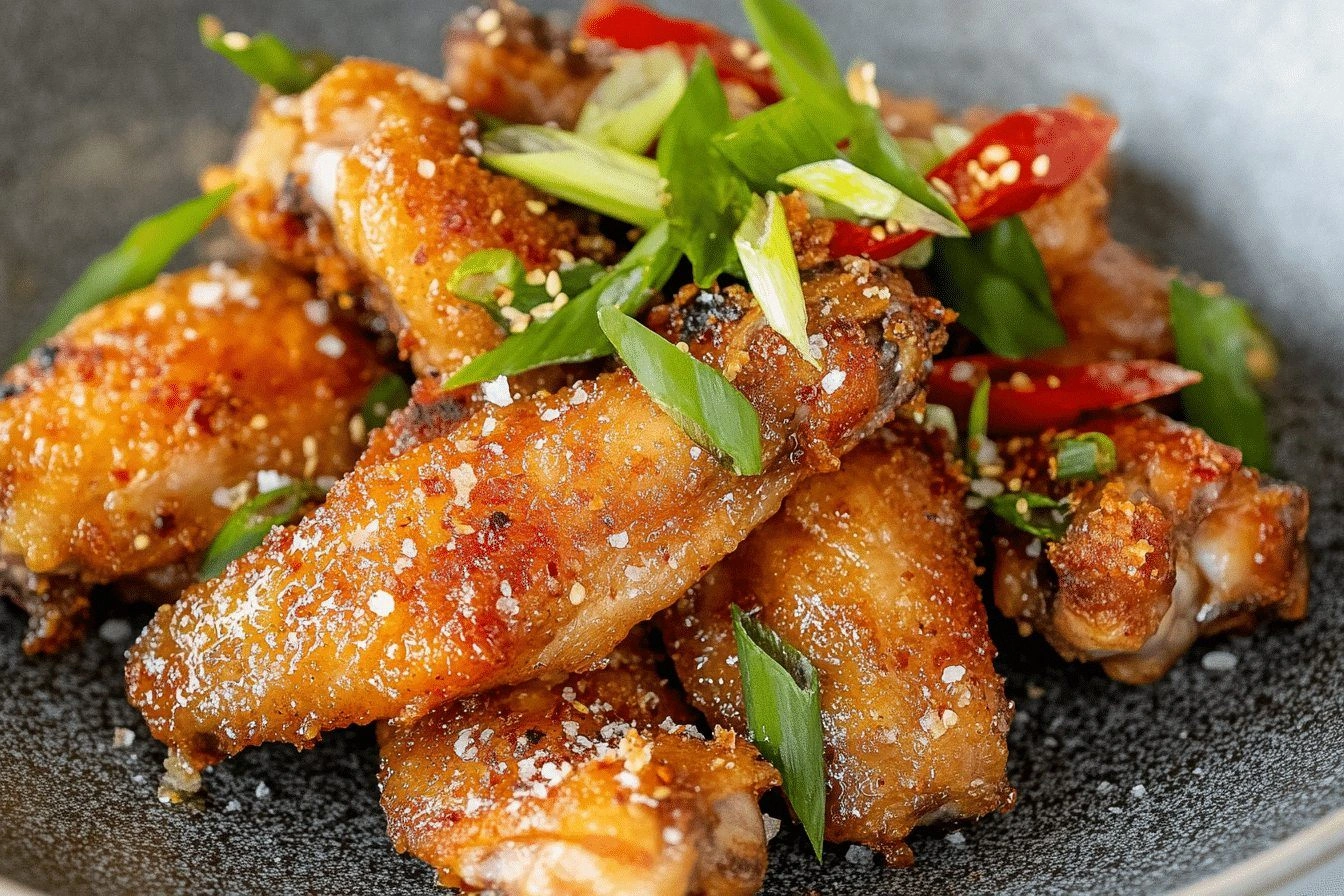
Picture yourself pulling a tray of golden‑brown wings from the fryer, the skin crackling like thin ice under a warm sun, and the scent of toasted pepper dancing in the air. The first bite delivers a crunch that shatters with a satisfying snap, followed by a burst of salty, peppery goodness that tingles the palate and leaves a lingering warmth that’s just enough to keep you reaching for another. Most recipes get this completely wrong, either drowning the wings in sauce or leaving them bland and soggy. This version, however, balances the crisp exterior with a delicate coating of cornstarch that locks in juiciness while the seasoning clings perfectly to every ridge.
What truly sets this dish apart is a tiny, unexpected trick: a quick dusting of potato starch after the initial fry, followed by a second flash‑fry that creates a double‑crisp layer. It’s the culinary equivalent of a double‑espresso shot — a boost that turns good into legendary. I dare you to taste this and not go back for seconds; the combination of texture, flavor, and that subtle heat will have you questioning every other chicken wing you’ve ever had. Okay, ready for the game‑changer? Let me walk you through every single step — by the end, you’ll wonder how you ever made it any other way.
What Makes This Version Stand Out
- Flavor Explosion: The marriage of white pepper and garlic creates a depth that feels both familiar and exotic, while the chili flakes add a controlled heat that tingles without overwhelming.
- Texture Mastery: A double‑fry technique yields a crust that shatters like thin ice, yet the meat inside stays succulent and juicy, delivering the perfect bite‑contrast.
- Simplicity: With just eight core ingredients, this recipe is approachable for beginners yet sophisticated enough to impress seasoned foodies.
- Ingredient Quality: Fresh, thawed wings and high‑quality cornstarch are the unsung heroes; they form the foundation that lets the seasoning cling like a second skin.
- Crowd Reaction: Served hot, these wings become the star of any gathering, often disappearing faster than you can say “more please.”
- Make‑Ahead Potential: You can fry the wings ahead of time, store them, and give them a quick re‑crisp in the oven, keeping the flavor intact for later parties.
- Versatility: Swap chili flakes for fresh chilies, or add a splash of soy sauce for an Asian‑twist that still respects the core flavor profile.
- Cooking Method: Using a thermometer to maintain oil at the perfect 350°F ensures that each wing cooks evenly without absorbing excess oil.
Alright, let's break down exactly what goes into this masterpiece...
Inside the Ingredient List
The Flavor Base
Garlic cloves, minced to a fine paste, are the aromatic backbone of this dish. Their sweet, caramelized notes emerge as the oil heats, creating a fragrant foundation that makes your kitchen feel like a bustling street market in Guangzhou. If you skip the garlic, you lose that depth and the wings can taste one‑dimensional, like a movie missing its soundtrack. For a milder profile, you can roast the garlic first; the sweetness intensifies, adding a subtle caramel edge. Tip: Use a garlic press for a uniform mince that distributes evenly.
The Texture Crew
Cornstarch or potato starch is the secret weapon that gives these wings their signature crunch. When tossed in a thin layer, the starch gelatinizes upon contact with hot oil, forming a protective shell that locks in moisture while creating a feather‑light crust. Skipping this step results in soggy wings that absorb oil like a sponge, ruining both texture and flavor. If you only have all‑purpose flour, you can blend it with a bit of rice flour to mimic the lightness of cornstarch. Pro tip: Let the coated wings rest for 10 minutes before frying; the starch adheres better, preventing it from falling off.
The Unexpected Star
White pepper, often overlooked in favor of black pepper, brings an earthy, slightly floral heat that pairs beautifully with the salt and chili flakes. Its finer particles stick to the coating, ensuring every bite delivers that subtle kick without overwhelming the palate. If you substitute black pepper, you’ll notice a sharper, more pungent flavor that can dominate the delicate balance we’re after. For a nuanced twist, try a pinch of Sichuan peppercorns for a tingling, numbing sensation that adds a layer of complexity. Remember: White pepper loses its potency quickly, so keep it in an airtight container.
The Final Flourish
Green onions or scallions, sliced thin, provide a fresh, bright finish that cuts through the richness of the fried wings. Their mild onion flavor adds a pop of color and a slight crunch that elevates the overall experience. If omitted, the dish can feel heavy after a few bites. You can also experiment with cilantro for a citrusy lift or toasted sesame seeds for an extra nutty note. Selection tip: Choose scallions with firm white bases and vibrant green tops for the best texture and flavor.
Everything's prepped? Good. Let's get into the real action...
The Method — Step by Step
Start by patting the chicken wings dry with paper towels; this step is crucial because any residual moisture will steam the coating instead of crisping it. Once dry, place the wings in a large bowl and sprinkle with the measured salt and white pepper, tossing until each piece is evenly seasoned. I dare you to taste a raw wing at this stage — the seasoning should already be evident, a subtle hint of the flavor explosion to come. Let the wings sit for five minutes; this brief rest allows the salt to draw out a little moisture, which will later help the starch adhere better.
While the wings rest, whisk together the cornstarch (or potato starch) with a pinch of additional salt in a shallow dish. The starch should be loosely packed, not compacted, to ensure an even coating. Dredge each wing in the starch, shaking off excess; you want just enough to form a whisper‑thin veil. This is the moment where the magic begins — the starch will turn into a golden armor once it meets the hot oil. Watch Out: If you over‑coat, the wings will become gummy rather than crisp.
Heat vegetable oil in a deep, heavy‑bottomed pot or wok to 350°F (175°C). Use a thermometer; maintaining the exact temperature is key because too low and the wings will soak up oil, too high and the coating will burn before the meat cooks through. Test the oil with a single wing: it should sizzle immediately and rise to the surface within seconds. As the oil stabilizes, carefully lower a few wings at a time, ensuring they don’t crowd the pot.
Fry the wings for 4–5 minutes, or until they turn a pale golden color and begin to firm up. During this first fry, the interior cooks gently while the outer starch forms a light crust. Use a slotted spoon to remove the wings and let them drain on a paper‑towel‑lined tray. This “pre‑fry” step is essential for that double‑crisp texture we’re after.
Increase the oil temperature to 375°F (190°C) for the second fry. This higher heat will instantly brown the pre‑cooked coating, creating that signature snap. Return the wings to the oil in batches, frying for an additional 2–3 minutes until they achieve a deep, amber hue that glistens like polished mahogany. The aroma at this stage is intoxicating — a blend of toasted pepper, garlic, and a whisper of chili that fills the kitchen.
While the wings finish their second fry, mince the garlic cloves and slice the green onions. In a separate hot skillet, add a splash of oil, then toss in the garlic, letting it sizzle for about 20 seconds until fragrant but not browned. Add the dried chili flakes (or fresh chopped chilies) and stir‑fry for another 10 seconds to release their oils. This quick aromatics infusion is pure magic — the heat lifts the flavors, turning them into a shimmering veil that will coat the wings.
Drain the fried wings on a clean rack, then immediately transfer them to the skillet with the garlic‑chili mixture. Toss vigorously, ensuring every wing is cloaked in the fragrant oil, pepper, and chili specks. Finish with a generous sprinkle of sliced green onions, giving the dish a burst of fresh color and a mild onion bite that balances the heat. Serve immediately on a platter, letting the steam rise and the scent entice your guests.
That's it — you did it. But hold on, I've got a few more tricks that'll take this to another level...
Insider Tricks for Flawless Results
The Temperature Rule Nobody Follows
Most home cooks set the oil to “medium‑high” and hope for the best, but the real secret lies in precise temperature control. Using a deep‑fat thermometer, keep the oil at 350°F for the first fry and bump it up to 375°F for the second. This two‑stage approach cooks the meat gently first, then creates that rapid, high‑heat crust that shatters like thin ice. I once tried to skip the temperature check and ended up with soggy wings that tasted like oil‑soaked cardboard. Trust me, a few seconds of monitoring make the difference between a restaurant‑quality bite and a kitchen disappointment.
Why Your Nose Knows Best
Your sense of smell is a far more reliable indicator than a timer when it comes to frying. When the oil reaches the right heat, you’ll hear a steady, confident sizzle that sounds like a whispering wind. If the sizzle sounds weak or erratic, the oil is too cool; if it hisses aggressively, you’re on the brink of burning. I’ve learned to pause and listen; the moment the first wing hits the oil and the sizzle steadies, I know the temperature is perfect. This auditory cue saves you from over‑cooking and ensures each wing gets that golden, crackling finish.
The 5‑Minute Rest That Changes Everything
After the first fry, let the wings rest on a cooling rack for exactly five minutes. This brief pause allows the steam inside the meat to redistribute, keeping the interior juicy while the outer starch sets. Skipping this rest leads to a soggy coating that collapses under the second fry. Think of it as a mini‑marination in your own juices, a secret step that most recipes overlook. If you’re in a hurry, set a timer; the patience pays off in every crunchy bite.
The Garlic‑First Technique
Instead of tossing garlic directly into the oil with the wings, I first fry it gently in a separate pan. This prevents the garlic from burning, which would introduce a bitter note that masks the pepper’s subtle earthiness. The quick sauté releases aromatic oils that cling to the wings during the final toss, ensuring each bite carries that sweet, caramelized garlic flavor. A friend once skipped this step and complained the wings tasted “flat”; the difference is night and day.
Seasoning at the End, Not the Beginning
While we season the wings before coating, the final dash of green onions and an extra pinch of salt after the toss is what truly elevates the dish. The fresh scallions add a crisp, bright contrast to the deep, fried flavors, while a pinch of sea salt awakens the palate. This finishing touch is the culinary equivalent of a final brushstroke on a painting — it brings all the colors together. I always taste a wing at the end and adjust the salt if needed; a well‑balanced finish makes the difference between “good” and “mind‑blowing.”
Creative Twists and Variations
This recipe is a playground. Here are some of my favorite ways to switch things up:
Citrus‑Zest Surprise
Add the zest of one lemon or lime to the starch mixture before coating. The citrus oils infuse the crust with a bright, aromatic pop that cuts through the richness, making it perfect for summer barbecues. Garnish with a sprinkle of extra zest after frying for an eye‑catching finish.
Sesame‑Soy Glaze
After the final toss, drizzle a mixture of soy sauce, toasted sesame oil, and a touch of honey over the wings. The sweet‑savory glaze adds depth and a glossy sheen, turning the dish into an Asian‑style appetizer that pairs wonderfully with a cold beer.
Spicy Sichuan Kick
Swap the dried chili flakes for Sichuan peppercorns and a dash of doubanjiang (fermented bean paste). The numbing heat of Sichuan peppercorns combined with the umami of doubanjiang creates a bold, tongue‑tingling experience that will wow spice lovers.
Herb‑Infused Crunch
Mix finely chopped rosemary, thyme, and a pinch of smoked paprika into the starch coating. The herbs infuse the crust with earthy aromatics, while the smoked paprika adds a subtle, smoky undertone that feels like a backyard grill.
Cheesy Overload
Just before the second fry, sprinkle a thin layer of grated Parmesan over the wings and let it melt into a crispy, cheesy crust. The umami richness of the cheese adds a decadent twist that’s perfect for indulgent game nights.
Storing and Bringing It Back to Life
Fridge Storage
Allow the wings to cool completely, then place them in an airtight container lined with a paper towel to absorb excess oil. Store in the refrigerator for up to three days. When ready to serve, reheat in a preheated oven at 375°F for 8–10 minutes, or pop them under a broiler for a quick crisp.
Freezer Friendly
For longer storage, arrange the cooled wings on a parchment‑lined tray and freeze until solid, then transfer to a zip‑top bag. They’ll keep for up to two months. To revive, bake from frozen at 400°F for 15–18 minutes, turning halfway, and finish with a quick 2‑minute blast of high heat for that signature crunch.
Best Reheating Method
The secret to reheating without losing crispness is a splash of water in the pan before you re‑fry or a short stint in a hot oven with a metal rack. The water creates steam that re‑hydrates the meat, while the high heat quickly reforms the crust. Avoid microwaving; it makes the coating rubbery and soggy.