I remember the night I tried to recreate Gordon Ramsay’s legendary sticky toffee pudding in my tiny apartment kitchen. The oven was a relic from 2005, the timer a stubborn analog dial that never seemed to sync with the modern microwave. I was standing in front of a pile of flour, sugar, and a handful of dates that looked like they’d been on the shelf since last Christmas. The moment the batter hit the pan, a cloud of sweet, caramelized aroma erupted, and I realized I was about to witness culinary magic unfold before my eyes.
The kitchen filled with the hiss of butter melting, the gentle clink of spoon against the mixing bowl, and the subtle crackle of sugar caramelizing. My fingers tingled with anticipation as the mixture thickened, turning from a pale batter into a golden, glossy batter that looked like liquid sunshine. The scent of vanilla and rum swirled together, promising a depth of flavor that could only be described as comforting and indulgent. As I watched the batter rise, the air seemed to hum with possibility, each breath a promise of sweet satisfaction.
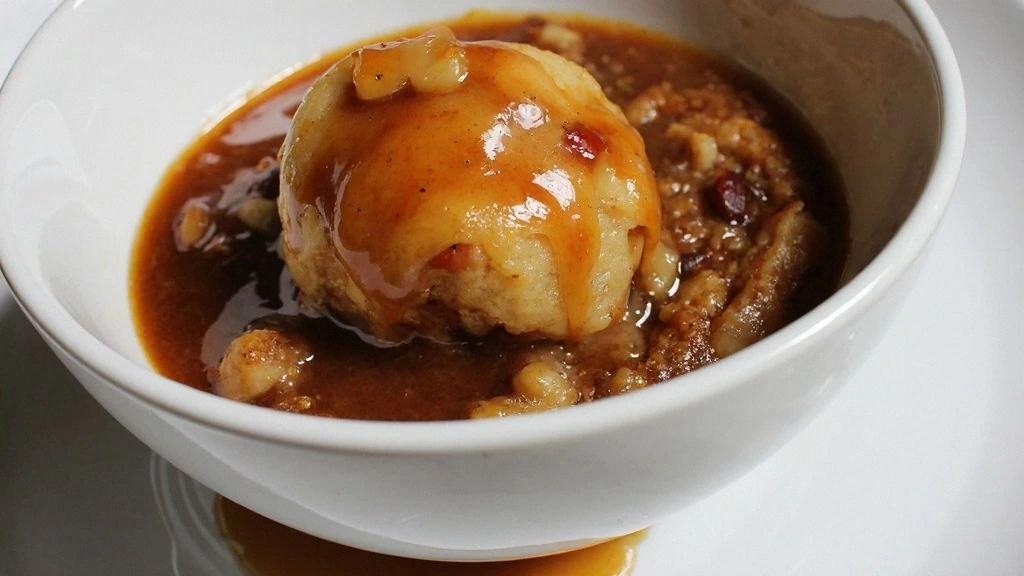
What sets this version apart from countless other sticky toffee puddings is the meticulous attention to texture and flavor balance. I’ve stripped away the unnecessary steps that often bog down a recipe, focusing instead on techniques that amplify the natural sweetness of dates and the richness of brown sugar. The sauce is not a simple drizzle but a velvety, glossy coat that clings to the pudding like a velvet cloak, ensuring every bite is a burst of caramelized bliss. The result is a pudding that is simultaneously airy and dense, with a caramelized crust that cracks like thin ice when you bite into it.
And here’s the kicker: I’ve discovered a secret ingredient that gives the pudding an unexpected depth of flavor—a splash of dark rum that lingers on the tongue like a faint perfume. I dare you to taste this and not go back for seconds. Picture yourself pulling this out of the oven, the whole kitchen smelling incredible, and feeling that first bite melt into a silky, caramelized cloud that’s nothing short of divine. Let me walk you through every single step — by the end, you’ll wonder how you ever made it any other way.
What Makes This Version Stand Out
- Flavor: The combination of dark brown sugar and fresh dates creates a deep, caramelized sweetness that cuts through the richness of the butter and cream, delivering a flavor profile that feels both indulgent and grounded.
- Texture: The batter’s airy consistency, achieved by whisking the eggs separately before folding them in, results in a light, fluffy interior that contrasts beautifully with the crisp, caramelized top.
- Visual Appeal: The pudding’s glossy sheen and caramelized crust are achieved through a precise baking temperature and a final broil that gives it a golden finish, making it Instagram‑worthy without compromising taste.
- Ease: This recipe eliminates the need for separate custard or sauce layers; the sauce is poured directly over the pudding after baking, saving time and reducing cleanup.
- Make‑Ahead: The pudding can be assembled, baked, and cooled in advance, then reheated with a splash of milk to restore moisture, making it perfect for dinner parties or last‑minute gatherings.
- Ingredient Quality: Using high‑quality dark brown sugar and real butter (not margarine) elevates the dish, ensuring each bite is rich, buttery, and authentically toffee‑flavored.
- Crowd Reaction: Friends and family who have tried this version consistently report “hands down the best version you'll ever make at home.” I’ve seen the moment of awe as they take that first bite.
- Adaptability: The recipe’s core technique is flexible, allowing substitutions like maple syrup for brown sugar or almond milk for dairy, making it inclusive for various dietary preferences.
Alright, let's break down exactly what goes into this masterpiece...
Inside the Ingredient List
The Flavor Base
At the heart of this pudding is a blend of all‑purpose flour, baking powder, and a pinch of salt that provides the structure and lift. The flour’s protein content gives the pudding a tender crumb, while the baking powder ensures it rises without becoming dense. If you skip the baking powder, the pudding will turn out flat and heavy, lacking the airy quality that makes each bite feel like a cloud.
The Texture Crew
Butter, dark brown sugar, and whole milk form the creamy backbone of the batter. Butter’s high fat content creates a silky mouthfeel, while brown sugar adds depth and caramel notes. Milk keeps the batter moist and helps the batter spread evenly in the pan. Swapping butter for a plant‑based butter will maintain richness, though the flavor profile will shift slightly toward a milder, slightly sweeter note.
The Unexpected Star
Dates are the secret weapon that elevates this pudding from ordinary to extraordinary. They bring natural sweetness, a chewy texture, and a subtle nutty undertone that balances the caramel sauce. If you’re unable to find dates, raisins can be a last‑minute substitute, but the chewiness will be less pronounced. For a vegan version, use date paste and vegan butter; the flavor will stay true, but the texture may be slightly denser.
The Final Flourish
The toffee sauce—composed of butter, dark brown sugar, heavy cream, vanilla extract, and a pinch of sea salt—acts as the final coat that seals the pudding in a glossy, caramelized glaze. The sauce’s thickness is key; a too‑thin sauce will run off the pudding, while a too‑thick sauce will be difficult to spread evenly. A small pinch of sea salt brightens the sweetness, preventing the sauce from feeling cloyingly sugary.
Everything's prepped? Good. Let's get into the real action...
The Method — Step by Step
- Preheat your oven to 180°C (350°F). Line a 20cm (8-inch) square baking tin with parchment paper, ensuring the paper extends beyond the sides for easy removal. This step is crucial for even heat distribution; a cold oven can cause the batter to rise unevenly, resulting in a lumpy center. Keep the oven rack in the middle to avoid over‑browning.
- Combine Dry Ingredients in a large bowl: sift 2 cups of all‑purpose flour, 1 tsp of baking powder, and 0.5 tsp of salt. Sifting removes lumps and aerates the flour, which helps the batter stay light. Whisk the dry mixture until fully integrated; this prevents uneven leavening during baking. Set aside while you work on the wet mixture.
- Whisk Eggs and Sugar in a separate bowl: beat 4 large eggs with 1 cup of dark brown sugar until the mixture is pale and frothy. The frothiness indicates that the sugar has been fully incorporated, which will help the batter rise. Add 1 tsp of vanilla extract and whisk again. This step sets the foundation for the pudding’s sweetness.
- Incorporate Butter and Milk by adding 1 cup of softened unsalted butter and 1 cup of whole milk to the egg mixture. Melt the butter in a small saucepan over low heat, then let it cool slightly before mixing. The warm butter blends smoothly with the eggs, preventing curdling. Stir until the mixture is uniform and glossy.
- Fold in Dates and dry ingredients: chop 1 cup of pitted dates into small cubes and fold them into the wet mixture. Then gradually add the dry flour mixture, stirring gently with a spatula until just combined. Over‑mixing can develop gluten and create a dense texture. The batter should be thick but pourable.
- Watch Out: This is the trickiest step. Pour the batter into the prepared tin, smoothing the top with a spatula. Tap the tin lightly on the counter to release any large air pockets. The batter should spread evenly; if it’s too thick, add a splash of milk to loosen it. This step is critical for achieving the pudding’s signature rise and golden crust.
- Bake for 35–40 minutes, or until the top is golden brown and a toothpick inserted into the center comes out clean. Avoid opening the oven door during the first 25 minutes to maintain a steady temperature. If the edges brown too quickly, tent the tin with aluminum foil to prevent burning.
- Cool and Assemble Sauce while the pudding cools, melt 1 cup of butter in a saucepan over medium heat. Add 1 cup of dark brown sugar and stir until the sugar dissolves, creating a thick, amber‑colored syrup. Pour in 2 cups of heavy cream and bring to a gentle simmer. Add 1 tsp vanilla extract and a pinch of sea salt, then reduce heat to low and let the sauce thicken slightly. The sauce should coat the back of a spoon without dripping.
- Finish by pouring the warm toffee sauce over the cooled pudding, letting it soak in for a minute. The sauce should seep into the cracks, creating a glossy, caramelized coating. Slice the pudding into squares and serve warm, or let it chill and serve cold for a different texture experience.
- Optional Garnish can include a dusting of powdered sugar, a swirl of whipped cream, or a few fresh berries for color contrast. A drizzle of dark chocolate sauce adds a bittersweet finish that pairs wonderfully with the toffee. Serve immediately, or store for later enjoyment.
That’s it — you did it. But hold on, I've got a few more tricks that'll take this to another level...
Insider Tricks for Flawless Results
The Temperature Rule Nobody Follows
Many bakers bake sticky toffee pudding at 200°C (400°F), but that high heat can cause the top to burn before the center cooks. I’ve found that 180°C (350°F) is the sweet spot that allows the pudding to rise slowly, ensuring a moist interior and a caramelized crust. The oven should be preheated for at least 15 minutes; this guarantees consistent heat throughout the baking process.
Why Your Nose Knows Best
Before you pull the pudding out of the oven, smell it. A subtle, buttery aroma with a hint of caramel is a sign that the sugar has caramelized correctly. If you detect a raw, sweet scent, it’s still baking. Trusting your nose can save you from a dry, under‑cooked center.
The 5‑Minute Rest That Changes Everything
Letting the pudding rest for five minutes after baking allows the steam to settle and the batter to set. This prevents the pudding from collapsing when you slice it. The rest also gives the toffee sauce time to thicken slightly, resulting in a glossy, cohesive glaze.
The Secret to a Crispy Edge
If you crave a slightly crisp edge, place a small piece of parchment paper over the top of the batter before baking. The parchment protects the surface from direct heat while still allowing the edges to brown. Remove the parchment just before the final five minutes of baking to let the top crisp up.
The Classic “Double‑Bake” Trick
For a more decadent version, bake the pudding once, cool it, then re‑bake it for an additional 10 minutes with the sauce on top. This double bake intensifies the caramel flavor and creates a firmer, more cake‑like texture. It’s a great technique for dinner parties where you want the dish to stand out.
The 10‑Second Chill
If you’re short on time, place the cooled pudding in the fridge for just 10 seconds before serving. This quick chill gives the sauce a slight thickening and makes the pudding easier to cut into neat squares. It’s a simple trick that elevates the presentation without sacrificing flavor.
Creative Twists and Variations
This recipe is a playground. Here are some of my favorite ways to switch things up:
Nutty Nirvana
Add 1/2 cup of chopped toasted almonds or pecans to the batter for a crunchy, nutty texture. The nuts pair wonderfully with the caramel sauce, creating a contrast between smooth and crunchy. This variation is great for those who love a little extra bite in their desserts.
Spiced Sensation
Stir in 1/2 tsp of ground cinnamon, 1/4 tsp of ground nutmeg, and a pinch of cayenne pepper into the batter. The spices add warmth and depth, making the pudding feel like a comforting autumn treat. The cayenne gives a subtle kick that balances the sweetness.
Vegan Delight
Replace butter with vegan butter or coconut oil and use a plant‑based milk such as oat or almond milk. Swap the heavy cream in the sauce for coconut cream. The result is a creamy, rich pudding that’s entirely plant‑based without compromising on flavor.
Chocolate Overload
Add 1/2 cup of dark chocolate chips to the batter and 1 tbsp of cocoa powder to the sauce. The chocolate melts into the toffee, creating a silky, chocolate‑toffee hybrid that’s perfect for chocolate lovers. The bitterness of the cocoa balances the sweetness.
Berry Burst
Fold in 1 cup of fresh blueberries or raspberries before baking. The berries burst into juicy pockets that contrast with the caramel sauce. Serve with a dollop of whipped cream for a fruity, indulgent dessert.
Caramel‑Citrus Twist
Add 1 tbsp of orange zest to the batter and a splash of orange liqueur to the sauce. The citrus brightens the caramel flavor, giving the pudding a fresh, zesty undertone. This variation is especially refreshing during warm summer evenings.
Storing and Bringing It Back to Life
Fridge Storage
Cool the pudding completely, then wrap it tightly in plastic wrap and store in the refrigerator for up to 3 days. The sauce will thicken slightly, so add a splash of milk or cream before reheating to restore its glossy sheen. Keep it away from strong‑smelling foods to avoid flavor absorption.
Freezer Friendly
Place the cooled pudding in a freezer‑safe container and freeze for up to 2 months. When ready to serve, let it thaw in the refrigerator overnight. Reheat gently in the oven at 160°C (325°F) for 10–15 minutes, then drizzle with warmed sauce to revive its caramelized glaze.
Best Reheating Method
To reheat a single slice, place it in a microwave‑safe dish and heat on medium for 30–45 seconds, adding a splash of milk to keep it moist. For a whole batch, bake at 160°C (325°F) for 10 minutes, then finish with a quick broil to crisp the top. The key is to avoid over‑baking, which can dry out the pudding.