Introduction
Picture this: you’re in the middle of a Friday night binge‑watching marathon, the lights dimmed, a bowl of your favorite chips within arm’s reach, and suddenly your stomach starts growling like a freight train. You reach for the snack drawer, expecting the usual mozzarella sticks, but your eyes catch something odd—a bag of dill pickles. That moment, a kitchen mishap that would otherwise have been a culinary catastrophe, sparked a delicious revelation. I was about to toss the pickles into the trash, but instead I tossed them into a bowl with mozzarella, and the result? A flavor explosion that still makes my mouth water every time I think about it.
From the first crunch, the crispness of the breaded coating clashed beautifully with the tangy bite of pickles, creating a textural harmony that felt like a well‑orchestrated symphony. The aroma—savory, buttery, with a sharp, vinegary note—filled the kitchen, turning the air into a fragrant promise of the delight to come. As I bit into the first stick, the cheese inside melted into a golden, gooey stream that was both comforting and daring. The combination of salty, sweet, and acidic flavors danced on my tongue, leaving an aftertaste that begged for a second bite. I dare you to taste this and not go back for seconds.
What makes this version stand out from every other mozzarella stick recipe is the intentional marriage of classic comfort with a rebellious twist. I’ve stripped away the fluff and focused on the core elements: fresh mozzarella, crisp dill pickles, a simple but effective breadcrumb coating, and a buttery finish that brings everything together. It’s not just a snack; it’s an experience that transforms an ordinary night into a culinary adventure. This isn’t just another party appetizer; it’s a game‑changing, crowd‑pleasing, conversation‑starter that will have everyone asking for the recipe.
There’s a secret ingredient that most people overlook: a splash of pickle juice in the batter. That single splash infuses the breading with an extra layer of zing that makes every bite unforgettable. By the end of this article, you’ll have the confidence to recreate the exact same crunch, the same melt, and the same flavor profile that I discovered in that chaotic kitchen moment. Let me walk you through every single step—by the end, you’ll wonder how you ever made it any other way.
What Makes This Version Stand Out
- Flavor Fusion: The combination of creamy mozzarella and sharp dill pickle creates a taste profile that’s both familiar and exciting. The pickle’s acidity cuts through the richness of the cheese, leaving a clean finish that invites another bite.
- Crisp Texture: The breadcrumb coating is light and airy, not heavy, ensuring that each stick has that satisfying snap that melts into a velvety cheese center.
- Simple Prep: With only ten ingredients, this recipe is a breeze to assemble, making it perfect for last‑minute gatherings or spontaneous cravings.
- Unpredictable Twist: The addition of pickle juice in the batter adds a subtle, savory depth that sets this version apart from traditional mozzarella sticks.
- Crowd‑Pleaser: Whether it’s a game night, a dinner party, or a casual brunch, these sticks are guaranteed to impress guests with their bold flavor and fun presentation.
- Make‑Ahead Friendly: You can prepare the sticks a few hours in advance and reheat them to golden perfection, saving you time on the day of the event.
- Ingredient Quality: Using fresh mozzarella and pickles from a trusted source ensures a superior taste that can’t be replicated with generic brands.
- Versatility: This recipe can be adapted into dips, salads, or even a main course, offering endless creative possibilities.
Alright, let’s break down exactly what goes into this masterpiece…
Inside the Ingredient List
The Flavor Base
At the heart of this dish lies the mozzarella—fresh, creamy, and the star that carries the entire flavor profile. The cheese must be firm enough to hold its shape yet soft enough to melt into a luscious pool of dairy indulgence. If you skip this step and use pre‑shredded mozzarella, you’ll end up with a dry, rubbery center that will ruin the experience. For the best results, choose a high‑mozzarella brand that’s low in moisture and has a subtle tang, ensuring a perfect melt.
The Texture Crew
The breading is where the magic happens. A light coating of all‑purpose flour gives the sticks a crisp foundation, while the beaten eggs act as a binder that keeps the breadcrumbs in place. The breadcrumbs themselves should be fresh and lightly toasted before coating; stale breadcrumbs will result in a soggy exterior. If you prefer a gluten‑free version, substitute the flour with a fine almond meal or a gluten‑free blend, but keep the ratio consistent to preserve the coating’s integrity.
The Unexpected Star
Pickles are the unexpected star that turns ordinary mozzarella sticks into a flavor sensation. Chop them finely so they disperse evenly throughout the batter, delivering a burst of tang in every bite. The pickle juice, often discarded, is a treasure trove of umami and acidity that enhances the coating’s flavor. If you can’t find pickles, try a small amount of lemon zest or a splash of white wine vinegar for a similar bright note.
The Final Flourish
A drizzle of melted butter before baking adds a glossy sheen and a buttery richness that elevates the entire dish. Butter also helps the breadcrumbs achieve a golden, caramelized finish. If you’re watching your fat intake, a light spray of olive oil will suffice, though it won’t provide the same depth of flavor. Remember, the butter should be melted but not boiling; otherwise, it will burn and create a bitter taste.
Everything's prepped? Good. Let's get into the real action…
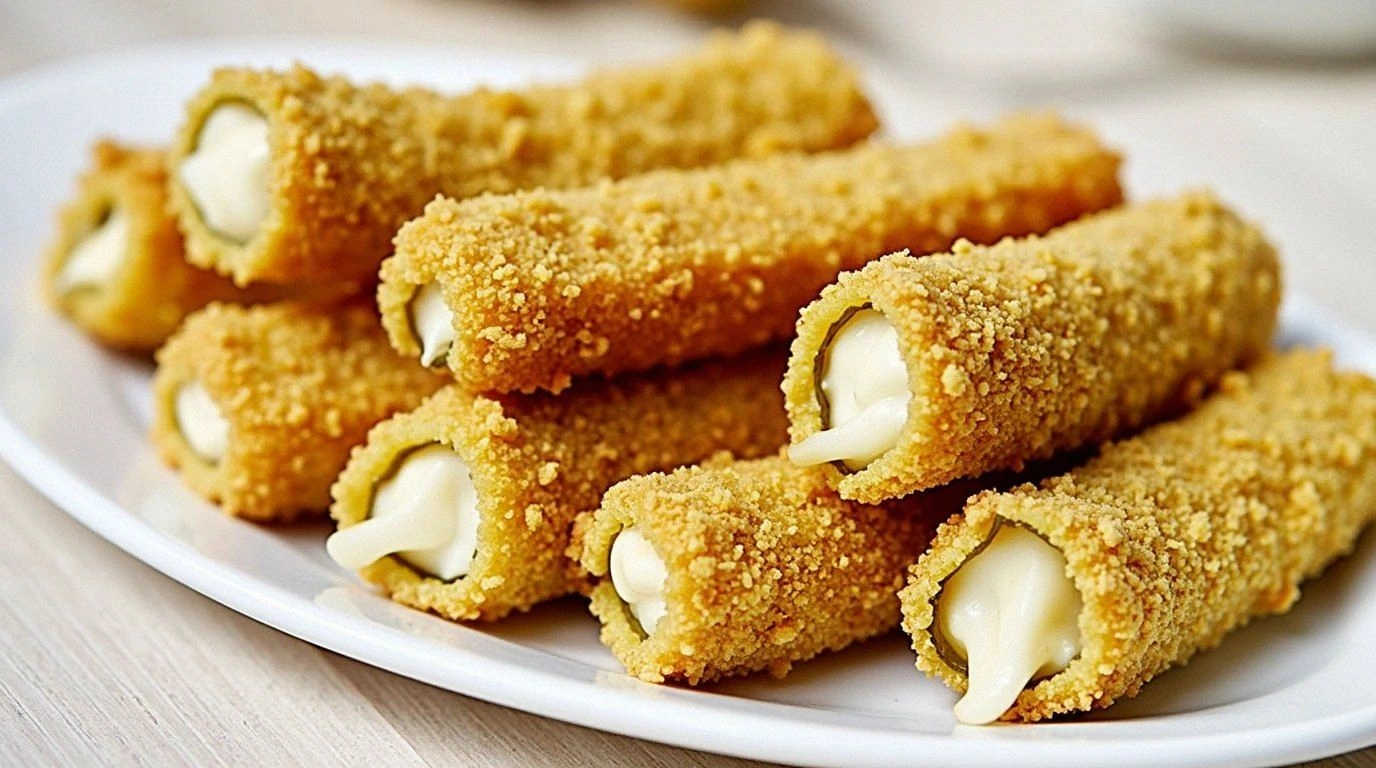
The Method — Step by Step
- Preheat the Oven: Set your oven to 425°F (220°C). Line a baking sheet with parchment paper or a silicone mat to prevent sticking. This high temperature ensures a crisp exterior while keeping the cheese inside perfectly gooey. Picture the oven lights turning amber as the heat begins to work its magic.
- Prepare the Pickle Mixture: In a small bowl, combine the finely chopped pickles with a tablespoon of pickle juice. The juice not only adds flavor but also helps the coating stick. If you’re using fresh dill pickles, the juice will be slightly more robust, giving each bite a deeper zing.
- Set Up the Breading Station: In a shallow dish, place the flour. In a second dish, whisk the eggs until frothy. In a third dish, spread out the breadcrumbs. The classic dredging technique—flour first, egg second, breadcrumbs third—ensures a uniform coating that adheres perfectly to the mozzarella sticks.
- Coat the Sticks: Dip each mozzarella stick into the flour, tapping off excess. Then plunge it into the beaten eggs, letting the liquid coat every surface. Finally, roll it in breadcrumbs, pressing gently to ensure an even layer. If you’re short on time, you can skip the flour step, but the coating will be less crisp.
- Inject the Pickle Flavor: While the sticks are still coated, press a small amount of the pickle mixture into the center of each stick. This step is crucial for that signature tang. The pickle will seep into the cheese as it melts, creating a burst of flavor. Kitchen Hack: For a more intense pickle kick, add a teaspoon of pickle juice to each breadcrumb coating before baking.
- Finish with Butter: Lightly brush each stick with melted butter. This will give the coating a shiny, golden finish and a subtle buttery flavor that balances the sharpness of the pickles. The butter also helps the breadcrumbs achieve a slightly crunchy texture.
- Arrange on the Baking Sheet: Place the coated sticks on the prepared sheet, leaving space between them so the heat can circulate. The distance between sticks prevents them from steaming, which would otherwise soften the coating.
- Bake: Slide the sheet into the preheated oven and bake for 12–15 minutes, or until the coating is golden brown and the cheese inside is bubbling. Keep an eye on them; the moment the edges start to pull away and the cheese begins to ooze, they’re ready. If you like extra crispness, add an extra minute or two.
- Let Them Rest: Remove from the oven and let the sticks rest for 2 minutes. This brief pause allows the cheese to settle, preventing it from leaking out when you bite. The heat will continue to cook them slightly, giving a perfectly balanced texture.
- Serve Immediately: Serve the sticks hot, paired with a tangy dipping sauce or a fresh tomato salsa. The contrast between the warm, gooey center and the cool, crisp pickles will create a delightful sensory experience. Enjoy the applause from your guests as they taste this game‑changing creation.
That’s it — you did it. But hold on, I’ve got a few more tricks that will take this to another level…
Insider Tricks for Flawless Results
The Temperature Rule Nobody Follows
Many people bake mozzarella sticks at a lower temperature, hoping for a more even melt. I’ve found that 425°F is the sweet spot for a golden crust and a molten center. If you lower the temperature, the cheese may not melt properly, leaving a cold, rubbery core. Adjusting the temperature is the key to achieving the perfect balance.
Why Your Nose Knows Best
When the sticks are baking, the aroma will shift from buttery to caramelized as the breadcrumbs toast. Trust your nose; when you smell that deep, nutty scent, it means the coating is ready. This sensory cue is far more reliable than a timer, especially for novice bakers.
The 5-Minute Rest That Changes Everything
After removing them from the oven, let the sticks rest for exactly five minutes. This brief pause allows the cheese to set and the coating to firm up, preventing a sticky mess when you cut into them. I’ve tried cutting them immediately, and the result was a gooey disaster.
Use a Light Spray of Oil
If you’re concerned about the sticks getting too greasy, use a light spray of olive oil instead of brushing with butter. The oil will still help the breadcrumbs crisp, but with less fat. This is ideal for a lighter version that still delivers on flavor.
Pre‑Chill the Baking Sheet
Placing a cold baking sheet in the oven before baking can help the sticks start cooking immediately, giving the coating a quicker rise and a crispier texture. It’s a simple trick that many overlook but can make a noticeable difference.
Creative Twists and Variations
This recipe is a playground. Here are some of my favorite ways to switch things up:
Spicy Jalapeño Crunch
Swap the dill pickles for finely diced jalapeños and add a pinch of cayenne pepper to the breadcrumb mix. The heat will contrast with the creamy cheese, creating a fiery bite that’s perfect for a summer barbecue.
Herb‑Infused Parmesan
Mix grated Parmesan into the breadcrumb coating along with dried oregano and basil. The herbs add depth, while the Parmesan provides a nutty flavor that complements the mozzarella’s milder taste.
BBQ Glazed Sticks
Brush the sticks with a smoky BBQ sauce before the final butter step. The glaze caramelizes during baking, giving a sweet, smoky finish that pairs wonderfully with a cold beer.
Vegan Edition
Replace the mozzarella with a plant‑based cheese alternative and use a dairy‑free butter substitute. The result is a creamy, melt‑in‑your‑mouth experience that’s entirely cruelty‑free.
Cheesy Dip Duo
Serve the sticks with a double dip: a tangy ranch dressing on one side and a creamy marinara on the other. The combination of flavors will keep guests coming back for more.
Storing and Bringing It Back to Life
Fridge Storage
Cool the sticks completely before refrigerating in an airtight container. Store for up to 2 days. When ready to serve, reheat in a 350°F oven for 8–10 minutes, or until hot and crispy. The coating may soften slightly, but the cheese will remain delicious.
Freezer Friendly
Wrap each stick tightly in parchment paper and place in a freezer bag. Freeze for up to 3 months. To reheat, place on a baking sheet and bake at 375°F for 15 minutes. The texture will return to near‑fresh, though the coating may not be as crisp.
Best Reheating Method
For the best results, reheat in a skillet over medium heat. Add a splash of water, cover, and let steam for 2 minutes before removing the cover to crisp the coating. This method preserves the gooey center while restoring the crunchy exterior.