Picture this: a late‑night kitchen, the fridge humming, and a stubborn craving for something that feels like a hug in a dish. I was halfway through a bowl of lukewarm pasta, staring at a half‑eaten pizza slice, when I remembered the old family recipe my grandma used to whisper about in the evenings—Classic Greek Moussaka. That moment turned into a culinary dare: I had to make a version that would make my taste buds shout, “This is hands down the best version you'll ever make at home.”
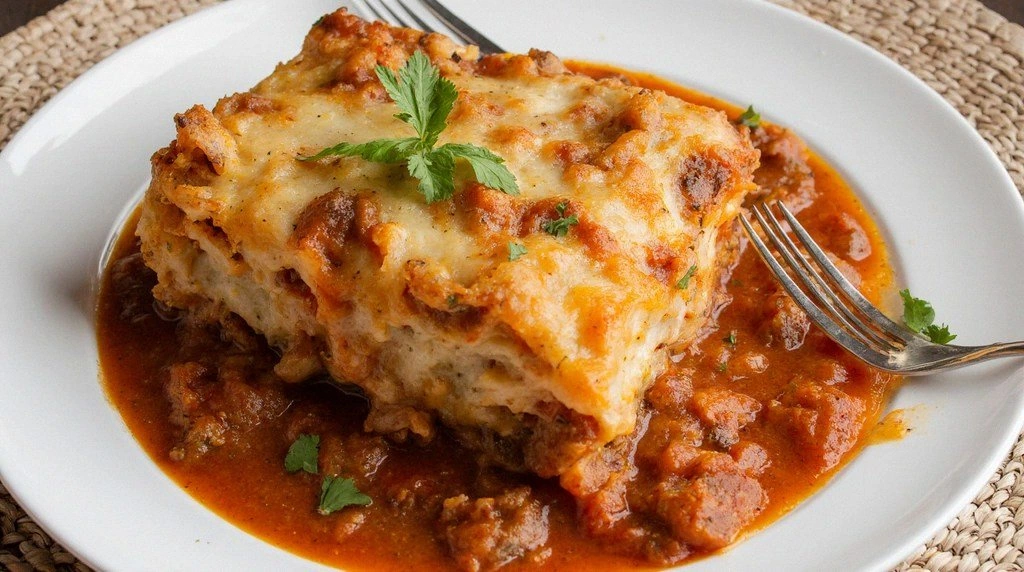
The first bite was a revelation. The eggplant slices, caramelized to a golden‑brown perfection, released a nutty aroma that mingled with the earthy scent of simmering ground lamb and the sharp, sweet perfume of tomatoes. The sauce, thick and velvety, clung to the layers like a silk scarf, while the béchamel on top bubbled and turned a golden crust that crackled when you cut into it. Each bite was a layered story—savory, slightly sweet, with a hint of citrus from the lemon zest in the béchamel, and a subtle warmth from cinnamon and allspice that lingered on the palate.
What sets this rendition apart is the harmony of textures and the precision of flavors. I used a blend of lamb and beef to balance richness with depth, and I added a splash of dry red wine to deglaze the pan, infusing the meat with a subtle depth that you can’t get from a simple tomato base. The béchamel isn’t just a white sauce; it’s enriched with butter, flour, milk, and a touch of nutmeg, finished with a generous layer of grated Kefalotyri and mozzarella that melts into a glossy, bubbly top. The result is a dish that feels both comforting and celebratory.
I’ll be honest—before I shared this recipe with friends, I ate half the batch before anyone else got a chance. I dare you to taste this and not go back for seconds. Picture yourself pulling the golden casserole out of the oven, the whole kitchen smelling incredible, and the first slice sliding out like a piece of art. Let me walk you through every single step—by the end, you’ll wonder how you ever made it any other way.
What Makes This Version Stand Out
- Flavor Depth: The combination of lamb and beef, deglazed with red wine, creates a savory base that’s richer than the classic tomato-only version.
- Texture Contrast: The eggplant is roasted to a silky caramelized finish, while the béchamel provides a creamy, almost buttery layer that melts into the meat.
- Ingredient Quality: Using fresh, locally sourced eggplant and high‑grade cheese elevates the dish from ordinary to extraordinary.
- Balanced Sweetness: The subtle addition of cinnamon and allspice, plus a dash of lemon zest in the béchamel, balances the richness with a bright finish.
- Make‑Ahead Friendly: Assemble the layers, chill, then bake—perfect for a weekday dinner or a weekend gathering.
- Crowd‑Pleaser: The familiar comfort of moussaka with a refined twist makes it a hit at family dinners, potlucks, and holiday feasts.
- Visual Appeal: The golden crust and layered presentation look as good as they taste, making it Instagram‑worthy.
Alright, let's break down exactly what goes into this masterpiece...
Inside the Ingredient List
The Flavor Base
The heart of this dish is the meat sauce, a symphony of lamb, beef, onion, garlic, and tomatoes. The lamb provides a robust, slightly gamey flavor, while the beef adds a subtle tenderness that balances the texture. When you sauté the onions and garlic, watch for that golden translucency; it’s a sign you’re building a strong flavor foundation. Skipping the wine would leave the sauce flat—wine adds acidity and depth, a secret ingredient that most recipes overlook.
If you’re vegetarian, you can replace the lamb and beef with a hearty mix of lentils and diced mushrooms. The earthy tones of lentils pair wonderfully with the tomato base, and mushrooms bring that meaty umami. Just be sure to cook the lentils until they’re tender but still hold their shape, and sauté the mushrooms until they’re golden brown before adding the tomatoes.
The Texture Crew
Eggplant is the star of the texture lineup. Choose medium‑sized eggplants that are firm, with a glossy skin. Slice them into 1/4‑inch thick rounds and roast at 400°F until they’re caramelized and tender. The roasting process brings out their natural sweetness and creates a silky interior that contrasts beautifully with the crispy edges. A pinch of sea salt during roasting helps draw out moisture, preventing a watery casserole.
Béchamel sauce is the creamy backbone that ties everything together. The flour and butter create a roux that thickens the milk, while eggs add richness and help the sauce set into a silky, glossy finish. Adding a pinch of nutmeg and lemon zest elevates the béchamel’s flavor profile, giving it a warm, aromatic lift that balances the savory layers beneath.
The Unexpected Star
Kefalotyri cheese, a Greek hard cheese with a sharp, salty bite, is a game‑changer. It melts into a golden crust that’s both crunchy and gooey, adding a savory depth that’s hard to find in typical béchamel. If you can’t find Kefalotyri, a firm Parmesan or a blend of Parmesan and mozzarella will work, though you’ll miss that distinct tangy note. The cheese’s high salt content also helps balance the sweetness of the tomato sauce.
A subtle hint of dried oregano and a bay leaf in the meat sauce lend a Mediterranean aroma that transports you straight to a Greek kitchen. These herbs are essential; they anchor the dish in its cultural roots. If you’re a fan of bold flavors, add a pinch of crushed red pepper flakes to give the sauce a gentle kick.
The Final Flourish
The finishing touch is the béchamel’s golden crust. After baking, let the casserole rest for 10 minutes; this allows the sauce to set and the flavors to meld. Sprinkle fresh parsley over the top for a burst of color and a hint of herbal freshness that cuts through the richness. The final garnish should look inviting, with a glossy sheen that signals it’s ready to be sliced.
Everything's prepped? Good. Let's get into the real action...
The Method — Step by Step
- Prep the Eggplant: Slice the eggplants into 1/4‑inch rounds. Sprinkle both sides with sea salt and let them sit for 15 minutes to draw out bitterness. Rinse, pat dry, and arrange them on a baking sheet lined with parchment. Roast at 400°F for 20 minutes, flipping halfway through, until golden and tender. The surface should look caramelized, and the interior should feel soft when pressed.
- Cook the Meat Sauce: Heat 2 tablespoons of olive oil in a large skillet over medium heat. Add the chopped onion and cook until translucent, about 5 minutes. Stir in the minced garlic and cook for another 30 seconds until fragrant. Add the ground lamb and beef; break it up with a spoon and cook until browned and no longer pink.
- Deglaze and Simmer: Pour in 1/2 cup of dry red wine, scraping up any brown bits from the pan. Let the wine reduce by half, then stir in the diced tomatoes, tomato paste, oregano, allspice, cinnamon, bay leaf, salt, and pepper. Reduce the heat to low, cover, and let simmer for 25 minutes, stirring occasionally. The sauce should thicken and develop a deep, rich color.
- Make the Béchamel: In a saucepan, melt 2 tablespoons of butter over medium heat. Whisk in 2 tablespoons of flour and cook for 1 minute, ensuring the mixture turns a light golden hue. Gradually whisk in 2 cups of milk, stirring constantly to avoid lumps. Cook until the sauce thickens, then remove from heat. Beat in 2 lightly beaten eggs, 1/4 cup grated Kefalotyri, 1/4 cup mozzarella, 1 tsp lemon zest, and a pinch of nutmeg. Season with salt and pepper to taste.
- Assemble the Layers: Grease a 9x13 inch baking dish with a little butter. Spread a thin layer of meat sauce across the bottom. Layer roasted eggplant slices over the sauce, slightly overlapping. Cover with another thin layer of meat sauce, then repeat the eggplant and sauce layers until you’ve used all the ingredients, finishing with a layer of eggplant. Pour the béchamel over the top, spreading it evenly.
- Bake to Perfection: Preheat the oven to 375°F. Bake the casserole for 30 minutes, or until the top is bubbling and the edges are pulling away from the sides of the dish. The aroma should fill the kitchen, making your stomach growl with anticipation.
- Rest and Serve: Remove from the oven and let the casserole rest for 10 minutes. This resting period allows the layers to set, making it easier to cut neat slices. Sprinkle fresh parsley over the top for a burst of color. Slice with a serrated knife, and serve hot, perhaps with a side of Greek salad or crusty bread.
- Optional Finish: For an extra touch, drizzle a thin line of extra‑virgin olive oil over the top before serving. The oil’s bright, fruity note will cut through the richness and add a sophisticated finish.
That's it — you did it. But hold on, I've got a few more tricks that'll take this to another level...
Insider Tricks for Flawless Results
The Temperature Rule Nobody Follows
Many cooks bake moussaka at too high a temperature, which can cause the top to brown too quickly while the interior remains undercooked. I always bake at 375°F, which allows the casserole to cook evenly and the béchamel to set without scorching. If you’re using a convection oven, reduce the temperature by 25°F to avoid over‑browning.
Why Your Nose Knows Best
Before you even lift the lid, trust the aroma. A properly simmered sauce will smell like warm, toasted tomatoes and spices. If it still smells raw, let it cook a little longer. The scent is a reliable indicator that the flavors have melded and the sauce has thickened.
The 5‑Minute Rest That Changes Everything
Letting the casserole rest after baking isn’t just for aesthetics; it’s crucial for texture. During the rest, the béchamel sets into a firm, slice‑able consistency, preventing it from sliding off the eggplant. Skipping this step often results in a mushy top that’s hard to serve.
The Secret Ingredient Swap
If you’re a dairy‑free friend, replace the milk with a plant‑based milk and use a dairy‑free cheese substitute for the béchamel. The result is a creamy, comforting dish that still honors the traditional flavors.
The Layering Order
Start with a thin base of meat sauce to anchor the dish. Then layer eggplant, sauce, and repeat. This order ensures the eggplant stays moist and the flavors mingle. Some recipes layer eggplant first, but that can make the dish soggy.
The Finishing Touch
A quick drizzle of olive oil and a sprinkle of fresh herbs before serving elevates the dish’s presentation and adds a fresh brightness that cuts through the richness. It’s a simple step that makes the casserole feel polished.
Creative Twists and Variations
This recipe is a playground. Here are some of my favorite ways to switch things up:
Mediterranean Veggie Moussaka
Swap the meat for a hearty mix of lentils and diced mushrooms. Add chopped zucchini and bell peppers for extra color and crunch. The result is a vegetarian version that still delivers the comforting layers and depth of flavor.
Spicy Red Pepper Moussaka
Introduce roasted red peppers into the meat sauce, and add a pinch of cayenne pepper or crushed red pepper flakes. The sweet heat pairs beautifully with the creamy béchamel, giving the dish an adventurous kick.
Cheesy Ricotta Moussaka
Replace the Kefalotyri with ricotta cheese for a lighter, milder top. The ricotta will melt into a silky, slightly sweet layer that contrasts with the savory meat sauce.
Herb‑Infused Moussaka
Boost the herb profile by adding fresh mint, dill, or basil to the béchamel. The aromatic herbs will add a fresh, bright note that cuts through the richness and makes the dish feel lighter.
Moussaka with a Crunchy Topping
Instead of a plain béchamel, sprinkle toasted breadcrumbs mixed with olive oil over the top before baking. The breadcrumbs will crisp up, adding a delightful crunch that contrasts with the creamy interior.
Storing and Bringing It Back to Life
Fridge Storage
Let the casserole cool to room temperature, then cover tightly with plastic wrap or foil. Store in the refrigerator for up to 3 days. When reheating, cover loosely to retain moisture.
Freezer Friendly
Wrap the casserole in plastic wrap, then place in a freezer bag. Freeze for up to 2 months. Thaw overnight in the refrigerator before reheating.
Best Reheating Method
Reheat in a preheated oven at 350°F for 20–25 minutes, or until heated through. Add a splash of water or milk before reheating to keep the béchamel from drying out. The dish will regain its creamy texture and aromatic appeal.