I was halfway through a chaotic dinner prep when the kitchen clock hit midnight and my fridge was a barren wasteland of tofu, soy sauce, and a single jar of hoisin that had seen better days. My friends had dared me to whip up something that would make them forget the blandness of last night's takeout, and I thought, why not create a steaming masterpiece that screams flavor? The moment I cracked the tofu block, the air filled with a faint, earthy aroma that hinted at the depth to come. I imagined the tofu soaking up the glossy, umami-rich sauce like a sponge, each bite bursting with a sweet‑spicy kick that would make your taste buds do a double‑tap. And that is exactly what this recipe delivers.
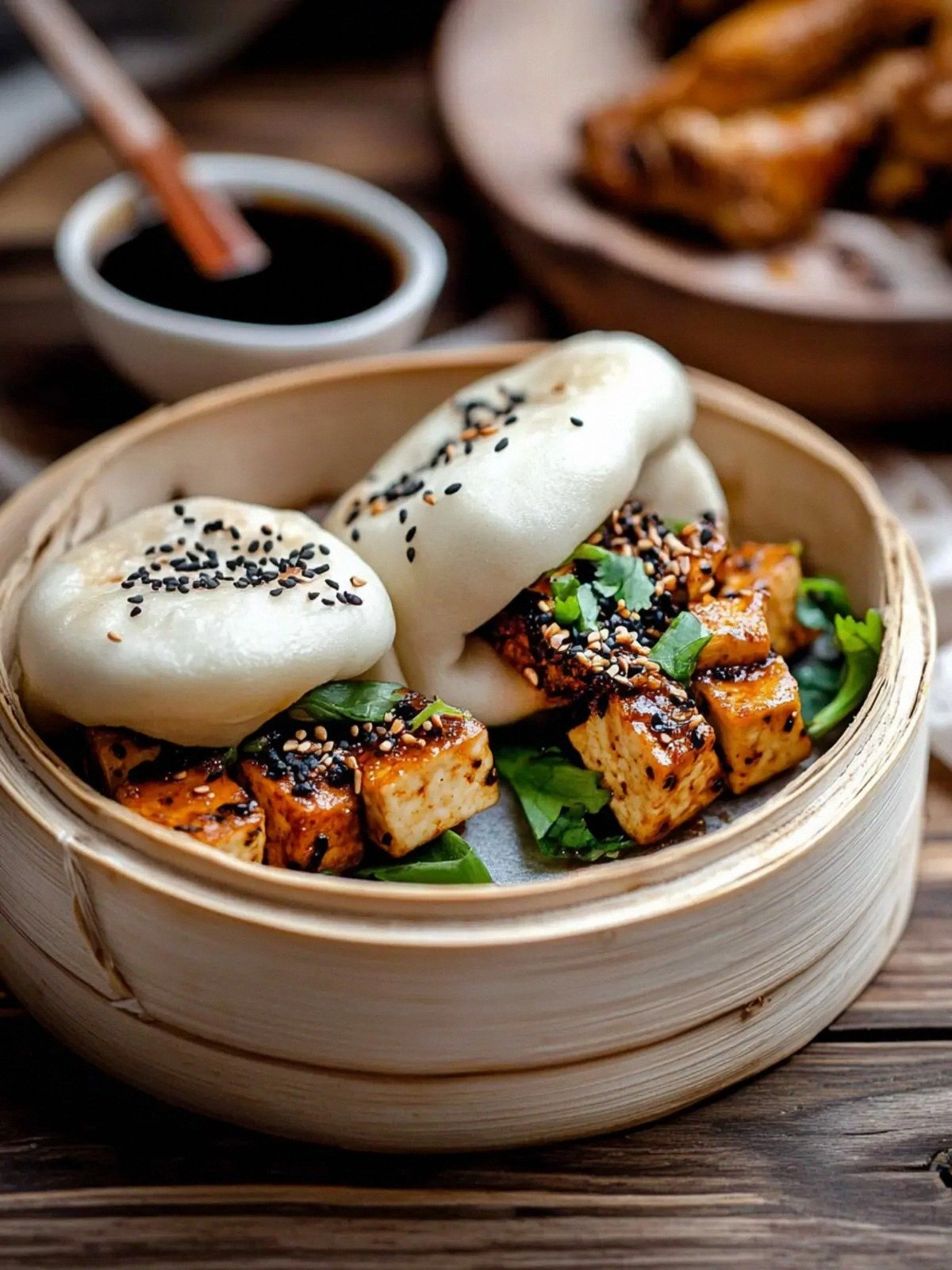
Picture the first bite: the tofu, tender and perfectly marinated, melts in your mouth, releasing a cascade of savory notes that cling to the inside of your tongue like velvet. The sauce, thickened with a touch of yeast and agave nectar, coats every surface, creating a glossy sheen that glistens under the steam. The bao buns rise to a pillowy softness, their skins crisping just enough to give that satisfying crack when you bite through. Every element—from the subtle heat of sambal oelek to the nutty crunch of sesame seeds—plays its part in a symphony of textures and flavors. I dare you to taste this and not go back for seconds.
What sets this version apart from the countless other tofu bao recipes is the meticulous balance of ingredients and the clever use of active dry yeast to create a lighter, fluffier bun that holds the sauce without becoming soggy. The combination of vegan hoisin and tamari gives a depth that would make even a non-vegetarian sigh with approval. The addition of ground flaxseed and dairy‑free milk in the dough not only boosts protein but gives a subtle nutty undertone that pairs beautifully with the sweet‑spicy filling. The recipe also incorporates a secret ingredient—sweetened black vinegar—that adds a tangy brightness, preventing the dish from feeling cloyingly sweet. It’s hands down the best version you'll ever make at home, and I’ve been told I’ve eaten half the batch before anyone else even had a chance.
But the real game‑changer lies in the steaming technique: a gentle, low‑heat approach that lets the buns rise evenly while preserving moisture, creating a soft interior that feels like a cloud. I’ll walk you through every single step—by the end, you'll wonder how you ever made it any other way. From pressing the tofu to mastering the dough, every detail has been fine‑tuned to deliver maximum flavor with minimal fuss. So grab your apron, and let’s dive into this culinary adventure that will have your friends begging for the recipe.
What Makes This Version Stand Out
- Flavor: The sauce is a masterclass in umami, marrying hoisin’s sweetness with tamari’s depth and a splash of black vinegar for brightness.
- Texture: The buns rise to a cloud‑like softness that crumbles gently, while the tofu stays firm and juicy.
- Simplicity: With only 26 ingredients, this recipe is straightforward yet delivers a complex flavor profile.
- Uniqueness: The use of active dry yeast in the dough gives it a subtle rise, setting it apart from classic yeasted buns.
- Ingredient Quality: Each component—from the toasted sesame oil to the fresh ginger—contributes a distinct layer of flavor.
- Make‑Ahead Potential: You can marinate the tofu a day ahead, and the dough can be prepped in advance, making this dish a perfect weeknight winner.
- Visual Appeal: The glossy, caramelized sauce and the speckled sesame seeds create a dish that looks as good as it tastes.
- Audience: Whether you’re a seasoned vegan or a curious foodie, this recipe delivers a wow factor that satisfies everyone.
Alright, let's break down exactly what goes into this masterpiece...
Inside the Ingredient List
The Flavor Base
Tamari or soy sauce and vegan hoisin form the backbone of this dish, delivering a savory, slightly sweet foundation that balances the heat from sambal oelek. If you’re looking for an extra depth, swap tamari for liquid aminos, but be aware the flavor will shift slightly to a more pronounced soy profile. Skipping either sauce will result in a bland, uninspired filling that lacks the signature richness. For the freshest taste, choose a tamari that is gluten‑free and a hoisin that is low in sugar.
The Texture Crew
Firm tofu, when pressed, becomes a sponge that soaks up the sauce, creating a juicy interior that contrasts with the airy buns. The ground flaxseed and dairy‑free milk in the dough add a subtle nutty undertone and bind the flour, giving the buns a tender crumb. The use of active dry yeast in the dough introduces tiny air pockets, ensuring a light, airy rise. If you’re allergic to soy, you can replace the tofu with a firm tempeh, though the texture will change slightly.
The Unexpected Star
Sweetened black vinegar or white rice vinegar adds a tangy brightness that cuts through the sweetness of the hoisin, creating a balanced flavor profile. The toasted sesame oil brings a nutty aroma that elevates every bite, while the toasted sesame seeds provide a subtle crunch and a burst of flavor. If you can’t find black vinegar, a splash of balsamic vinegar will give a similar depth, though it will alter the color slightly. Remember, the amount of vinegar is crucial; too much can overpower the other flavors.
The Final Flourish
Cilantro and green onions add a fresh, herbaceous finish that lifts the dish, while the combination of granulated sugar and agave nectar creates a caramelized glaze on the tofu. The salt and pepper balance the sweetness, ensuring every bite is well‑seasoned. The cornstarch in the dough helps achieve a slightly crisp exterior on the buns. If you prefer a sweeter profile, increase the brown sugar slightly; just be sure to adjust the salt to maintain balance.
Everything's prepped? Good. Let's get into the real action...
The Method — Step by Step
- Press the tofu: Cut the block into 1‑inch cubes and wrap each cube in a clean towel. Place a heavy skillet or a tofu press on top for 20 minutes to remove excess moisture. This step is critical; a drier tofu will soak up more sauce and stay firm during steaming. The result is a tofu that feels like a sponge, ready to absorb every nuance of the sauce.
- Make the sauce: In a bowl, whisk together tamari, vegan hoisin, brown sugar, sambal oelek, toasted sesame oil, minced garlic, minced ginger, water, black vinegar, black pepper, yeast, and agave nectar. The yeast will activate at room temperature, creating a subtle fizz that indicates the sauce is ready. Let it sit for 10 minutes so the flavors meld. The aroma will be a warm, spicy invitation that will have you craving more.
- Marinate the tofu: Toss the pressed tofu cubes in the sauce, ensuring each piece is coated. Cover and refrigerate for at least 30 minutes, preferably 2 hours, to allow the tofu to absorb the umami richness. The longer you marinate, the deeper the flavor. When you taste a piece, it should be sweet, spicy, and slightly tangy, like a savory candy.
- Prepare the dough: In a mixing bowl, combine all‑purpose flour, canola oil, cornstarch, salt, and a pinch of sugar. Gradually add warm water and dairy‑free milk while stirring until a shaggy dough forms. Add the ground flaxseed and continue mixing until the dough pulls away from the sides. The dough should be slightly sticky but manageable, like a thick pancake batter.
- Knead and rise: Turn the dough onto a lightly floured surface and knead for 8–10 minutes until smooth and elastic. Place it in a greased bowl, cover with a damp towel, and let it rise for 1 hour, or until doubled in size. The dough should feel airy and spring back when you poke it. If it’s too sticky, sprinkle a little more flour; if it’s too dry, add a splash of water.
- Shape the buns: Divide the dough into 12 equal portions. Roll each portion into a ball and then flatten it into a disk about 3 inches in diameter. Place a spoonful of the marinated tofu on the center of each disk, then fold the edges over, pinching to seal. The buns should be tight enough to hold the filling without leaking.
- Steam the buns: Line a steamer basket with parchment paper and place the buns, leaving space between them. Steam over boiling water for 15 minutes, covering tightly. The buns should puff up, their skins turning a pale golden hue. The steam will create a soft, moist interior that melts in your mouth.
- Prepare the garnish: While the buns steam, finely chop cilantro and green onions. Toss them with a drizzle of toasted sesame oil, a pinch of salt, and a sprinkle of sesame seeds. The garnish adds a fresh, bright contrast that cuts through the richness of the filling.
- Serve and enjoy: Arrange the hot buns on a platter, drizzle with the remaining sauce, and top with the fresh herb mixture. The aroma will be intoxicating, and the first bite will send a wave of flavor through your senses. Picture yourself pulling this out of the oven, the whole kitchen smelling incredible, and knowing you just served a masterpiece. If you’re hungry, I dare you to taste this and not go back for seconds.
That's it — you did it. But hold on, I've got a few more tricks that'll take this to another level...
Insider Tricks for Flawless Results
The Temperature Rule Nobody Follows
The dough’s temperature is a silent hero; if it’s too warm, the yeast will over‑proof and the buns will collapse. Keep the dough at room temperature for 30 minutes before kneading, and monitor the ambient heat. If you’re in a hot kitchen, chill the dough for 10 minutes to slow the yeast activity. This simple adjustment ensures a consistent rise every time.
Why Your Nose Knows Best
During the steaming process, pay attention to the aroma. A faint, sweet scent indicates the buns are done; if the smell is sour or yeasty, they need more time. My friend once tried to rush the process, resulting in a doughy, under‑cooked bun that tasted like stale bread. Trust your nose; it’s the most reliable indicator of perfection.
The 5‑Minute Rest That Changes Everything
After steaming, let the buns rest for exactly five minutes before cutting. This allows the steam to redistribute, preventing the buns from collapsing when you slice into them. The result is a neat, cohesive bun that holds its shape, much like a perfectly baked loaf that stays firm when you lift it.
The Secret of Evenly Filled Buns
Use a small spoon or a piping bag to deposit the tofu filling; this ensures each bun gets a consistent amount of sauce. A light hand prevents overfilling, which can cause the buns to burst. When you close the buns, press the edges together firmly, then twist the seam to seal; this creates a watertight seal that keeps the filling inside.
The Perfect Garnish Mix
Combine cilantro, green onions, and toasted sesame seeds in a small bowl, then drizzle with a splash of toasted sesame oil. The oil binds the herbs together, giving the garnish a glossy sheen that complements the buns’ golden skin. Adding a pinch of sea salt elevates the flavors, making the dish feel more balanced.
Creative Twists and Variations
This recipe is a playground. Here are some of my favorite ways to switch things up:
Spicy Kimchi Bao
Swap the tofu with a mixture of kimchi and diced tofu for a fermented, tangy kick. The kimchi’s natural probiotics add a healthful punch, while the tofu keeps the protein level high. This variation is perfect for those who love a bit of heat and a probiotic boost.
Miso‑Infused Filling
Replace half of the hoisin sauce with white miso paste for a deeper, earthy flavor. Miso brings umami that pairs beautifully with the sweet soy glaze, creating a complex taste profile. The result is a savory, almost brothy filling that’s a step above the original.
Coconut‑Creamy Variation
Add a splash of coconut milk to the sauce to give it a creamy texture and tropical aroma. The coconut’s natural sweetness balances the spice, while the creamy consistency coats the tofu like a silky blanket. This version feels indulgent yet remains vegan.
Lemon‑Zest Burst
Finish the sauce with a squeeze of fresh lemon juice and a sprinkle of zest. The citrus brightens the dish, cutting through the richness and adding a refreshing note. This tweak is especially delightful during warm weather.
Savory Mushroom Twist
Sauté sliced shiitake mushrooms with garlic and add them to the tofu mixture. The umami of mushrooms amplifies the savory depth, making the dish feel more substantial. This variation is ideal for mushroom lovers seeking a hearty, plant‑based meal.
Gluten‑Free Bao
Replace all‑purpose flour with a gluten‑free blend and use xanthan gum to bind the dough. The texture will be slightly denser, but the flavor remains unchanged. This adaptation ensures everyone can enjoy the bao, regardless of dietary restrictions.
Storing and Bringing It Back to Life
Fridge Storage
Store leftover buns in an airtight container in the refrigerator for up to 3 days. The buns will keep their softness, but the sauce may thicken slightly. To reheat, steam for 5 minutes or microwave for 30 seconds with a damp paper towel to restore moisture.
Freezer Friendly
Wrap each bun individually in plastic wrap, then place them in a freezer bag. They can be frozen for up to 2 weeks. When ready to eat, thaw at room temperature for 30 minutes, then steam for 10 minutes. The buns will regain their fluffy texture, and the sauce will re‑meld with the tofu.
Best Reheating Method
The secret to reheating is to add a splash of water or broth before steaming; this creates steam that softens the buns and prevents them from drying out. A quick 5‑minute steam will bring the buns back to life, making them taste as fresh as the first time. If you’re in a hurry, a microwave with a damp towel works too, but the steam method is the gold standard.