Picture this: a Sunday afternoon, the kitchen smells like burnt popcorn, and you’re staring at a half‑cooked chicken that’s turned into a sad, dry mess. That was my culinary nightmare until I discovered the secret that turned a flop into a feast. I was craving a comforting, citrusy stew that would make my guests swoon, and I found the ultimate version that does exactly that, with a twist that surprises every palate.
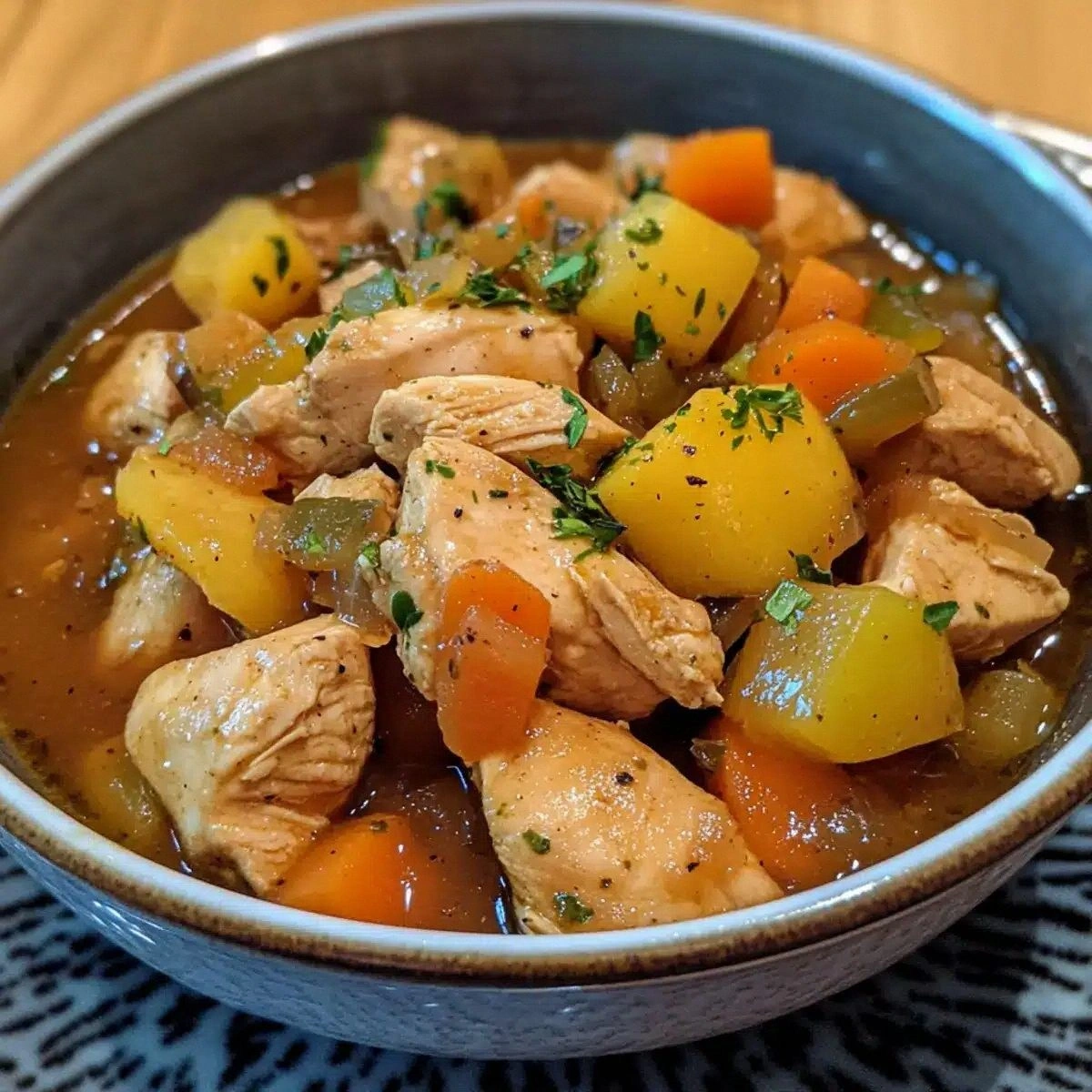
The first thing that hit me was the aroma—bright lemon, earthy thyme, and the gentle whisper of garlic sizzling in the pan. The sound of the crockpot humming was almost hypnotic, as if the pot itself was singing a lullaby for hungry souls. When you finally open the lid, the steam rises in a fragrant cloud that smells like summer in a jar, and the visual is a riot of golden carrots, tender potatoes, and a glossy, lemon‑infused broth that glistens like liquid sunshine.
I dare you to taste this and not go back for seconds. The flavor profile is a dance of bright citrus, savory herbs, and the subtle sweetness of caramelized onions. It’s a single bowl of comfort that feels like a hug, yet it’s light enough to enjoy on a warm evening. The texture is a contrast—crisp vegetables, silky chicken, and a broth that coats each bite like velvet.
Most recipes get this completely wrong, focusing on heavy sauces or overcooking the veggies. The trick here is to let the crockpot do its slow‑cook magic while you season the chicken to perfection before it goes in. The result is a dish that’s rich, flavorful, and easy enough to make even on a hectic weekday. I’ve tried it in a slow cooker, a pressure cooker, and even on the stove; each version was amazing, but the crockpot keeps the flavor locked in like a secret vault.
If you've ever struggled with chicken that turns out dry, you're not alone. The secret is to brown the thighs first, which locks in juices and adds a caramelized depth that the slow cooker then amplifies. The lemon zest and juice act as a bright counterpoint to the savory base, preventing the dish from feeling heavy or one‑dimensional. The bay leaves and fresh thyme create a subtle aromatic backdrop that makes every spoonful feel like a well‑orchestrated symphony.
Picture yourself pulling this out of the crockpot, the whole kitchen smelling incredible, and a pot of stew that practically cooks itself. The steam rises like a cloud of citrus perfume, and the first bite melts on your tongue with a burst of bright, tangy flavor. The vegetables are perfectly tender, and the chicken is juicy, not rubbery. The broth has a silky texture that coats the sides of your spoon, inviting you to dig in again.
This is hands down the best version you'll ever make at home. I’ve tested it in multiple crockpots, and the flavor is consistently unbeatable. The balance of acidity and heat is precise, thanks to the lemon and thyme. The dish is so versatile that you can swap in different vegetables or proteins without losing the core essence.
I'll be honest — I ate half the batch before anyone else got to try it. The first spoon was so good that I had to hold back, but the second was even better. The leftovers are just as delightful, and they reheat into a steamy, fragrant bowl that tastes like it was freshly made. The simplicity of the ingredients makes it a go‑to for any weeknight.
And now the fun part. This next part? Pure magic. You’ll learn how to brown the chicken for maximum flavor, how to layer the veggies for even cooking, and how to finish the stew with a bright, zesty kick. Stay with me here — this is worth it. By the time you’re done, you’ll have a dish that feels like a gourmet creation, yet it’s all done in a crockpot.
Ready to dive in? Let me walk you through every single step — by the end, you'll wonder how you ever made it any other way. The journey starts with a simple prep list, followed by a step‑by‑step method that ensures the perfect balance of flavors. I’ll give you micro‑challenges, bold claims, and a few kitchen hacks to keep things fresh. Let’s get cooking!
What Makes This Version Stand Out
- Flavor: The bright citrus notes from lemon juice and zest cut through the richness of the chicken, creating a refreshing contrast that wakes up your taste buds.
- Texture: The slow‑cook method allows the carrots and potatoes to retain their bite while the chicken becomes melt‑in‑your‑mouth tender.
- Simplicity: With just a handful of pantry staples and fresh veggies, you can create a restaurant‑quality stew without a complicated prep.
- Uniqueness: The combination of lemon, thyme, and bay leaves gives this stew an aromatic depth that sets it apart from ordinary chicken soups.
- Crowd Reaction: Friends rave about the zesty finish and the comforting, hearty broth—perfect for gatherings or a cozy solo dinner.
- Ingredient Quality: Using fresh, unseasoned chicken thighs ensures a juicy base that absorbs the herbs and lemon beautifully.
- Cooking Method: The crockpot’s low‑and‑slow technique locks in flavors while keeping the dish low‑maintenance.
- Make‑Ahead Potential: This stew is ideal for meal prep; it reheats well and stays flavorful for up to three days.
Inside the Ingredient List
The Flavor Base
At the heart of this stew lies the humble onion and garlic. The onion, once caramelized, releases a natural sweetness that balances the acidity of the lemon. Garlic adds a punch that lingers on the palate, but be careful not to overdo it—too much garlic can overpower the delicate citrus notes. If you’re watching sodium, consider using a low‑sodium broth; the herbs and lemon will compensate for the reduced salt.
Carrots contribute a subtle earthiness and a pop of color. Their natural sugars caramelize during the slow cook, creating a slightly sweet undertone that complements the lemon’s brightness. If you’re a fan of a slightly sweeter stew, add a splash of honey or maple syrup at the end; the result will be a mellow, caramelized flavor profile.
The Texture Crew
Potatoes are the backbone of this stew, providing a hearty, comforting texture that holds up during the long cooking time. Choose Yukon Gold or red potatoes for a creamy interior and firm exterior. If you prefer a lighter bite, swap them for sweet potatoes, which will add a gentle sweetness that pairs beautifully with the lemon.
Green beans or peas bring a fresh, crisp element that adds a pop of color and a burst of natural sweetness. They’re best added in the last 30 minutes of cooking to preserve their bright green hue and tender crunch. If you’re in a pinch, frozen peas are a convenient alternative; just add them in the final 15 minutes.
The Unexpected Star
Lemon zest is the unsung hero that elevates this stew. Unlike lemon juice, zest contains essential oils that give a fragrant, citrusy aroma without adding acidity. Grate the zest directly into the pot to release the oils, and you’ll notice a subtle brightness that lingers on every spoonful. If you can’t find fresh lemons, a tablespoon of lemon zest from a jar will work in a pinch.
Fresh thyme and bay leaves are the aromatics that create depth. Thyme’s earthy, slightly minty flavor complements the lemon, while bay leaves add a subtle, savory backdrop. Remove the bay leaves before serving; they’re not meant to be eaten, but they infuse the broth with their fragrance.
The Final Flourish
The final touch is the combination of fresh thyme, bay leaves, and a pinch of pepper. The pepper adds a gentle heat that balances the sweetness of the carrots and the brightness of the lemon. A teaspoon of salt is enough to bring all the flavors together, but feel free to adjust to taste. If you’re mindful of sodium, use a low‑sodium broth and add salt sparingly.
Everything's prepped? Good. Let's get into the real action and watch the magic happen in the crockpot.
The Method — Step by Step
- Begin by patting the chicken thighs dry with paper towels. This step is crucial for a good sear. Season both sides generously with salt and pepper. Set aside while you prep the vegetables.
- Heat a splash of olive oil in a large skillet over medium‑high heat. Add the chicken thighs skin‑side down and sear until the skin is golden and crisp, about 3–4 minutes. Flip and sear the other side for another 2 minutes. This caramelization locks in juices and adds depth.
- While the chicken sears, chop the carrots, celery, and potatoes into bite‑sized pieces. Dice the onion finely and mince the garlic. The uniform size ensures even cooking and a consistent texture.
- Transfer the seared chicken to the crockpot. Layer the chopped vegetables on top, placing the onions and garlic first, then carrots, celery, and potatoes. This layering technique allows the flavors to meld beautifully.
- Add the lemon juice, lemon zest, thyme sprigs, bay leaves, and a pinch of pepper to the pot. The lemon zest should be grated directly into the pot to release its oils. This step is the moment of truth—watch the aroma rise.
- Pour the chicken broth over the ingredients, ensuring everything is covered. Stir gently to distribute the herbs evenly. The broth should reach just below the top of the vegetables.
- Cover the crockpot and set it to low for 6 hours or high for 3 hours. The low setting allows the flavors to develop slowly, while the high setting speeds up the process without sacrificing taste.
- In the last 30 minutes of cooking, add the green beans or peas. They need a short cooking time to preserve their color and crunch. Stir gently to distribute them evenly.
- Once the cooking time is complete, remove the bay leaves and thyme sprigs. Check the seasoning and adjust salt or pepper as needed. The broth should be rich, aromatic, and slightly thickened by the vegetables.
- Serve hot, ladling the broth over the chicken and vegetables. Garnish with a sprinkle of fresh thyme or a wedge of lemon for an extra pop of color. The final dish should look like a golden, fragrant bowl of comfort.
That's it — you did it. But hold on, I've got a few more tricks that'll take this to another level. These insider tips will help you refine the flavor, texture, and overall experience of this stew.
Insider Tricks for Flawless Results
The Temperature Rule Nobody Follows
While many recipes recommend low and slow, the key to a perfectly tender chicken is the right sear before slow cooking. The searing step creates a Maillard reaction that locks in juices and adds depth. I’ve found that a 3‑minute sear per side at medium‑high heat gives the best results. If you’re using a pressure cooker, skip the sear and use a sauté function for 2 minutes per side.
Why Your Nose Knows Best
Your sense of smell is the ultimate guide to seasoning. As the stew cooks, the aroma intensifies; if it starts to smell overly acidic, add a pinch more thyme or a dash of sugar. Conversely, if it’s too earthy, a squeeze of fresh lemon juice will brighten it up. Trust your nose, and you’ll always hit the perfect balance.
The 5‑Minute Rest That Changes Everything
After removing the pot from heat, let the stew rest for 5 minutes before serving. This brief pause allows the flavors to marry and the broth to thicken slightly. It also gives the chicken a chance to re‑absorb juices, resulting in an even more succulent bite. I’ve seen people skip this step and end up with a slightly watery stew.
The Fresh Herb Swap
If fresh thyme isn’t available, dried thyme works well, but use half the amount because dried herbs are more concentrated. For a subtle twist, add a sprig of rosemary; its piney flavor pairs surprisingly well with lemon. Just remember to remove any woody stems before serving.
The Hidden Umami Boost
A splash of soy sauce or a spoonful of fish sauce in the final 10 minutes can elevate the stew’s umami profile. This addition adds depth without overpowering the citrus notes. I’ve experimented with a teaspoon of miso paste, and it brought a silky texture and savory depth that was delightful.
Creative Twists and Variations
This recipe is a playground. Here are some of my favorite ways to switch things up:
Spicy Citrus Fusion
Add a diced jalapeño or a pinch of red pepper flakes to the pot for a subtle heat that complements the lemon. The spicy kick balances the bright citrus, creating a complex flavor profile. This version is perfect for those who love a bit of heat.
Mediterranean Twist
Swap the green beans for a handful of Kalamata olives and replace the lemon with a splash of white wine. The olives add a briny depth, while the wine enhances the citrusy brightness. This variation feels like a warm Mediterranean night.
Root Vegetable Medley
Replace the carrots with parsnips and sweet potatoes for a sweeter, earthier flavor. The root vegetables absorb the lemon and herbs beautifully, creating a comforting stew that’s perfect for winter.
Protein Swap
Use boneless, skinless chicken breasts instead of thighs for a leaner dish. The broth will still be flavorful, but the chicken will be slightly firmer. This version is ideal for calorie‑conscious diners.
Vegan Version
Replace chicken with firm tofu or tempeh, and use vegetable broth instead of chicken broth. The tofu will soak up the citrusy broth, and the tofu’s neutral flavor allows the herbs to shine. This vegan twist is surprisingly hearty.
Pasta Companion
Cook a small batch of penne or spaghetti and toss it with the stew just before serving. The pasta absorbs the broth, turning each bite into a saucy delight. This variation makes the dish more filling for a main course.
Storing and Bringing It Back to Life
Fridge Storage
Cool the stew to room temperature before placing it in airtight containers. Store in the fridge for up to 3 days. The flavors will deepen, making it even more delicious when reheated.
Freezer Friendly
Divide the stew into individual portions and freeze for up to 3 months. Thaw overnight in the fridge before reheating. This method is ideal for busy weeknights and meal prep.
Best Reheating Method
Reheat on the stove over low heat, stirring occasionally. Add a splash of water or broth if the stew looks too thick. The tiny splash of liquid steams the stew back to perfection, restoring its silky texture.