Picture this: you’re in the middle of a rainy Sunday afternoon, the kitchen light flickers, and you’re staring at a bowl of overripe bell peppers and carrots that have been sitting in the fridge for too long. You want something that can rescue those veggies, bring a burst of color to the table, and make the whole house smell like a Thai market without leaving your apartment. I found the answer in a single pot, a can of coconut milk, and a jar of Thai red curry paste that I’d almost forgotten about. The moment I tossed the veggies into the pan and heard that satisfying sizzle, I knew I was onto something special.
When I first tasted this dish, the coconut milk wrapped the vegetables in a silky, velvety coat, while the red curry paste added a punch of heat that danced on the tongue. The aroma—sweet, nutty, and peppery—filled the room, turning an ordinary cooking session into a sensory celebration. It was the kind of meal that made me pause, take a deep breath, and realize that cooking could be both comforting and adventurous. That instant, I vowed to share this version with everyone who’s ever felt stuck in a culinary rut.
What makes this recipe stand out is not just the flavor but the way it transforms everyday vegetables into a crowd‑pleasing masterpiece. The sauce is thick enough to cling to every bite, yet light enough to keep the dish airy. The balance of sweet, salty, and tangy elements means you can tweak it to suit your taste without losing its soul. I dare you to taste this and not go back for seconds—you’ll find yourself reaching for the spoon again and again.
I’ll be honest—after the first batch I ate half the pot before anyone else even got a taste. Most recipes get this completely wrong by overcooking the vegetables or using too much curry paste. The secret? A simple technique that locks in freshness and keeps the sauce glossy. Picture yourself pulling this out of the pan, the whole kitchen smelling incredible, and the family lining up for the second help. Let me walk you through every single step—by the end, you’ll wonder how you ever made it any other way.
What Makes This Version Stand Out
- Taste: The combination of coconut milk and Thai red curry paste creates a creamy, spicy base that elevates every vegetable. The subtle sweetness from the brown sugar balances the heat, making it approachable for beginners and satisfying for seasoned palates.
- Texture: Each vegetable retains a bright, crisp bite while being tenderized by the gentle simmer. The sauce thickens to a silky consistency without becoming gummy, thanks to the natural starches in the coconut milk.
- Simplicity: With only 14 ingredients, you can throw this together in under 45 minutes. No prep work beyond chopping—perfect for busy weeknights or lazy weekends.
- Uniqueness: The inclusion of fresh lime juice and cilantro leaves adds a bright, citrusy finish that sets it apart from other Thai curries that rely on more traditional coconut-heavy sauces.
- Crowd Reaction: Friends rave about how it’s the easiest “restaurant‑style” curry they’ve ever made at home. It’s a guaranteed hit for family dinners, potlucks, or dinner parties.
- Ingredient Quality: Using fresh ginger and garlic, as well as a good quality red curry paste, makes a world of difference in flavor depth. The recipe works well with frozen veggies too, but fresh is best.
- Cooking Method: A quick sauté followed by a slow simmer ensures the flavors meld without overcooking the veggies. The method is scalable, so you can make it for a small family or a large gathering.
- Make‑Ahead Potential: The dish keeps well in the fridge for up to 3 days and freezes beautifully. Reheat gently with a splash of water to restore its silky sauce.
Inside the Ingredient List
The Flavor Base
The heart of this curry is the coconut milk and Thai red curry paste. Coconut milk brings a natural sweetness and a velvety texture that coats each vegetable. The red curry paste, with its blend of chilies, galangal, and lemongrass, provides the signature heat and aromatic complexity that makes Thai cuisine unforgettable. If you can’t find Thai red curry paste, a blend of red curry powder and a splash of fish sauce can mimic the profile, but the paste is the gold standard for authenticity.
The Texture Crew
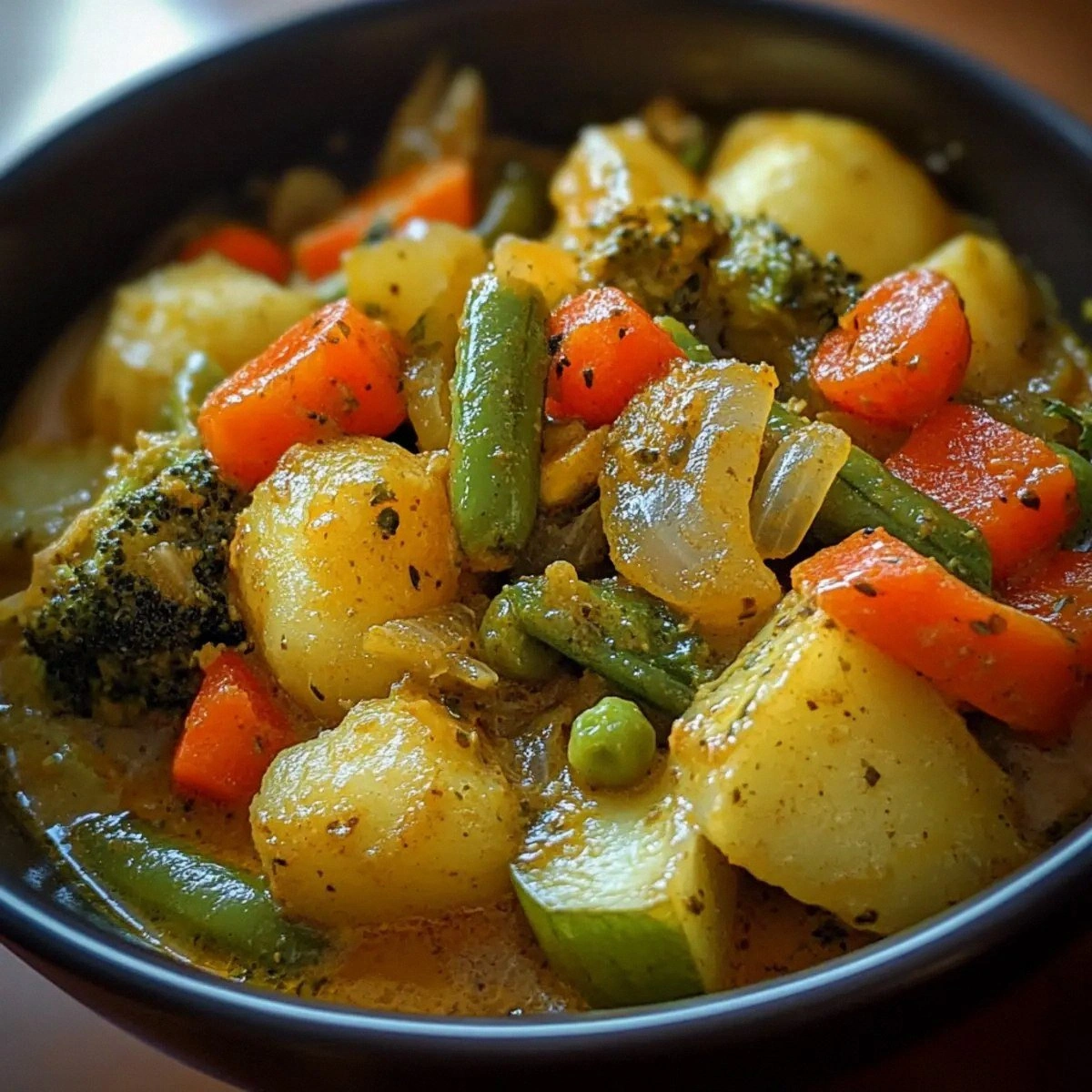
Bell peppers, carrots, green beans, zucchini, and baby corn form the colorful texture spectrum of this dish. Each vegetable brings a distinct bite: the bell pepper offers a sweet crunch, carrots add earthy sweetness, green beans deliver a satisfying snap, zucchini provides a tender chew, and baby corn offers a subtle nuttiness. Skipping any of these will alter the balance, but the dish remains delicious if you substitute with your favorite veggies.
The Unexpected Star
Fresh lime juice and cilantro leaves are the unsung heroes that lift the entire flavor profile. Lime juice adds a bright, citrusy acidity that cuts through the richness of the coconut milk, while cilantro offers a fresh, herbal note that rounds off the heat. If you’re not a fan of cilantro, a pinch of fresh parsley can provide a similar green lift, though the flavor will shift slightly.
The Final Flourish
Brown sugar balances the heat and acidity, creating a subtle caramel undertone that lingers on the palate. Soy sauce or fish sauce adds depth and umami; fish sauce is more traditional, while soy sauce offers a milder, vegetarian-friendly alternative. The garlic and ginger provide a pungent base that, when sautéed, releases essential oils that permeate the sauce.
Everything's prepped? Good. Let's get into the real action...
The Method — Step by Step
- Heat a large skillet or wok over medium‑high heat and add 1 tablespoon of neutral oil. Let the oil shimmer, then toss in the minced garlic and grated ginger. Sauté for 30 seconds until fragrant, being careful not to let them brown. This step builds the aromatic foundation that carries the curry’s flavor. The sizzling sound is a clear sign that the pan is hot enough.
- Add the diced onion and sauté until translucent, about 3 minutes. The onion should soften without turning golden; this preserves its subtle sweetness. Stir in the Thai red curry paste, coating the aromatics evenly. The paste will darken slightly, signaling that it’s releasing its oils. Keep the mixture moving to avoid sticking.
- Pour in the can of coconut milk, stirring to blend the paste into the liquid. Bring the mixture to a gentle simmer; you should see tiny bubbles forming at the edges. The sauce should look glossy and slightly thickened. At this point, add the brown sugar, soy sauce (or fish sauce), and lime juice. These ingredients balance the heat and add depth.
- Introduce the bell peppers, carrots, and green beans first. These vegetables take a bit longer to cook and will absorb the sauce’s flavor. Cover the pan with a lid and let them simmer for 5 minutes, checking occasionally. The vegetables should be tender yet still crisp.
- Add the zucchini and baby corn, which cook faster and will add a fresh burst of color. Stir gently to coat them in the sauce. After another 3 minutes, the vegetables should be cooked through but still retain their natural texture. This is the moment of truth—your dish should smell like a tropical garden.
- Give the curry a final stir, taste, and adjust seasoning if needed. A pinch of salt or extra lime juice can brighten the flavors further. If the sauce feels too thick, add a splash of water or vegetable broth to reach your desired consistency. The goal is a silky sauce that clings to each vegetable.
- Remove from heat and let the curry rest for a minute or two. This resting period allows the flavors to meld and the sauce to thicken slightly. If you prefer a slightly thicker sauce, you can reduce it further over low heat for an additional 2 minutes.
- Finish the dish by sprinkling fresh cilantro leaves over the top. The herbs add a bright, green contrast that elevates the entire plate. Serve the curry hot over steamed jasmine rice, quinoa, or even a bed of sautéed greens for a low‑carb option. The aroma alone will have everyone lining up for a taste.
- As a final flourish, drizzle a teaspoon of toasted sesame oil or a sprinkle of crushed peanuts if you like a nutty finish. This optional addition introduces another layer of texture and flavor, turning the dish into a gourmet experience.
That's it — you did it. But hold on, I've got a few more tricks that'll take this to another level. The next section will give you insider knowledge that will make you feel like a Thai culinary wizard.
Insider Tricks for Flawless Results
The Temperature Rule Nobody Follows
Cooking at the right temperature is key. Start with high heat for the aromatics, then reduce to a low simmer for the sauce. This approach prevents the coconut milk from scorching while still allowing the flavors to marry. A friend once tried to keep the heat high throughout and ended up with a burnt, bitter sauce. The lesson? Let the heat do its job in stages.
Why Your Nose Knows Best
Your sense of smell is a reliable judge of doneness. When the curry smells toasty, with a faint nutty aroma, you know it’s ready. If it still smells raw or too sharp, give it a few more minutes. Trusting your nose saves you from overcooking or under-seasoning.
The 5‑Minute Rest That Changes Everything
Letting the curry rest for 5 minutes after cooking allows the flavors to settle. The sauce thickens slightly, and the vegetables finish absorbing the spices. This simple step often feels like a luxury, but it makes the dish noticeably richer.
Keep the Sauce Smooth
If the sauce begins to separate, quickly whisk it or use a hand blender to re‑emulsify. Adding a splash of water or broth can also help bring it back together. The key is to act fast before it fully splits.
Serve With a Twist
Pair the curry with toasted coconut flakes or a squeeze of lime for an extra pop of flavor. Alternatively, serve it over cauliflower rice for a low‑carb version that still feels indulgent. These small adjustments can elevate the dish from good to unforgettable.
Creative Twists and Variations
This recipe is a playground. Here are some of my favorite ways to switch things up:
Protein Power
Add tofu, tempeh, or shrimp for a protein boost. Marinate the protein in a little soy sauce and lime juice before sautéing. The result is a hearty, balanced dish that feels like a full meal.
Mushroom Magic
Replace the bell peppers with a mix of shiitake and oyster mushrooms. Their umami flavor deepens the sauce, making it richer. The mushrooms also absorb the coconut milk, creating a velvety texture.
Spice Level Up
Add fresh sliced chilies or a dash of chili flakes for extra heat. Alternatively, use a hotter Thai red curry paste to turn up the flame. This variation is perfect for spice lovers.
Herb Swap
Replace cilantro with Thai basil for a sweeter, aromatic finish. The basil adds a subtle clove-like flavor that pairs beautifully with the curry’s spices.
Nuts for Crunch
Top the dish with roasted cashews or chopped peanuts. The crunch contrasts with the silky sauce, adding a delightful textural element. Sprinkle a pinch of toasted sesame seeds for an extra pop.
Low‑Carb Edition
Serve the curry over cauliflower rice or spiralized zucchini noodles. This keeps the dish light and keto‑friendly while maintaining the same delicious flavor profile.
Storing and Bringing It Back to Life
Fridge Storage
Store leftovers in an airtight container in the refrigerator for up to 3 days. The sauce will thicken slightly as it cools, so add a splash of water or coconut milk before reheating to restore its silky texture.
Freezer Friendly
Freeze the curry in freezer‑safe containers for up to 2 months. When ready, thaw overnight in the fridge and reheat gently on the stove, stirring frequently. The flavors meld beautifully after freezing.
Best Reheating Method
Reheat the curry over low heat, adding a small amount of water or broth to loosen the sauce. Stir until heated through, being careful not to let it boil. This method preserves the sauce’s smoothness and prevents separation.