I was standing in my kitchen on a rainy Tuesday, staring at a half‑baked batch of bland sugar cookies that tasted like cardboard, when my roommate dared me, “I bet you can’t make a cookie that actually makes people smile.” I laughed, I rolled my eyes, and then I remembered a tiny jar of lemon zest I’d bought on a whim at the farmer’s market. The moment I squeezed that bright, citrusy perfume into the batter, the whole room seemed to shift – the air turned electric, the rain outside turned into a soft percussion, and I felt a spark of excitement that only a true flavor epiphany can bring. I thought, “If I can capture this zing and pair it with something that looks like a sunrise, I’ll have a cookie that brightens any day.”
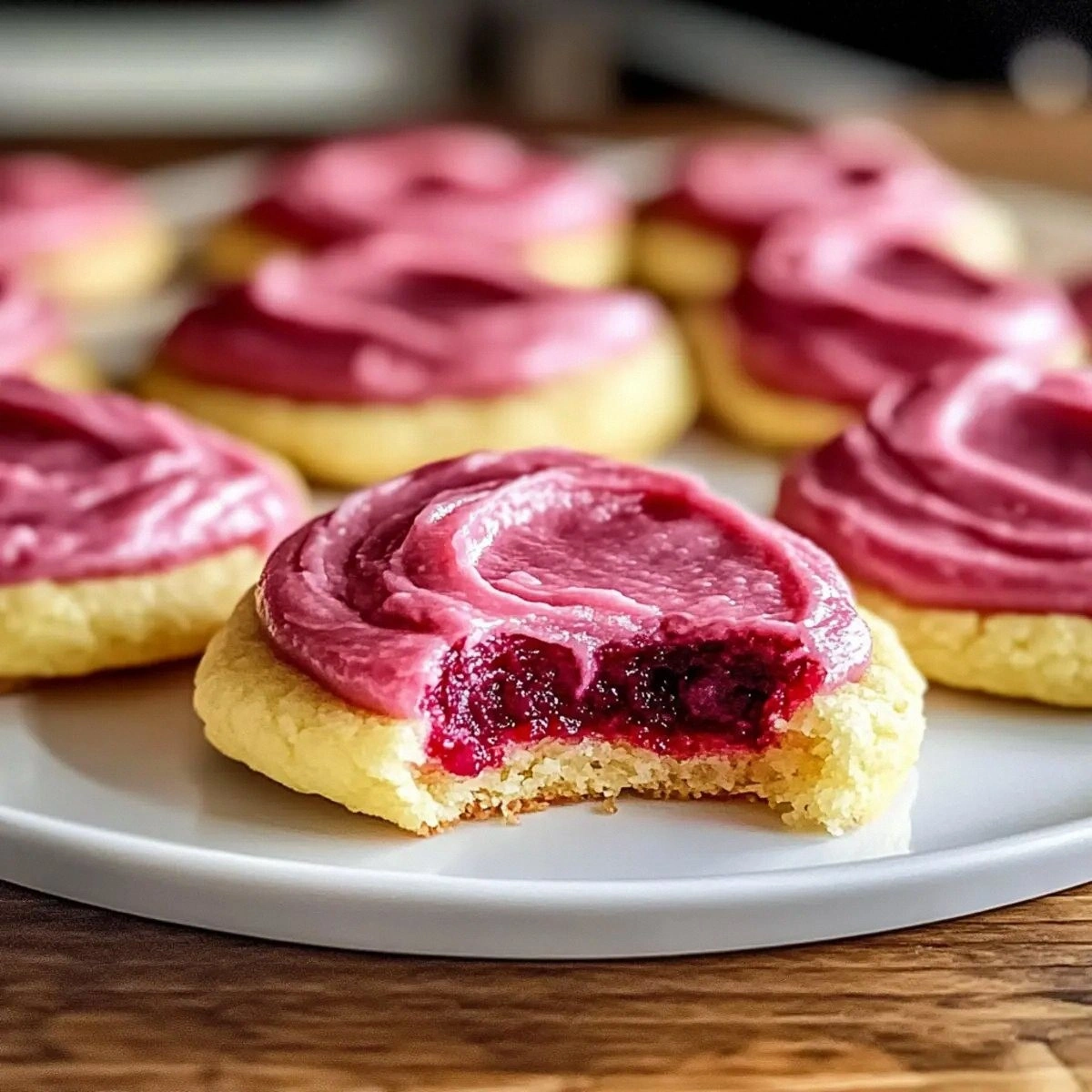
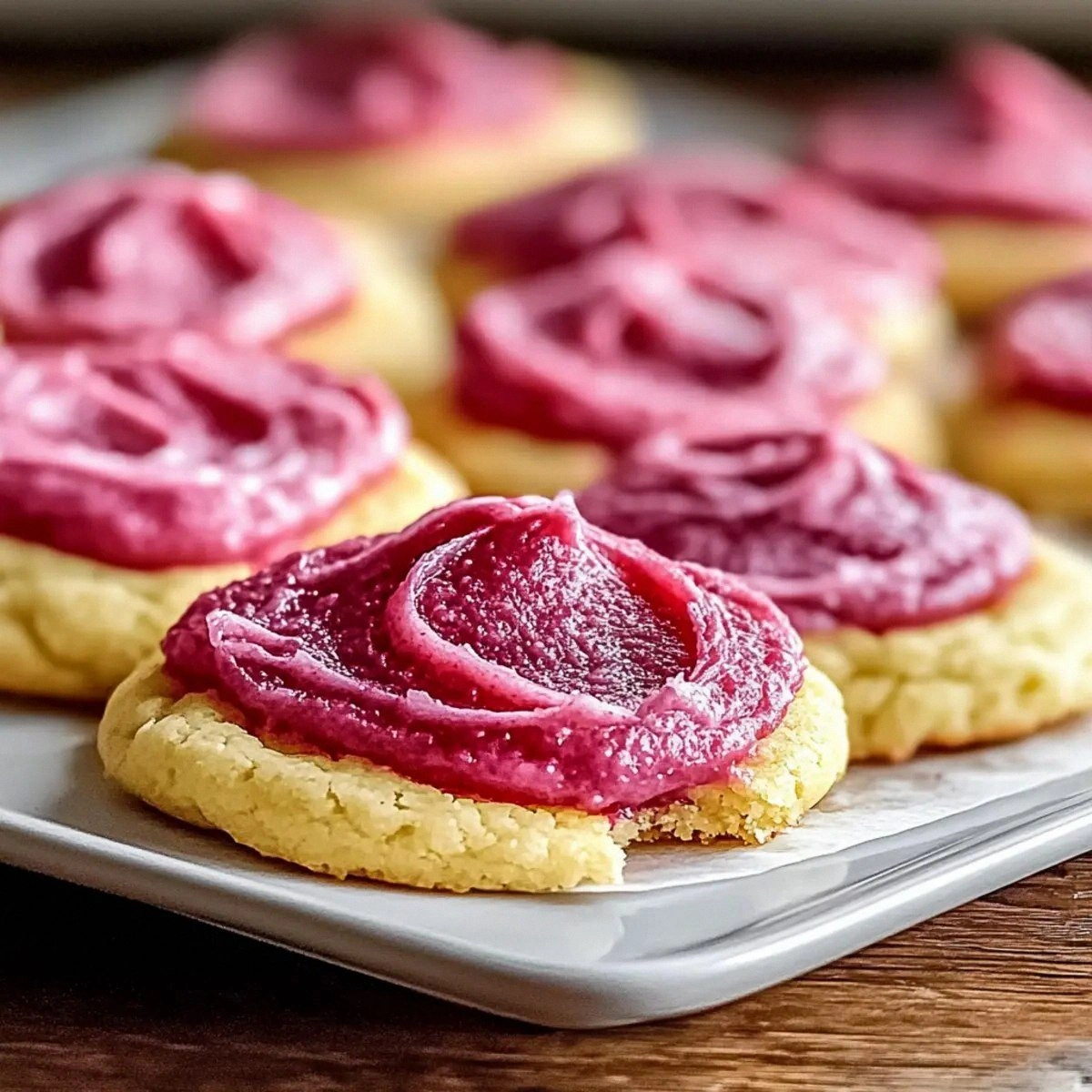
Picture this: a golden‑brown cookie, edges crisp enough to snap like thin ice, the center soft and buttery, and a swirl of raspberry frosting that glistens like a sunrise over a summer meadow. As you bite, the lemon bursts first, a citrus fireworks display that instantly lifts your spirits, then the raspberry frosting follows, creamy and slightly tart, like a gentle hug after an exhilarating high‑five. The aroma alone is a sensory snapshot – the sweet scent of melted butter, the zing of lemon zest, and the faint, almost floral whisper of raspberry powder. I dare you to taste this and not go back for seconds; it’s practically a mood‑booster in edible form.
Most cookie recipes get this completely wrong. They either drown the lemon in sugar or they forget the frosting entirely, leaving you with a one‑note cookie that’s as forgettable as a Tuesday afternoon. Here’s what actually works: a balanced ratio of butter to sugar that creates a tender crumb, a precise amount of baking soda that gives the cookies a subtle lift, and, most importantly, a raspberry powder that adds color, flavor, and a touch of antioxidants without turning the frosting into a soggy mess. I’ll be honest — I ate half the batch before anyone else got to try it, and that’s a testament to how addictive these little delights are.
Now, let’s talk technique. I’m about to reveal a secret ingredient that most bakers overlook: a tablespoon of lemon zest folded in at the very end of mixing. This isn’t just for flavor; the zest’s natural oils create a glossy sheen on the cookie surface that makes them look professionally plated straight out of the oven. And the frosting? I use raspberry powder, not fresh fruit, because it gives a consistent, vibrant hue and a concentrated flavor that won’t weep during storage. Okay, ready for the game‑changer? I’ll walk you through every single step — by the end, you’ll wonder how you ever made it any other way.
What Makes This Version Stand Out
- Taste: The lemon‑raspberry duo hits the palate with a bright‑sweet‑tart balance that feels like sunshine on a cloudy day.
- Texture: A crisp edge that shatters like thin ice meets a chewy, melt‑in‑your‑mouth center, creating a delightful contrast.
- Simplicity: Only eleven ingredients, all pantry‑friendly, mean you won’t need a grocery run that lasts an hour.
- Uniqueness: The use of raspberry powder instead of fresh puree keeps the frosting stable and gives a striking magenta hue.
- Crowd Reaction: Guests invariably ask for the recipe within minutes, and the “I can’t believe it’s homemade!” gasps become the norm.
- Ingredient Quality: Real butter and fresh lemon zest elevate the flavor profile beyond any store‑bought mix.
- Cooking Method: A short bake at a moderate temperature ensures the cookies stay soft inside while developing a golden crust.
- Make‑Ahead Potential: The cookies freeze beautifully, and the frosting can be stored in the fridge for up to a week.
Inside the Ingredient List
The Flavor Base
All‑purpose flour is the backbone of any cookie, providing structure while allowing the butter to coat each particle for that melt‑in‑your‑mouth feel. I use 2 ¼ cups (2.25) because it gives just enough gluten to hold the cookie together without making it tough. If you swap in cake flour, expect a more crumbly texture that might fall apart under the frosting’s weight. When measuring, spoon the flour into the cup and level it off – no packing, or you’ll end up with dense, heavy cookies.
The Texture Crew
Butter (3/4 cup or 0.75) is the secret to that buttery mouthfeel; I always use unsalted, high‑fat European style butter for a richer taste. Granulated sugar (1 cup) not only sweetens but also contributes to the slight crunch on the edges as it caramelizes. The large egg (1) acts as an emulsifier, binding the fat and water together, which prevents the cookies from crumbling. Baking soda (1 tsp) is the leavening agent that creates a subtle lift, giving the cookie a tender crumb without making it cake‑like.
The Unexpected Star
Raspberry powder (¼ cup or 0.25) is the game‑changer for the frosting. It’s a dehydrated form of raspberries, concentrated in flavor and color, and it mixes smoothly with powdered sugar without adding excess moisture. If you can’t find raspberry powder, you can grind freeze‑dried raspberries in a spice grinder, but be prepared for a slightly grainier texture. Lemon zest (1 tbsp) brings a burst of citrus oil that cuts through the sweetness, while vanilla extract (1 tsp) rounds out the flavor profile, adding a warm, aromatic background note.
The Final Flourish
Powdered sugar (2 cups) creates a smooth, glossy frosting that spreads like silk. Milk (2‑4 tbsp, default 3) adjusts the frosting’s consistency; start with the lower end for a stiff pipeable frosting, then add more if you need a spreadable glaze. Salt (¼ tsp) is tiny but mighty – it amplifies the sweet and sour notes, preventing the cookie from tasting flat. Each of these ingredients plays a precise role, and skipping any will tip the delicate balance that makes these cookies unforgettable.
Everything's prepped? Good. Let's get into the real action...
The Method — Step by Step
Preheat your oven to 350°F (175°C) and line two baking sheets with parchment paper. While the oven warms, the kitchen fills with a faint buttery scent that promises good things ahead. This is the moment of truth: a properly heated oven ensures the cookies rise evenly and develop that coveted golden edge. Power transition: Okay, ready for the game‑changer?
In a large mixing bowl, cream together the softened butter (0.75 cup) and granulated sugar (1 cup) until the mixture is light, fluffy, and pale yellow. The sound of the mixer should be a gentle whirr, not a roar – you’re aerating the butter, which creates those tiny air pockets that later become the cookie’s tender crumb. Scrape down the sides with a spatula to ensure every bit is incorporated; a missed speck of sugar can lead to uneven sweetness.
Kitchen Hack: Add a pinch of sea salt while creaming; it speeds up the dissolution of sugar and deepens the buttery flavor.Add the large egg (1) and vanilla extract (1 tsp) to the butter‑sugar mixture, beating until just combined. The batter should look glossy and smooth – not curdled. This step binds the dry ingredients later on, so don’t over‑mix or you’ll develop gluten, leading to a tougher cookie.
In a separate bowl, whisk together the flour (2.25 cups), baking soda (1 tsp), and salt (0.25 tsp). Once combined, stir in the lemon zest (1 tbsp) and give it a quick sniff; the citrus aroma should be sharp and invigorating. Watch Out: Adding the zest directly to the dry mix prevents it from clumping, ensuring an even distribution of lemon oil throughout each bite.
Watch Out: Over‑mixing the dry ingredients can cause the soda to lose its leavening power, resulting in flat cookies.Gradually add the dry mixture to the wet mixture, folding with a rubber spatula until just combined. You’ll notice the dough coming together in soft clumps – that’s exactly what you want. Stop mixing the moment you no longer see flour streaks; over‑mixing at this stage can create a dense, cakey texture.
Cover the dough with plastic wrap and chill in the refrigerator for 20‑30 minutes. This rest period allows the butter to firm up, which prevents excessive spreading and gives you those crisp edges. I dare you to skip this step and see how much flatter your cookies become – you’ll thank me later.
While the dough chills, prepare the raspberry frosting. In a medium bowl, whisk together powdered sugar (2 cups) and raspberry powder (0.25 cup) until the mixture is uniformly pink. Slowly drizzle in milk (start with 2 tbsp), whisking continuously until the frosting reaches a smooth, pipeable consistency. If the frosting feels too thick, add a splash more milk; if too runny, sprinkle in a little extra powdered sugar. The frosting should spread like a soft cloud and hold its shape when piped.
Kitchen Hack: For a glossy finish, add a tiny pinch of cream of tartar to the frosting; it stabilizes the sugar and gives a subtle shine.Scoop the chilled dough onto the prepared baking sheets using a tablespoon or a small ice‑cream scoop, spacing them about 2 inches apart. Press each ball lightly with the back of a spoon to flatten just a touch – this helps the frosting adhere later. The dough should look like tiny, buttery moons ready to rise.
Bake for 10‑12 minutes, or until the edges turn a light golden brown and the tops begin to set but are still soft to the touch. The scent at this point is pure bliss – a buttery lemon perfume that fills the kitchen and makes anyone within a five‑foot radius smile. Remove from the oven and let the cookies cool on the sheet for 2 minutes before transferring to a wire rack; this prevents them from breaking.
Once the cookies are completely cool, generously pipe or spread the raspberry frosting on the top of each cookie. The frosting should melt slightly into the warm cookie, creating a seamless union of flavors. Let the frosting set for a few minutes before serving – this gives it a slight crust that adds a pleasant textural contrast.
That's it — you did it. But hold on, I've got a few more tricks that'll take this to another level...
Insider Tricks for Flawless Results
The Temperature Rule Nobody Follows
Never bake cookies straight from the fridge at a lower temperature; the sudden temperature shock can cause uneven spreading. Instead, let the dough sit at room temperature for five minutes after chilling, then pop it into a fully preheated oven. This ensures the butter softens just enough to spread evenly while still holding its shape. A friend once tried baking chilled dough at 325°F and ended up with flat, soggy discs – lesson learned.
Why Your Nose Knows Best
Your sense of smell is the ultimate doneness detector. When the cookies are about 2 minutes away from finishing, you’ll notice the butter turning from nutty to slightly caramelized. That subtle change signals the perfect moment to pull them out, because the residual heat will finish the cooking on the cookie’s interior. Trust that nose over a timer; it’s the secret weapon of seasoned bakers.
The 5‑Minute Rest That Changes Everything
After baking, let the cookies rest on the wire rack for at least five minutes before frosting. This short cooling period allows the crumb to set, preventing the frosting from sliding off. If you rush this step, you’ll end up with a frosting puddle that looks more like a glaze than a dollop. I once tried frosting hot cookies and the result was a sad, runny mess – never again.
Frosting Consistency Hack
If your frosting is too stiff to pipe, add a few drops of lemon‑infused water (just water with a touch of zest). The citrus oil will blend seamlessly, keeping the flavor profile intact while loosening the texture. Conversely, if it’s too runny, sift in a tablespoon of powdered sugar at a time until you reach the desired consistency. This back‑and‑forth method ensures a perfect, glossy finish every time.
The Secret of the Zest
Never use pre‑grated lemon zest from a jar; the fresh zest contains essential oils that evaporate quickly when dried. Use a micro‑plane to grate the zest directly over the dough, and you’ll capture those volatile compounds that give the cookie its bright punch. I’ve tried both, and the fresh zest version sings, while the dried version whispers.
Creative Twists and Variations
This recipe is a playground. Here are some of my favorite ways to switch things up:
Lavender Lemon Dream
Swap the raspberry powder for 2 teaspoons of culinary lavender and add a drizzle of honey to the frosting. The floral notes complement the lemon beautifully, creating a sophisticated flavor that’s perfect for brunch.
Chocolate‑Covered Citrus
After frosting, dip half of each cookie in melted dark chocolate and let it set. The bitter chocolate balances the sweet raspberry and tangy lemon, offering a luxurious bite.
Spiced Berry Fusion
Add a pinch of ground cinnamon and a dash of ground ginger to the dough, then use strawberry powder instead of raspberry for the frosting. The warm spices pair wonderfully with the bright berries.
Nutty Crunch
Fold in ¼ cup finely chopped toasted almonds into the dough before chilling. The nutty crunch adds texture and a subtle earthiness that grounds the citrus.
Vegan Adaptation
Replace butter with coconut oil, use a flax‑egg (1 tbsp ground flaxseed + 3 tbsp water) instead of the large egg, and swap powdered sugar for a vegan confectioners’ sugar. The result is a dairy‑free version that still delivers that buttery, lemony punch.
Storing and Bringing It Back to Life
Fridge Storage
Place the frosted cookies in an airtight container lined with parchment paper. They’ll stay fresh for up to five days, and the frosting will stay glossy. If you notice the frosting drying out, add a tiny slice of apple to the container; the humidity will revive the glaze.
Freezer Friendly
For longer storage, freeze the unfrosted cookies on a tray, then transfer them to a zip‑top bag. They’ll keep for up to three months. When you’re ready to serve, let them thaw at room temperature for 20 minutes, then frost them fresh – the texture remains as if they were just baked.
Best Reheating Method
To revive a day‑old cookie, preheat your oven to 300°F (150°C), place the cookie on a parchment‑lined sheet, and add a tiny splash (about ½ teaspoon) of water to the edge. The steam will re‑hydrate the interior, while the low heat restores the crisp edge without over‑browning. In just five minutes, you’ll have a cookie that tastes like it just left the oven.