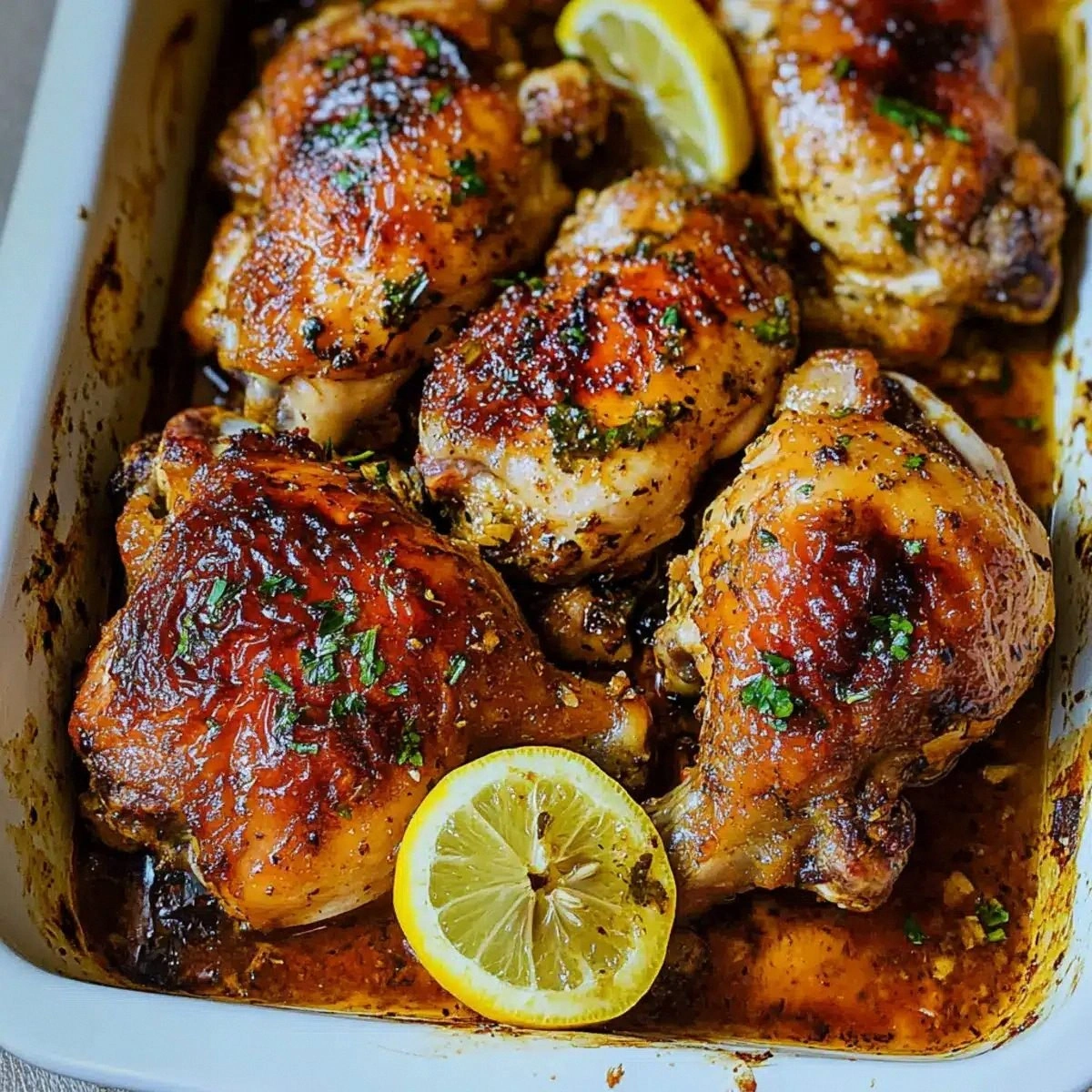
Picture this: a rainy Thursday night, the kind where the wind howls against the windows and every family member is curled up on the couch, scrolling aimlessly for something to satisfy that gnawing hunger. I was in the kitchen, half‑heartedly rummaging through the fridge, when a sudden craving for something bright, buttery, and utterly comforting struck me like a bolt of citrus lightning. I tossed a few chicken pieces into a bowl, grabbed a lemon, and thought, “Why not turn this into a dinner that could convince even the pickiest teen to trade pizza for a plate?” Spoiler alert: I ended up creating the most unforgettable version of baked lemon butter chicken you’ll ever taste.
The moment the butter hit the hot pan, the kitchen filled with a sizzle that sounded like applause, and the aroma of caramelized onions and garlic rose like an invitation to a secret garden party. The lemon juice, when it finally joined the mix, cut through the richness with a sharp, clean kiss that made the whole room feel instantly brighter, as if the sun itself had slipped through the clouds. I could hear the faint clink of the metal spoon against the pan, the gentle pop of the red pepper flakes, and my own heartbeat quickening with anticipation. The texture of the chicken—still juicy on the inside, with skin that turned golden and crisp at the edges—was a revelation that made my taste buds do a happy dance.
What truly sets this version apart is the marriage of simple pantry staples with a few elevated touches that most recipes completely miss. Most baked chicken dishes either drown in a soggy sauce or end up dry and flavorless; I dared to balance the buttery richness with a splash of heavy cream and a generous dusting of Parmesan that creates a velvety glaze you can’t help but stare at. And let’s talk about the seasoning: a blend of smoked paprika, Montreal chicken seasoning, and kosher salt that builds layers of flavor like a well‑written novel—each chapter more intriguing than the last.
But the real secret? A quick, under‑the‑radar technique involving a short sear before the bake that locks in juices and gives the skin that irresistible crunch. I’m not going to give it away just yet—stay with me. I dare you to taste this and not go back for seconds. Let me walk you through every single step — by the end, you’ll wonder how you ever made it any other way.
What Makes This Version Stand Out
- Flavor Explosion: The combination of lemon, butter, and Parmesan creates a sauce that coats the chicken like silk, delivering a bright tang balanced by creamy depth.
- Texture Harmony: A quick sear gives the skin a crisp, crackly edge that shatters like thin ice, while the interior stays juicy and tender.
- Simplicity Meets Sophistication: Only thirteen ingredients, yet each one plays a starring role, proving you don’t need a pantry full of exotic items to impress.
- Ingredient Quality: Dark meat chicken pieces retain moisture better than breast, making every bite succulent and forgiving for home cooks.
- Crowd‑Pleaser Factor: Even the most skeptical eaters admit this dish is “hands down the best version you’ll ever make at home.”
- Cooking Method Magic: The two‑step bake—sear then oven—creates layers of flavor that most single‑method recipes miss.
- Make‑Ahead Friendly: You can prep the seasoning and sauce ahead of time; the final bake takes just 30 minutes, perfect for busy weeknights.
- Versatile Pairings: Serves beautifully over pasta, rice, or a simple green salad, letting you adapt the meal to whatever you have on hand.
Inside the Ingredient List
The Flavor Base
2 pounds Dark Meat Chicken Pieces – The backbone of this dish. Dark meat stays moist during baking, preventing the dreaded dry texture that haunts many home cooks. If you skip it for breast meat, you’ll notice a noticeable loss of richness. For the best results, choose pieces with skin on; the skin renders fat that adds flavor and creates that coveted crisp.
1 tablespoon Kosher Salt – Salt is the flavor enhancer that brings every other ingredient to life. It helps break down the proteins in the chicken, making it more tender. If you’re watching sodium, you can reduce to ½ tablespoon, but expect a slightly muted taste.
1 teaspoon Smoked Paprika – This spice adds a subtle smoky depth without overpowering the lemon. It’s the secret that makes the sauce feel like it’s been slow‑cooked for hours. If you don’t have smoked paprika, regular sweet paprika plus a pinch of chipotle powder works as a swap.
1 tablespoon Montreal Chicken Seasoning – A blend of herbs and spices that adds complexity. It brings a touch of garlic, pepper, and coriander that pairs beautifully with the lemon. You can create your own mix using equal parts dried thyme, rosemary, and a dash of black pepper.
The Texture Crew
1/2 cup Butter – The star of the show, butter creates a luscious, glossy sauce that clings to the chicken. It also helps achieve that golden‑brown finish. If you’re dairy‑free, try a high‑quality ghee; the flavor will shift slightly but still deliver richness.
1 medium Red Onion – When sautéed, the onion turns sweet and caramelized, forming the aromatic foundation. Its natural sugars help develop the beautiful brown color. If you’re not a fan of red onion, yellow or sweet Vidalia works just as well.
4 cloves Garlic – Garlic adds a pungent bite that mellows into a fragrant, buttery note as it cooks. Crushing the cloves first releases more flavor. For a milder garlic presence, use a whole clove and remove it before serving.
1/2 teaspoon Red Pepper Flakes – A whisper of heat that lifts the dish without overwhelming it. Adjust to taste; a pinch will suffice for a subtle zing, while a full half‑teaspoon adds a gentle warmth.
The Unexpected Star
1 cup Chicken Stock – The liquid backbone that deglazes the pan, pulling up all the browned bits for maximum flavor. Use low‑sodium stock to keep the salt balance in check. If you’re out of stock, water with a splash of soy sauce works as a fallback.
1/4 cup Fresh Lemon Juice – The bright, acidic spark that cuts through the buttery richness. Freshly squeezed juice is essential; bottled juice loses that vibrant zing. For a slightly sweeter profile, add a teaspoon of honey.
The Final Flourish
1/2 cup Freshly Grated Parmesan Cheese – Parmesan adds a nutty, salty depth and helps thicken the sauce into a silky glaze. Grate it yourself; pre‑grated cheese contains anti‑caking agents that can affect texture.
1/2 cup Heavy Whipping Cream – This ingredient transforms the sauce from a simple butter glaze into a luxurious, velvety coating that clings to every bite. If you need a lighter version, substitute half‑and‑half, but expect a thinner sauce.
2 tablespoons Flat Leaf Parsley – Fresh parsley brightens the final dish, adding a pop of color and a hint of herbaceous freshness. Sprinkle it just before serving to retain its vibrant flavor.
Everything's prepped? Good. Let’s get into the real action…
The Method — Step by Step
First, preheat your oven to 400°F (200°C). While the oven warms up, pat the chicken pieces dry with paper towels—this is crucial for a crispy skin. Toss the chicken in a bowl with kosher salt, smoked paprika, and Montreal chicken seasoning, making sure each piece is evenly coated. Let it sit for five minutes; this short rest allows the salt to start breaking down the muscle fibers, setting the stage for juiciness.
Heat a large, oven‑safe skillet over medium‑high heat and melt half of the butter. Once the butter foams, add the seasoned chicken, skin side down, and sear for about 3‑4 minutes until the edges turn a deep golden brown. This sear is the game‑changer—watch the skin start to crackle and pop, a sound that says “we’re on the right track.” Flip the pieces and sear the other side for another 2 minutes.
Kitchen Hack: Use a splatter guard while searing to keep the butter from smoking and to keep your stovetop clean.Remove the chicken temporarily and set aside on a plate. In the same skillet, add the diced red onion and sauté until translucent, about 4 minutes. Add the minced garlic and red pepper flakes, stirring for another 30 seconds until you smell that intoxicating aroma—this is the moment your kitchen starts to feel like a five‑star bistro.
Deglaze the pan with the chicken stock, scraping up all the browned bits stuck to the bottom. Those caramelized fragments are flavor gold; don’t let them go to waste. Let the stock reduce by half, which should take about 5 minutes. This reduction concentrates the savory base and prepares it for the lemon‑butter finish.
Now stir in the remaining butter, letting it melt into the reduced stock. Add the fresh lemon juice in a steady stream, watching the sauce brighten instantly. At this point, you’ll notice the sauce turning a buttery, pale gold—pure visual satisfaction.
Return the seared chicken to the skillet, skin side up, nestling the pieces among the onion‑garlic mixture. Sprinkle the grated Parmesan over everything, then gently pour the heavy cream around the edges. The cream will swirl into the sauce, creating a velvety river that coats each piece.
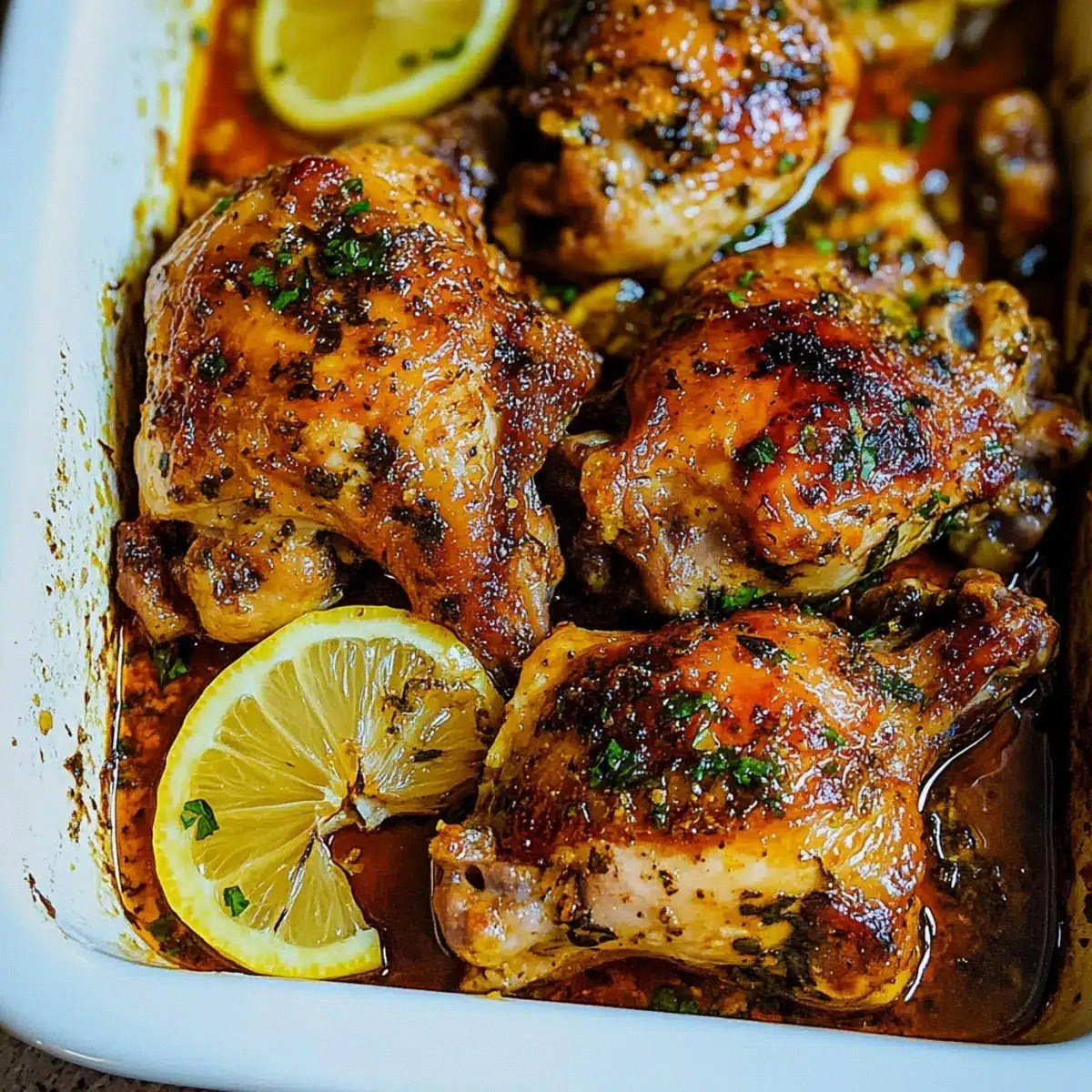
Watch Out: Be careful not to let the sauce boil vigorously after adding the cream; a gentle simmer keeps it smooth and prevents curdling.Slide the skillet into the preheated oven. Bake for 20‑25 minutes, or until the internal temperature of the thickest piece reaches 165°F (74°C). You’ll know it’s done when the sauce bubbles lightly around the edges and the chicken skin has turned a deep, caramelized amber.
While the chicken bakes, use this window to prep a quick side—perhaps a simple arugula salad tossed with olive oil and a squeeze of lemon. This fresh bite will contrast the rich sauce beautifully, creating a balanced plate.
Remove the skillet from the oven and let the chicken rest for five minutes. This short rest allows the juices to redistribute, ensuring every bite is moist. Finish by sprinkling the flat‑leaf parsley over the top for a burst of color and herbaceous freshness. Serve immediately, spooning extra sauce over each piece—trust me, you’ll want every last drop.
Kitchen Hack: After resting, give the sauce a quick whisk; this re‑emulsifies the butter and cream, giving you that glossy finish you see in restaurant photos.
That’s it — you did it. But hold on, I’ve got a few more tricks that’ll take this to another level…
Insider Tricks for Flawless Results
The Temperature Rule Nobody Follows
Most home cooks bake chicken at 350°F, thinking lower heat equals juicier meat. In reality, a hot 400°F blast creates a rapid Maillard reaction, sealing in juices while giving you that coveted crisp skin. If you’re nervous about burning, start with a high heat for the first 10 minutes, then lower to 375°F for the remainder. This two‑stage approach gives you the best of both worlds—golden exterior and moist interior.
Why Your Nose Knows Best
Before you even check the timer, trust the scent. When the sauce starts to caramelize and you catch a faint buttery‑lemon aroma, you’re close to perfection. If the kitchen smells like raw butter, give it a few more minutes. Your nose is a far more reliable gauge than any clock.
The 5‑Minute Rest That Changes Everything
Resting chicken after baking is often overlooked, yet it’s crucial. During the rest, the muscle fibers relax and re‑absorb the juices that were forced to the surface during cooking. Skipping this step leads to dry, crumbly bites. Cover the skillet loosely with foil and let it sit; those five minutes are pure magic.
Butter‑Cream Balance
Heavy cream can turn a sauce heavy if over‑added. The secret is to add it after the sauce has reduced, then stir gently. This way, the cream lifts the sauce without drowning the butter’s bright notes. If the sauce looks too thick, a splash of chicken stock or even a splash of water will loosen it without sacrificing flavor.
Seasoning Layers for Depth
Season early (the dry rub) and finish late (a pinch of salt after baking). This double‑layer technique builds depth. The early seasoning penetrates the meat, while the final sprinkle brightens the surface and enhances the lemon’s zing. A friend once tried skipping the final salt—let’s just say the dish tasted flat and she learned her lesson quickly.
Creative Twists and Variations
This recipe is a playground. Here are some of my favorite ways to switch things up:
Herb‑Infused Butter
Swap plain butter for a blend of softened butter mixed with thyme, rosemary, and a hint of sage. The herb‑infused butter adds an earthy undertone that pairs beautifully with the lemon, turning the dish into a rustic, farmhouse‑style feast.
Spicy Cajun Kick
Replace smoked paprika with Cajun seasoning and double the red pepper flakes. The result is a fiery version that still retains the buttery richness but brings a Southern heat that will make your family reach for more napkins.
Garlic‑Lemon Parmesan Pasta
Instead of serving the chicken solo, toss the sauce with cooked linguine or fettuccine. The pasta absorbs the buttery‑lemon glaze, creating a one‑pan wonder that’s perfect for busy weeknights.
Creamy Mushroom Add‑In
Stir in sliced cremini or button mushrooms after deglazing the pan. The mushrooms soak up the sauce, adding an earthy umami depth that complements the lemon without overwhelming it.
Cheesy Crust
Before the final bake, sprinkle an extra half‑cup of grated mozzarella or provolone on top of the chicken. The cheese melts into a golden, bubbly crust that adds a stretchy, indulgent texture.
Low‑Carb Zucchini Noodles
Serve the chicken over spiralized zucchini noodles for a lighter, low‑carb version. The noodles soak up the sauce, and the dish stays bright and fresh, perfect for a summer dinner.
Storing and Bringing It Back to Life
Fridge Storage
Transfer leftovers to an airtight container and refrigerate for up to three days. The sauce may thicken as it cools; gently reheat on the stove over low heat, adding a splash of chicken stock or water to loosen it back to its original silkiness.
Freezer Friendly
Cool the chicken completely, then place in a freezer‑safe bag, removing as much air as possible. It will keep for up to two months. When ready to eat, thaw overnight in the fridge, then reheat in a covered skillet with a tablespoon of butter and a splash of lemon juice to revive the brightness.
Best Reheating Method
For the ultimate texture, reheat in a preheated oven at 350°F for 10‑12 minutes, uncovered. This method restores the crisp skin while gently warming the interior. Add a tiny splash of water or stock before covering with foil; the steam will keep the meat moist and the sauce glossy.