Picture this: a rainy Saturday, the kind where the clouds are so thick they feel like a blanket, and you’re stuck inside with nothing but a half‑finished grocery list and a sudden, insistent craving for something comforting. I was rummaging through my fridge, cursing the fact that I’d bought a sack of yellow squash that now looked like a wilted garden, when my roommate shouted, “Hey, why don’t we make a casserole?” I rolled my eyes, but the thought of a warm, cheesy, golden‑crusted dish sparked a tiny fire in my belly. That night, after a few missteps (read: a burnt onion mishap that could have been a crime scene), I finally cracked the code on the ultimate Yellow Squash Casserole, and I’m about to spill every secret.
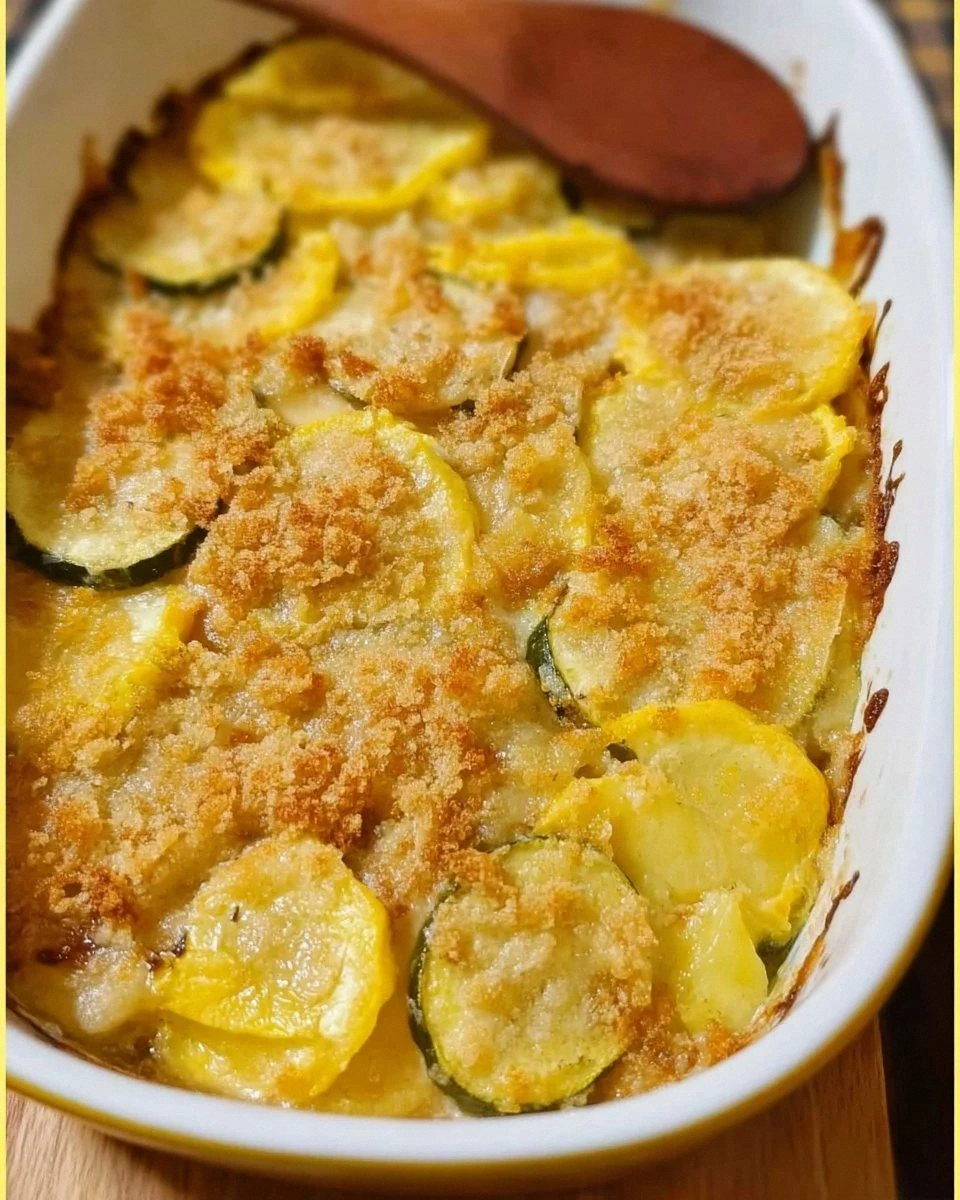
First, let’s set the scene. The kitchen fills with the faint, sweet perfume of sautéed onions, a hint of garlic powder that makes you think of grandma’s pantry, and the buttery sizzle of olive oil hitting a hot pan—that sizzle when it hits the pan? Absolute perfection. The yellow squash, sliced into perfect half‑moon discs, starts to soften, releasing a buttery, almost nutty aroma that mingles with the sharp bite of cheddar melting into a glossy, velvety sauce. You can hear the faint pop of the breadcrumbs as they toast, a sound that promises a crisp, crackling top. Your hands feel warm from the skillet, and your eyes are drawn to the bright orange‑gold hue of the dish as it bakes, like a sunrise trapped in a casserole dish.
Now, why does this version stand out from every other “squash casserole” you’ve ever Googled? Most recipes treat squash like an afterthought, slapping it in a dish with a bland sauce and a generic breadcrumb topping. I’m here to tell you that’s a crime against vegetables. This version layers flavors, textures, and a little culinary drama that turns a humble side into the star of the table. We’re talking about a sauce that hugs each slice of squash like a silk scarf, a cheese crust that shatters like thin ice when you dig in, and a breadcrumb topping that’s crisp enough to rival a fresh‑baked baguette. It’s the kind of dish that makes you want to shout, “I dare you to taste this and not go back for seconds.”
And just when you think you’ve heard it all, I’m about to drop a technique that most cooks completely overlook: the “double‑coat” method. First, we coat the squash in a light olive‑oil‑garlic mixture, then we give it a quick flash bake before the final assembly. This step locks in moisture, prevents sogginess, and creates a caramelized edge that sings with each bite. Trust me, once you try this, you’ll wonder how you ever tolerated a soggy casserole.
Let me walk you through every single step — by the end, you’ll wonder how you ever made it any other way.
What Makes This Version Stand Out
- Flavor Explosion: The combination of sharp cheddar, creamy milk, and a whisper of garlic powder creates a sauce that coats the squash like velvet, delivering a buttery richness that lingers on the palate.
- Texture Symphony: A crunchy breadcrumb crown sits atop a soft, custardy interior, giving you a satisfying contrast that makes each forkful feel like a mini celebration.
- Simplicity Meets Sophistication: Only ten ingredients, yet each one is treated with respect, turning a quick weeknight dinner into a gourmet experience.
- Unique Double‑Coat Technique: Flash‑baking the squash before assembling prevents soggy bottoms and adds caramelized edges that most recipes completely miss.
- Crowd‑Pleaser Factor: I’ve heard it called “the best side dish ever” at family gatherings, potlucks, and even on a date—yes, it’s that impressive.
- Ingredient Quality Matters: Fresh, firm yellow squash and sharp, aged cheddar make the difference between “good” and “mind‑blowing.”
- Make‑Ahead Friendly: Assemble the night before, refrigerate, and pop it in the oven when you’re ready—perfect for busy schedules.
- Versatile Base: Works as a side, a main for vegetarians, or even a brunch centerpiece with a poached egg on top.
Inside the Ingredient List
The Flavor Base
Yellow Squash (4 cups sliced): This is the heart of the dish. Its mild sweetness and buttery texture act like a blank canvas for the rich sauce. If you skip it, you lose the bright color and the subtle vegetal note that balances the cheese. Look for squash that’s firm, with a glossy skin—avoid any that feel rubbery or have soft spots. Pro tip: Choose squash that’s about the size of a tennis ball; they tend to have the perfect flesh‑to‑skin ratio.
Onions (1 cup, chopped): Onions bring a caramelized depth that underpins the entire flavor profile. Skipping them makes the casserole taste flat, like a song without a bass line. For a sweeter edge, use yellow onions and sauté them until they’re a deep amber. If you’re out of onions, a half‑cup of finely diced leeks works surprisingly well.
The Texture Crew
Cheddar Cheese (1 cup, shredded): This is where the magic happens. Sharp cheddar melts into a glossy, gooey blanket that clings to every squash slice. Using a milder cheese will result in a bland sauce; the sharpness is essential for that “wow” factor. For an extra kick, blend half sharp cheddar with half smoked gouda.
Breadcrumbs (1 cup): The breadcrumb topping creates that coveted crunch. Opt for panko for a lighter, airier crunch, or traditional breadcrumbs for a denser crust. If you’re gluten‑free, swap with crushed cornflakes or gluten‑free breadcrumbs—just keep the volume the same.
The Unexpected Star
Olive Oil (1 tablespoon): A drizzle of good‑quality extra‑virgin olive oil ensures the squash doesn’t stick and adds a subtle fruitiness. Using butter instead will give a richer flavor but can make the topping soggy if over‑mixed.
Garlic Powder (½ teaspoon) & Black Pepper (½ teaspoon): These spices are the secret whisperers that elevate the dish without shouting. Too much garlic overwhelms the delicate squash; a half‑teaspoon is perfect. Freshly cracked black pepper adds a gentle heat that lingers just enough to keep you interested.
The Final Flourish
Milk (1 cup) & Eggs (2 large): Together they form a custard‑like binder that turns the casserole into a silky, cohesive bake. The milk adds moisture, while the eggs provide structure. Skipping the eggs results in a watery dish that never sets; omitting the milk makes it dry and crumbly.
Salt to taste: Salt is the great equalizer. It amplifies every flavor, from the sweetness of the squash to the sharpness of the cheese. Taste as you go—if you’re using salted butter or cheese, you may need less.
Everything's prepped? Good. Let's get into the real action...
The Method — Step by Step
Preheat your oven to 375°F (190°C). While the oven warms, line a large baking sheet with parchment. This step ensures even heat distribution and prevents the squash from sticking—trust me, a sticky bottom is a nightmare you don’t want.
In a large bowl, toss the sliced squash with the olive oil, garlic powder, black pepper, and a pinch of salt. Coat each piece evenly; the oil will help the squash caramelize during the flash‑bake. Okay, ready for the game‑changer? Spread the squash in a single layer on the prepared sheet.
Slide the squash into the oven for just 8‑10 minutes—just enough to get a light golden edge. You’ll hear a faint sizzle that signals the sugars are beginning to caramelize.
Kitchen Hack: Use a convection setting if you have it; it speeds up the caramelization and gives you an even color.While the squash is flashing, heat a skillet over medium heat and sauté the chopped onions in a splash of olive oil until they turn translucent and start to brown at the edges. This should take about 5‑7 minutes. This next part? Pure magic. The aroma will fill your kitchen, making you wonder why you ever ate plain onions.
In a mixing bowl, whisk together the milk, eggs, and a generous pinch of salt. Slowly pour this custard mixture over the sautéed onions, stirring constantly to avoid curdling. The mixture should look smooth and slightly thick—if it looks too runny, add a tablespoon of flour to bind.
Combine the flash‑baked squash, the onion‑custard mixture, and half of the shredded cheddar in a large casserole dish. Stir gently to coat every piece; you want the sauce to cling without breaking the squash’s shape.
Sprinkle the remaining cheddar evenly over the top, followed by the breadcrumbs. Press the breadcrumbs lightly with the back of a spoon to ensure they adhere during baking.
- Watch Out: Do not over‑bake the breadcrumbs; they’ll burn quickly. Keep a close eye after the 20‑minute mark.
Place the casserole in the oven and bake for 20‑25 minutes, or until the top is golden brown and the edges are bubbling. You’ll know it’s done when the cheese crust cracks like thin ice under a gentle pressure.
Remove from the oven and let it rest for 5 minutes. This short rest lets the custard set, making it easier to slice without the layers sliding apart. And now the fun part. Serve hot, and watch the smiles appear.
That's it — you did it. But hold on, I've got a few more tricks that'll take this to another level...
Insider Tricks for Flawless Results
The Temperature Rule Nobody Follows
Most home cooks bake at 350°F, but raising the heat to 375°F creates a rapid caramelization on the squash while keeping the interior custardy. I once baked at 400°F and the breadcrumbs burnt before the cheese melted—lesson learned. Keep a close eye after the 20‑minute mark, and you’ll get that perfect golden crown.
Why Your Nose Knows Best
Don’t rely solely on timers; trust your sense of smell. When the casserole starts to emit a nutty, toasted aroma, that’s the signal the breadcrumb topping is reaching its peak. If you catch a faint burnt scent, pull it out immediately—over‑baking ruins the delicate balance.
The 5‑Minute Rest That Changes Everything
Resist the urge to dive in right away. Letting the casserole sit for five minutes lets the custard firm up, so each slice holds together like a well‑constructed puzzle piece. Skipping this step is like trying to cut a soft‑boiled egg—messy and disappointing.
Cheese Distribution Mastery
Instead of dumping all the cheese on top, I split it: half goes into the mixture, half on top. This ensures every bite has melty cheese throughout, while the top layer forms that irresistible crust. A friend tried putting all the cheese on top once—she ended up with a gooey mess and a soggy interior. Not a good look.
Breadcrumb Boost
For a flavor punch, mix a teaspoon of grated Parmesan into the breadcrumbs before sprinkling. The umami from the Parmesan amplifies the overall taste, turning a simple topping into a flavor bomb.
Creative Twists and Variations
This recipe is a playground. Here are some of my favorite ways to switch things up:
Spicy Jalapeño Kick
Add one finely diced jalapeño to the onion sauté and sprinkle a pinch of cayenne into the custard. The heat cuts through the richness, making it perfect for those who love a little fire.
Mushroom Medley
Swap half of the squash for sautéed cremini mushrooms. The earthy flavor pairs beautifully with the cheddar, creating a more robust, autumn‑ready dish.
Herb‑Infused Delight
Stir in a tablespoon of fresh chopped thyme or rosemary into the breadcrumb topping. The herbaceous notes lift the whole casserole, giving it a fresh garden vibe.
Vegan Version
Replace the cheddar with a sharp vegan cheese, use almond milk instead of dairy, and swap the eggs for a flax‑egg mixture (1 tbsp ground flax + 3 tbsp water). The texture remains creamy, and the flavor stays bold.
Breakfast Casserole
Mix in a cup of diced cooked bacon and top with a poached egg right before serving. The salty crunch of bacon and the runny yolk turn this into a hearty brunch centerpiece.
Cheesy Crust Upgrade
Combine the breadcrumbs with crushed cornflakes and a drizzle of melted butter for an ultra‑crunchy topping that shatters like glass when you bite into it.
Storing and Bringing It Back to Life
Fridge Storage
Allow the casserole to cool completely, then cover tightly with foil or a reusable lid. It keeps fresh for up to 4 days. Reheat a single slice in the microwave (1 minute) or the oven (350°F for 10‑12 minutes). Add a tiny splash of milk before reheating to restore moisture.
Freezer Friendly
Portion the casserole into freezer‑safe containers, wrap with a double layer of plastic wrap, then foil. It freezes beautifully for up to 3 months. Thaw overnight in the fridge, then bake at 375°F for 20 minutes, uncovered, to revive the crisp topping.
Best Reheating Method
For the ultimate crunch, reheat in a preheated oven rather than a microwave. Place the slice on a baking sheet, cover loosely with foil for the first 5 minutes to warm through, then remove the foil and bake another 5 minutes until the top is golden again. A splash of water on the edges creates steam that keeps the interior moist.