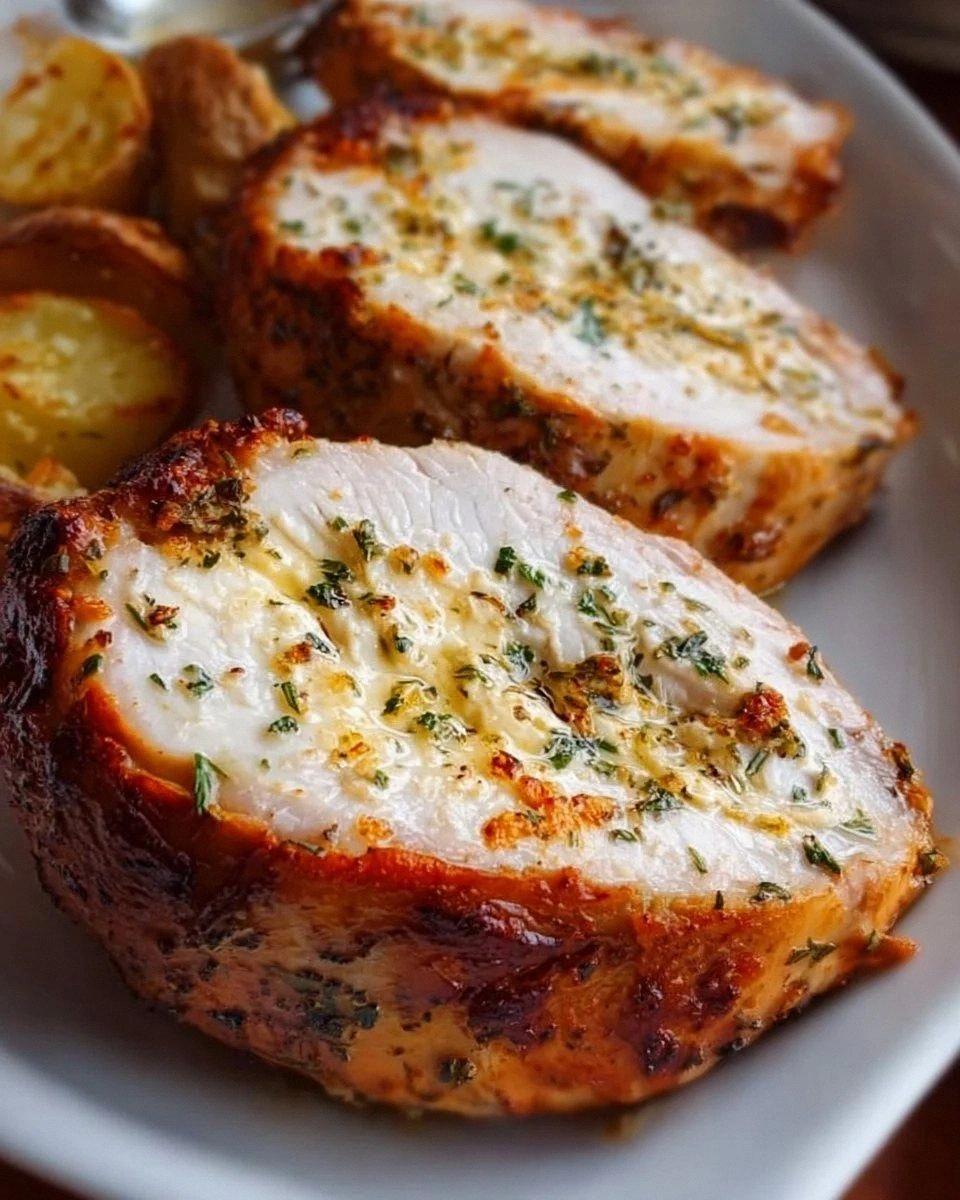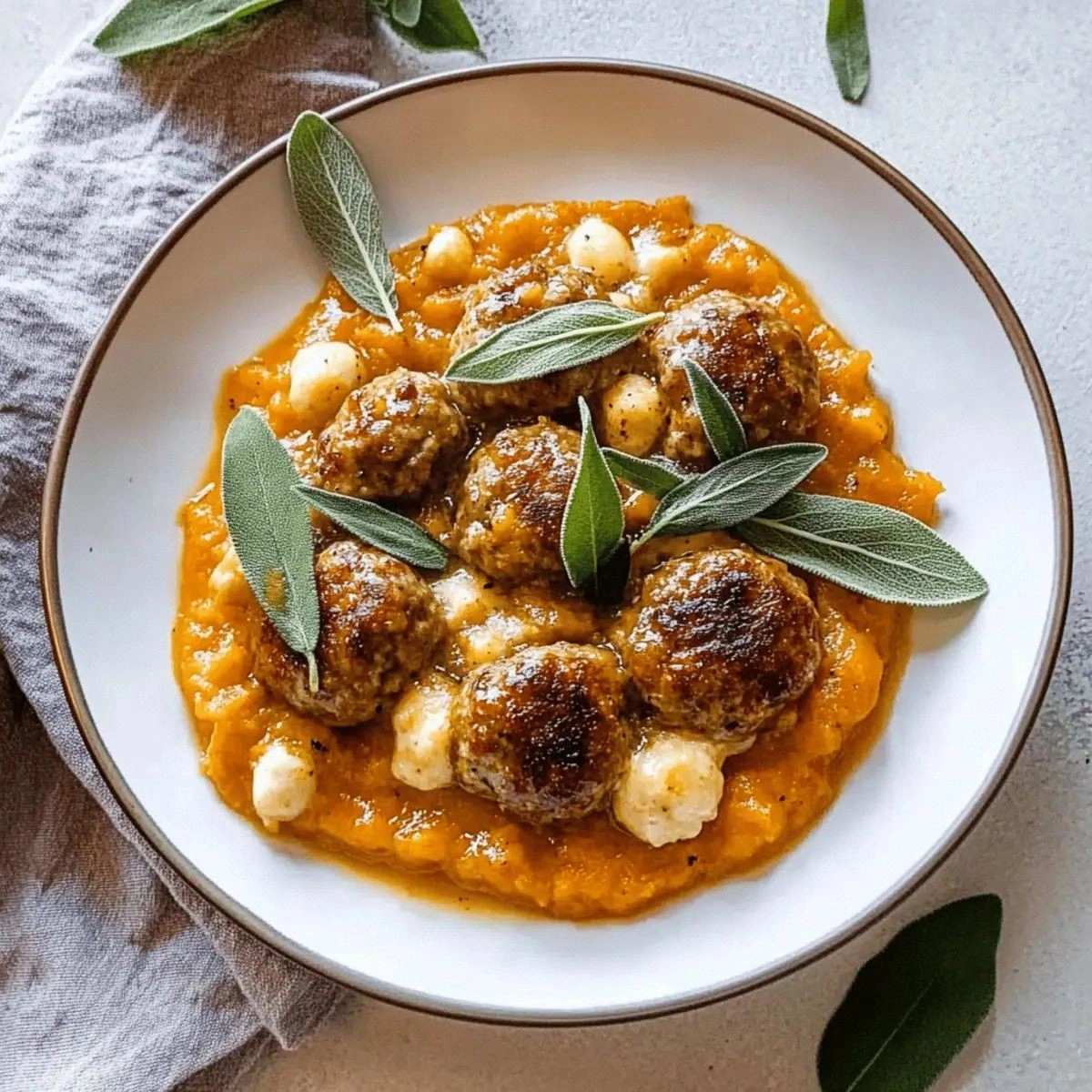
Picture this: it’s a rainy Tuesday night, the kind where the kitchen feels like a cozy bunker against the storm outside, and I’m standing over a splattered cutting board after a failed attempt at a bland meatball that could have been used as a paperweight. I tossed in a pinch of salt, a dash of pepper, and honestly, I was about to give up when my roommate dared me, “I bet you can’t make something that actually tastes like autumn in a bowl.” I laughed, rolled up my sleeves, and thought, “Challenge accepted.” That moment sparked the birth of what I now call the ultimate comfort dish—Savory Turkey Meatballs in Pumpkin Sage Sauce Delight.
The first whiff that hit me was the sweet, earthy perfume of pumpkin mingling with the herbaceous snap of fresh sage, a scent that instantly made my mind travel to a pumpkin patch at golden hour. The kitchen filled with the sound of sizzling meatballs, a gentle crackle that promised a crispy exterior, while the sauce simmered with a low, steady hum, thickening like a velvety blanket. My hands felt warm against the bowl as I mixed the turkey with breadcrumbs and cheese, the texture smooth yet gritty, promising a perfect bite. The sauce, creamy and orange‑gold, clung to each meatball like a lover’s embrace, delivering a flavor punch that was both savory and sweet, with a whisper of nutmeg that lingered on the palate.
What makes this version truly stand out is the meticulous balance of lean turkey and the richness of pumpkin‑infused cream, a combination most recipes overlook or overcomplicate with heavy cream alone. I swapped out generic Italian seasoning for a duo of fresh sage and a splash of heavy cream, creating layers that dance on your tongue. The secret? A quick flash‑sear that locks in juices before the gentle simmer in the sauce—most cooks skip this step and end up with soggy, flavor‑less balls. And the best part? You only need a handful of pantry staples and a couple of fresh herbs to pull off a dish that feels like a five‑star restaurant special.
Let me walk you through every single step — by the end, you’ll wonder how you ever made it any other way. I dare you to taste this and not go back for seconds. Ready for the game‑changer? Okay, ready for the game‑changer?
What Makes This Version Stand Out
- Flavor Fusion: The pumpkin and sage create a sweet‑savory harmony that elevates turkey from ordinary to unforgettable, delivering a taste that feels both rustic and refined.
- Texture Triumph: A quick sear gives each meatball a caramelized crust, while the interior stays tender and juicy, a contrast that most baked‑only recipes miss.
- Simplicity Wins: Fewer than ten ingredients, no fancy equipment, and a prep time under 20 minutes make this a weeknight hero without sacrificing depth.
- Unique Ingredient: Fresh pumpkin puree adds natural sweetness and a silky body to the sauce, avoiding the processed flavor of canned soups.
- Crowd Magnet: Even picky eaters love it; the subtle herb notes and creamy sauce disguise the lean turkey, turning skeptics into fans.
- Ingredient Quality: Using ground turkey with a touch of fat (80/20) ensures moist meatballs, while fresh sage delivers an aromatic punch you can’t get from dried.
- Cooking Method: The two‑step process—sear then simmer—creates layers of flavor that a single‑method approach can’t achieve.
- Make‑Ahead Magic: You can form and freeze the raw meatballs, then finish them directly in the sauce later, perfect for busy weeks.
Inside the Ingredient List
The Flavor Base
Fresh sage is the star of the sauce, its peppery, slightly citrusy notes cutting through the richness of pumpkin and cream. If you skip it, the sauce loses its signature autumnal edge and can taste flat. A good swap is rosemary, but expect a piney flavor shift. When selecting sage, look for deep green leaves with a firm texture; wilted leaves will taste bitter.
Italian seasoning adds a balanced blend of oregano, thyme, and basil, rounding out the herb profile. You could replace it with a pinch of fennel seeds for a subtle anise twist, but the classic mix works best for that familiar comfort vibe. Choose a fresh‑ground version for maximum aroma—store‑bought pre‑mixed often loses potency after a few months.
The Texture Crew
Ground turkey provides a lean, protein‑packed foundation, but the key is to pick a blend with a little fat (about 20%). Purely lean turkey can dry out, especially after searing. If you can’t find 80/20 turkey, mix in a tablespoon of olive oil to mimic the moisture.
Fresh breadcrumbs act as a binder while adding a light, airy texture. They soak up the milk, keeping the meatballs tender. Should you be out of fresh breadcrumbs, use panko or even crushed crackers; just pulse them in a food processor to avoid large chunks.
Milk (¼ cup) hydrates the breadcrumbs, creating a cohesive mixture that holds together during the sear. Skipping the milk results in crumbly balls that fall apart in the pan. For dairy‑free, substitute with unsweetened almond milk; the flavor shift is minimal.
The Unexpected Star
Pumpkin puree is the sauce’s soul, delivering natural sweetness and a velvety mouthfeel without any added thickeners. Using canned pumpkin is fine, but for extra depth, roast a small sugar pumpkin and blend it yourself. If you’re allergic to pumpkin, try butternut squash puree; it mimics the texture and offers a slightly nutty flavor.
Heavy cream (½ cup) enriches the sauce, giving it that luxurious finish. A splash of cream at the end prevents the sauce from becoming grainy. For a lighter version, swap half the cream for low‑fat milk, but expect a thinner sauce.
The Final Flourish
Parmesan cheese adds a salty, umami boost that ties the sauce and meatballs together. Grate it fresh for maximum melt; pre‑grated can be gritty. If you’re avoiding dairy, nutritional yeast offers a cheesy note without the dairy.
Garlic and onion provide the aromatic foundation. Minced garlic releases its pungent oils quickly, while finely minced onion dissolves into the meat mixture, adding subtle sweetness. Over‑cooking garlic can make it bitter, so keep an eye on the heat.
Everything's prepped? Good. Let’s get into the real action…
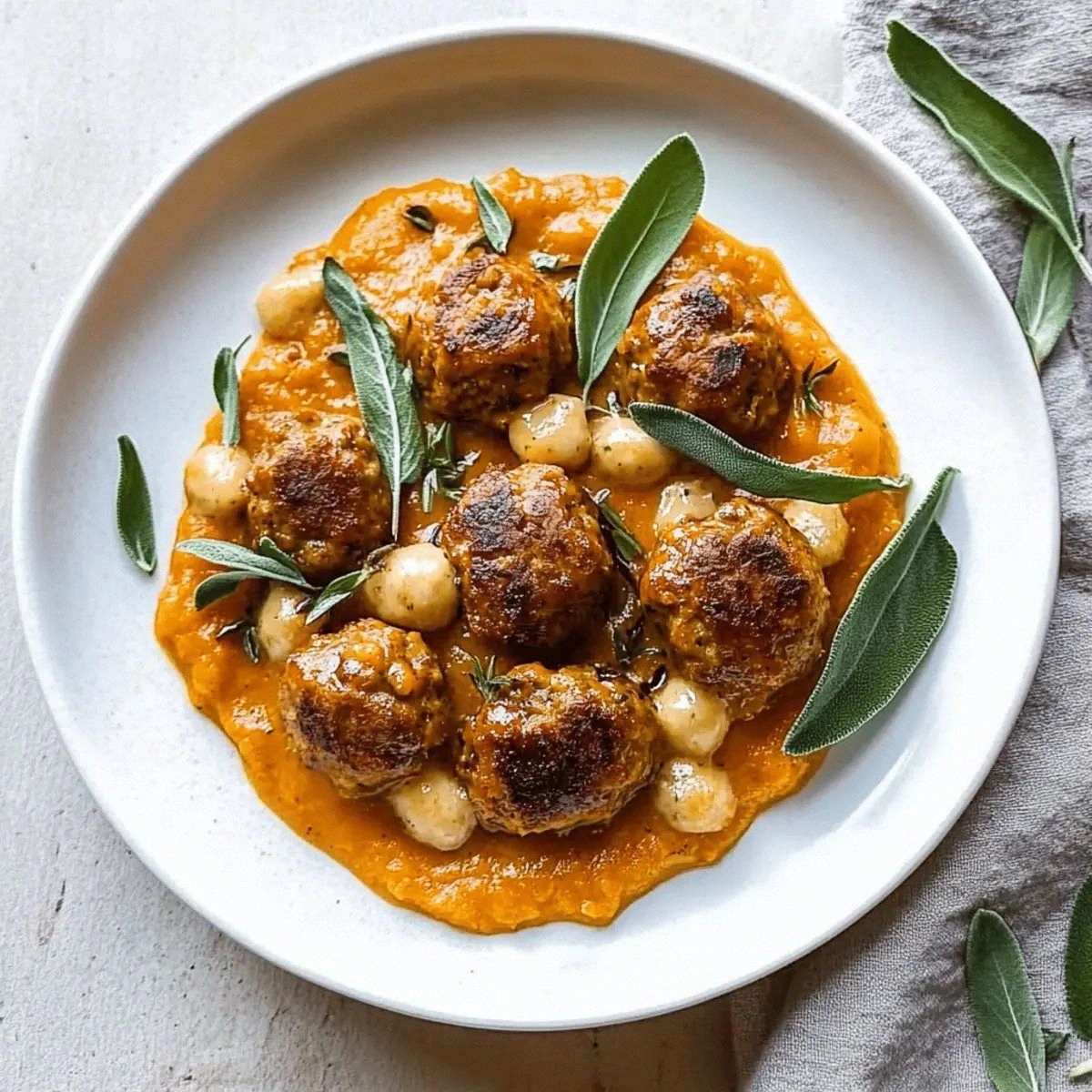
The Method — Step by Step
Start by gathering all your ingredients and setting up a mise en place station. In a large bowl, combine the ground turkey, fresh breadcrumbs, milk, finely minced onion, and garlic. Sprinkle in the Parmesan, Italian seasoning, and the fresh sage, then crack in the egg. Mix everything with your hands—yes, get a little messy; the tactile connection ensures the meat stays cohesive. The mixture should feel slightly sticky but not wet; if it’s too dry, add a splash more milk.
Form the mixture into uniform meatballs, about 1½ inches in diameter. This is where the Kitchen Hack comes in: dip your hands in the ice water you prepared earlier; the cold keeps the turkey from warming up and makes shaping smoother. Place the balls on a parchment‑lined tray, covering them loosely with plastic wrap while you finish the sauce. Watch Out: If you over‑pack the meatballs, they’ll become dense and lose that airy bite you’re after.
Heat a large skillet over medium‑high heat and add a generous drizzle of olive oil—just enough to coat the bottom. When the oil shimmers, add the meatballs in a single layer, giving them room to breathe. You’ll hear a satisfying sizzle; that’s the sound of flavor building. Let them sear undisturbed for about 2‑3 minutes until the bottoms turn deep amber. Flip them gently with tongs, searing the other side for another 2 minutes. Remember, the goal isn’t to cook them through now, just to lock in juices.
While the meatballs are searing, start the sauce in the same pan—yes, the same pan! This saves dishes and captures all the browned bits (fond) left from the meat. Reduce the heat to medium, then pour in the canned pumpkin puree, stirring to deglaze the pan. Use a wooden spoon to scrape up any caramelized bits; they’re flavor gold. Once the pumpkin is smooth, stir in the heavy cream, letting it swirl into a glossy river.
Now sprinkle in the remaining fresh sage, letting its aroma rise like incense. Bring the sauce to a gentle simmer; you’ll see tiny bubbles forming at the edges. Reduce the heat to low, then return the seared meatballs to the pan, nestling them into the sauce. Cover the skillet and let everything simmer for 12‑15 minutes. The meatballs will finish cooking, absorbing the pumpkin‑sage essence, while the sauce thickens to a silky coating.
After the simmer, uncover the pan and give the sauce a final stir. It should be thick enough to coat the back of a spoon—think velvet, not soup. Taste and adjust seasoning with salt and a pinch of black pepper; the sage will become more pronounced as it rests. If you love a hint of sweetness, add a drizzle of maple syrup—just a teaspoon.
Turn off the heat and let the dish rest for five minutes. This rest period allows the flavors to meld, turning good into unforgettable. While you wait, set the table, pour a glass of crisp white wine, and admire the deep orange glow of the sauce. The anticipation builds, and trust me, you’ll be rewarded.
Serve the meatballs over a bed of buttery mashed potatoes, creamy polenta, or even a simple arugula salad for contrast. Garnish with a sprinkle of extra Parmesan and a few fresh sage leaves for that picture‑perfect finish. That sizzle when it hits the plate? Absolute perfection. And now the fun part—dig in and watch everyone ask for seconds.
That's it — you did it. But hold on, I've got a few more tricks that'll take this to another level…
Insider Tricks for Flawless Results
The Temperature Rule Nobody Follows
Never let your meat mixture sit at room temperature for more than five minutes. Cold meat stays firm, ensuring the meatballs hold their shape during searing. If you notice the mixture getting warm, pop it back in the fridge for a quick chill. A friend once left the bowl out for 20 minutes and ended up with mushy meatballs that fell apart like wet sand—lesson learned.
Why Your Nose Knows Best
Trust the aroma as your guide. When the pumpkin sauce starts to release a nutty, sweet scent, you’re close to perfect thickness. If you smell a raw pumpkin note, it needs a few more minutes of simmer. Conversely, a burnt scent means you’ve turned the heat too high—lower it immediately and stir in a splash of cream.
The 5‑Minute Rest That Changes Everything
After cooking, let the meatballs rest uncovered for five minutes. This pause lets the juices redistribute, preventing them from spilling out when you bite. It also allows the sage to mellow, turning sharp edges into a subtle background harmony. Skipping this step is a common mistake; you’ll end up with dry bites and a sauce that feels a bit harsh.
Seasonal Swap Sensation
If you’re cooking in summer, swap pumpkin for roasted red pepper puree and add a pinch of smoked paprika. The sauce becomes bright and smoky, perfect for backyard barbecues. The method stays the same; only the flavor profile shifts, proving the recipe’s versatility.
Freezer‑Friendly Finish
Form and freeze the raw meatballs on a tray, then transfer to a zip‑top bag. When you’re ready, drop them straight into the simmering sauce—no thawing needed. They’ll cook through in about 20 minutes, absorbing the sauce’s flavor as they thaw. This trick saved me on a hectic week, and it works like a charm.
Creative Twists and Variations
This recipe is a playground. Here are some of my favorite ways to switch things up:
Spicy Autumn Blaze
Add a teaspoon of chipotle in adobo sauce to the pumpkin mixture and a pinch of cayenne to the meatball blend. The heat pairs beautifully with the sweet pumpkin, creating a warming fire that’s perfect for chilly evenings.
Herbaceous Medley
Swap half the sage for fresh thyme and a handful of chopped rosemary. The combination yields a woodsy aroma that feels like a forest walk, ideal for guests who love robust herb flavors.
Cheese Lover’s Dream
Stir in ½ cup of shredded mozzarella into the sauce at the end of cooking. The cheese melts into gooey ribbons, adding a stretchy texture that makes each bite extra indulgent.
Vegan Victory
Replace ground turkey with a mix of lentils and finely chopped walnuts, use oat milk instead of dairy, and swap Parmesan for nutritional yeast. The sauce stays creamy with coconut cream, and the result is a plant‑based masterpiece that still feels hearty.
Asian Fusion
Introduce a splash of soy sauce and a drizzle of sesame oil to the sauce, and garnish with toasted sesame seeds and thinly sliced scallions. The umami depth adds a surprising twist that will wow anyone expecting a classic Italian‑American dish.
Storing and Bringing It Back to Life
Fridge Storage
Allow the dish to cool to room temperature, then transfer it to an airtight container. It will keep for up to three days. When reheating, place the meatballs and sauce in a saucepan over low heat, adding a splash of water or broth to revive the sauce’s silky texture.
Freezer Friendly
Separate the meatballs and sauce. Freeze the raw meatballs on a tray, then move them to a zip‑top bag once solid. Freeze the sauce in a freezer‑safe container. To reheat, drop frozen meatballs into a simmering pot of sauce; they’ll finish cooking while the sauce thaws, preserving flavor.
Best Reheating Method
For the ultimate reheated experience, use a gentle stovetop simmer rather than a microwave. Add a tablespoon of water or broth, cover, and stir occasionally for five minutes. This method prevents the sauce from drying out and keeps the meatballs juicy.