I’ll be honest — I once tried to roast a turkey breast the night before Thanksgiving and ended up with a dry, flavor‑less slab that could have been used as a doorstop. The kitchen smelled like burnt regret, the timer beeped like a mocking alarm, and I swore I’d never touch poultry again. Then a daring friend challenged me: “Make a turkey breast that’s juicy enough to make a grown man weep, and do it without a fancy brine.” I accepted, rolled up my sleeves, and set out on a quest that turned a simple bird into a masterpiece that could stand shoulder‑to‑shoulder with any holiday centerpiece.
Picture this: the oven humming at a steady 375°F, the air thick with the perfume of garlic, paprika, and fresh rosemary, and a golden‑brown skin crackling like a campfire on a crisp autumn night. The turkey breast, coated in a glossy olive‑oil glaze, glistens as it roasts, its juices bubbling beneath the skin, promising a fork‑tender bite that practically melts in your mouth. When you finally pull it out, the kitchen is a vortex of steam, caramelized aromatics, and the faint, comforting scent of roasted carrots and potatoes if you chose to add them. That moment? Pure cinematic gold — the kind of scene you replay in your head while the turkey rests, its meat pulling away from the bone with the slightest nudge.
Most recipes get this completely wrong. They either drown the bird in a soggy brine that leaves the skin rubbery, or they slap on a bland rub and hope for the best. The secret here is a three‑step dance: a light oil coat, a precise spice blend, and a strategic roasting temperature that creates a crisp, crackling exterior while keeping the interior buttery soft. I dare you to taste this and not go back for seconds; the balance of salty, savory, and subtly sweet is so spot‑on that you’ll start questioning every other poultry dish you’ve ever eaten.
And now the fun part. I’m about to spill the beans on a technique most home cooks overlook: a quick, high‑heat sear before the gentle roast. This step creates a flavor‑packed crust that locks in moisture, turning an ordinary turkey breast into a show‑stopping star. Let me walk you through every single step — by the end, you’ll wonder how you ever made it any other way.
What Makes This Version Stand Out
- Juicy Core: A brief sear at 450°F creates a barrier that traps juices, so the meat stays moist even after 30 minutes of roasting.
- Flavor Bomb: The blend of garlic powder, onion powder, and paprika builds layers of taste that unfold with every bite.
- Crispy Skin: Olive oil and high heat give the skin that satisfying crackle, reminiscent of a perfectly fried chicken drumstick.
- Simplicity: Only eight pantry staples plus fresh herbs are needed, making it a weeknight hero without the holiday hassle.
- Versatility: Roast it solo, or surround it with carrots and potatoes for a one‑pan wonder that feeds a crowd.
- Make‑Ahead Friendly: The bird can be cooked ahead of time, rested, and gently reheated without losing its magic.
- Visual Wow‑Factor: A deep golden glaze that shines through the kitchen lights, perfect for Instagram bragging rights.
- Budget‑Smart: A single turkey breast costs less than a dozen chicken breasts, yet delivers a richer, more festive feel.
Inside the Ingredient List
The Flavor Base
Olive oil is the silent hero here. Its fruity notes amplify the spices while providing the necessary fat to conduct heat evenly across the skin. Skipping the oil would leave you with a dry, uneven crust that looks like a sad, pale pancake. If you’re out of extra‑virgin, a light drizzle of melted butter works too, but expect a richer, slightly buttery aftertaste.
The Spice Crew
Garlic powder and onion powder form the aromatic backbone. They dissolve into the oil, creating a fragrant veil that seeps into the meat. Too much garlic can overwhelm, so the measured two teaspoons strike the perfect balance. Paprika adds a subtle smoky undertone and a gorgeous reddish hue; swapping it for smoked paprika will crank the smokiness up a notch.
Salt and black pepper are the classic duo that awaken the palate. The two teaspoons of salt are calibrated for a 3‑4‑pound breast; adjusting the bird’s size means scaling the salt proportionally. If you prefer a milder profile, reduce the pepper to half a teaspoon, but you’ll miss that gentle heat that makes the skin sing.
The Unexpected Star
Fresh herbs like rosemary and thyme aren’t just garnish; they infuse the meat with piney, earthy notes that echo the autumn forest floor. Toss a few sprigs into the roasting pan, and their aromatics will rise with the steam, permeating every bite. If you’re out of fresh herbs, dried versions work, but use only a third of the amount — dried herbs are concentrated.
The Final Flourish
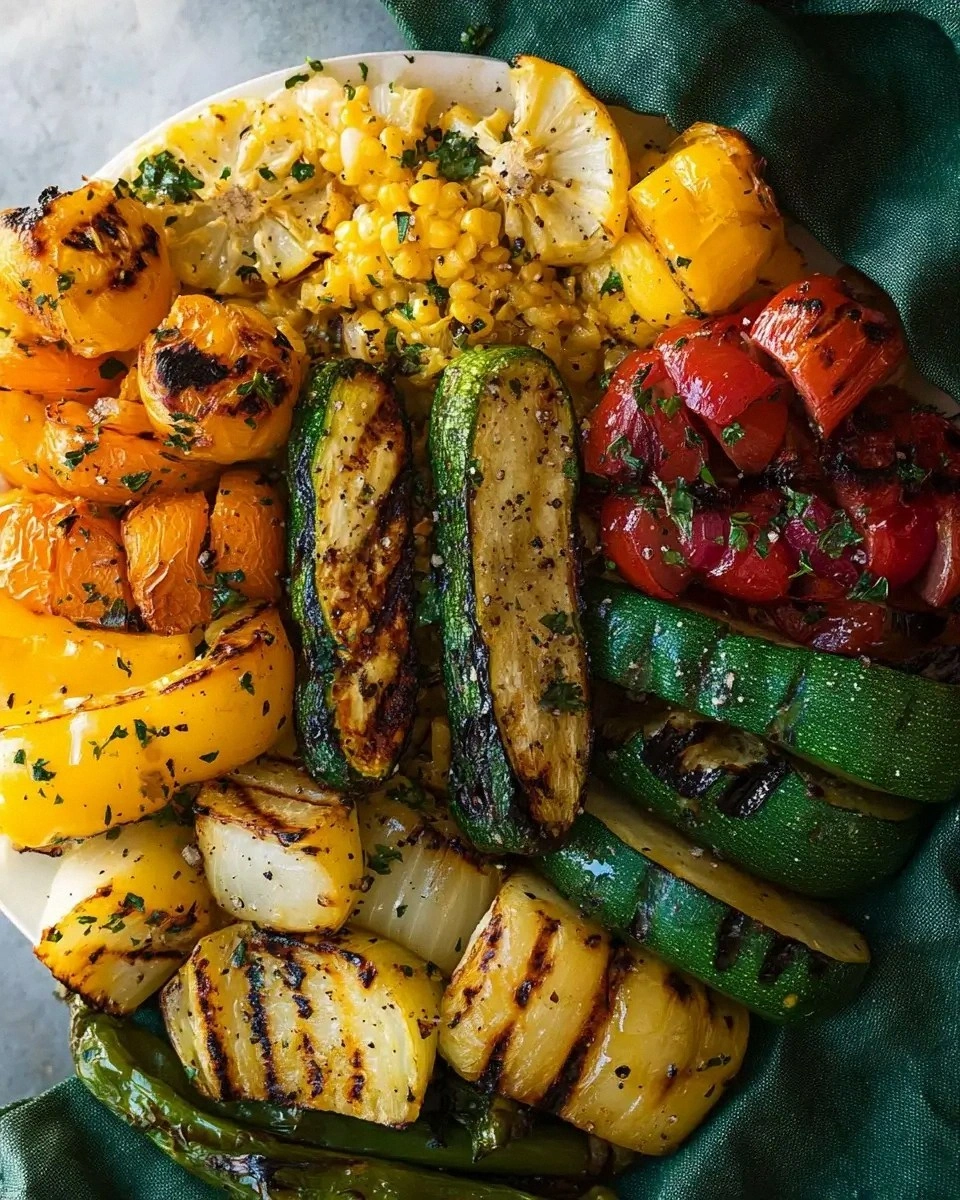
Vegetables like carrots and potatoes are optional, but they transform a single‑bird dish into a hearty, one‑pan dinner. Their natural sugars caramelize alongside the turkey, creating a sweet‑savory side that’s ready to serve straight from the pan. Cut them into uniform chunks so they roast evenly, and drizzle a little extra olive oil to ensure they crisp up nicely.
When selecting the turkey breast, look for a firm, pink flesh with a thin layer of skin. Avoid any that appear gray or have a strong odor — those are signs of age. If possible, ask the butcher for a breast with the skin left on; the skin is essential for that coveted crackle.
Everything's prepped? Good. Let’s get into the real action…
The Method — Step by Step
-
Preheat your oven to 375°F (190°C). While the oven warms, place the turkey breast on a clean cutting board and pat it dry with paper towels. This step is crucial: moisture on the surface will steam the skin instead of crisping it.
Once dry, drizzle the 1/4 cup olive oil over the entire surface, using your hands to massage it in like you’re giving the bird a spa treatment. The oil should coat the skin evenly, creating a thin sheen that will later turn into a glossy crust.
Kitchen Hack: Mix the oil with the spices before applying; this ensures every speck of paprika and garlic powder sticks to the meat. -
In a small bowl, combine 2 teaspoons salt, 1 teaspoon black pepper, 2 teaspoons garlic powder, 1 teaspoon onion powder, and 1 teaspoon paprika. Stir until the mixture resembles a fine, earthy dust.
Rub the spice blend all over the breast, making sure to get into the crevices and under the skin where possible. The aroma should already be making your mouth water — that’s the scent of anticipation.
-
If you’re adding vegetables, scatter chopped carrots, potatoes, and any other root veg around the breast on a large roasting pan. Drizzle a little extra olive oil over the veg, season with a pinch of salt and pepper, and toss to coat.
Place a few sprigs of rosemary and thyme on top of the turkey and among the vegetables. Their essential oils will rise with the steam, infusing the entire pan with forest‑fresh fragrance.
-
Now comes the high‑heat sear: push the oven rack to the top third and increase the temperature to 450°F (230°C) for just 10 minutes. This blast of heat will start the Maillard reaction, giving the skin that coveted caramelized crunch.
Watch the skin closely; you’ll see it begin to blister and turn a deep golden‑amber. That sizzle when it hits the pan? Absolute perfection.
Watch Out: Do not let the turkey sit too long at 450°F or the skin will burn before the interior reaches safe temperature. -
After the 10‑minute blast, lower the oven temperature back to 375°F (190°C) and continue roasting for another 20‑25 minutes. The exact time depends on the bird’s weight; aim for an internal temperature of 165°F (74°C) measured at the thickest part.
During this phase, the meat will gently cook, the juices will redistribute, and the vegetables will become tender. If you’re using a meat thermometer, you’ll see the needle creep up steadily — a visual cue that the magic is happening.
-
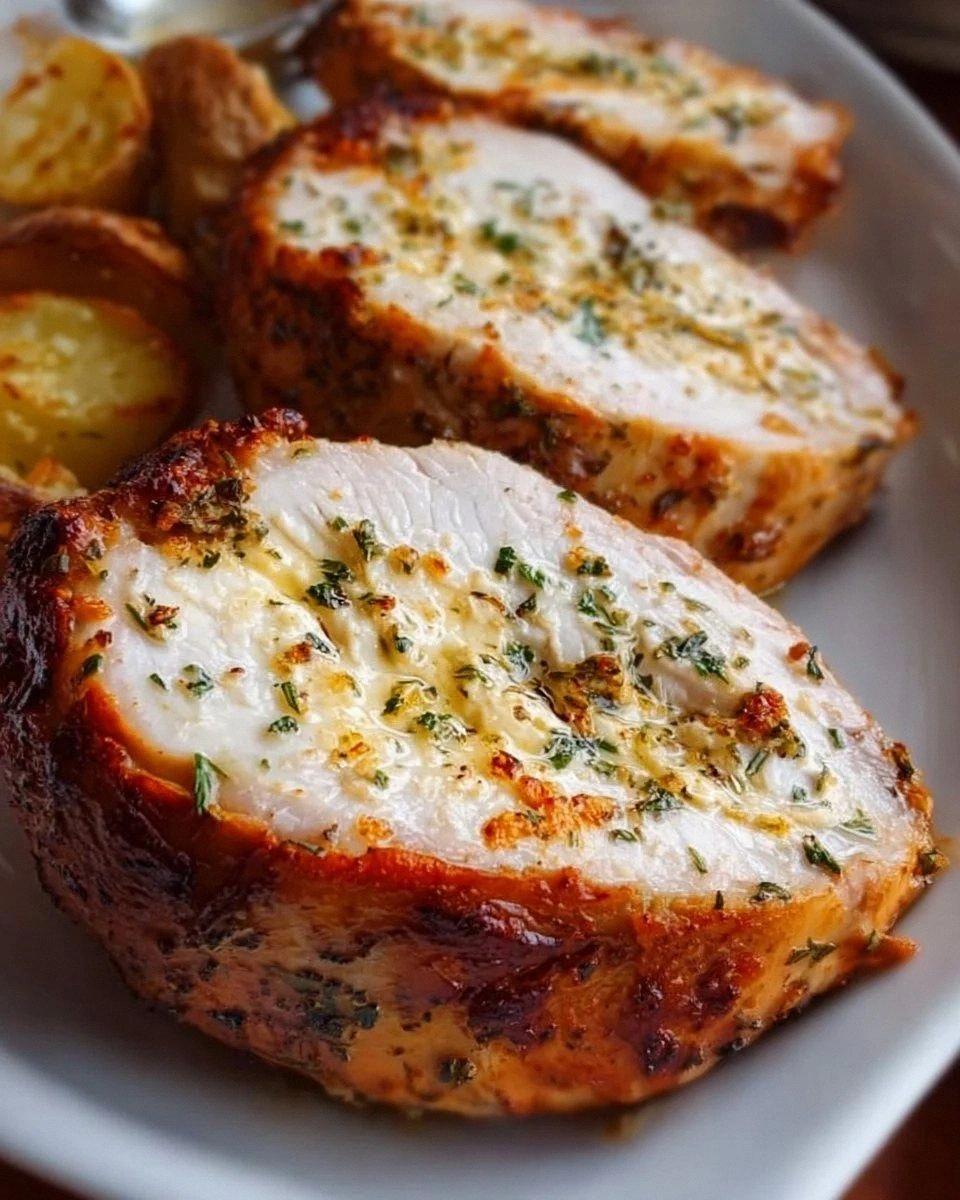
When the thermometer hits 165°F, pull the pan out of the oven. The skin should be a deep, glossy mahogany, and the vegetables should be caramelized at the edges, looking like they’ve been kissed by a summer sunset.
Transfer the turkey breast to a cutting board and tent it loosely with foil. Let it rest for at least 10 minutes; this rest period lets the juices settle, turning each slice into a succulent, melt‑in‑your‑mouth experience.
-
While the bird rests, give the pan juices a quick skim to remove excess fat, then drizzle a splash of fresh lemon juice or a drizzle of extra‑virgin olive oil to brighten the flavor. This is the moment of truth — the sauce should be glossy, slightly thickened, and smelling like a forest after rain.
If you love a little sauce, whisk a teaspoon of Dijon mustard into the pan juices; the tang will cut through the richness beautifully.
-
Carve the turkey breast against the grain into ½‑inch slices. The meat should pull apart easily, revealing a pink‑just‑right interior that’s juicy and fragrant.
Arrange the slices on a serving platter, garnish with the remaining fresh herbs, and surround them with the roasted vegetables. Picture yourself pulling this out of the oven, the whole kitchen smelling incredible… and then dig in.
Kitchen Hack: Use a sharp carving knife and slice at a slight angle; this creates larger surface area for the sauce to cling to.
That's it — you did it. But hold on, I've got a few more tricks that'll take this to another level…
Insider Tricks for Flawless Results
The Temperature Rule Nobody Follows
Most home cooks set a single temperature and forget about it. The truth is, a hot start followed by a moderate finish creates the perfect skin‑to‑meat ratio. The initial 450°F blast locks in juices, while the lower 375°F finish cooks the interior evenly without drying it out. I once tried roasting at a steady 400°F and ended up with a soggy rind — lesson learned.
Why Your Nose Knows Best
Your sense of smell is a more reliable doneness indicator than a timer. When the aromatics turn from sweet to slightly nutty, you know the Maillard reaction is at its peak. If you catch that subtle hint of toasted paprika, you’re right on cue to lower the heat. Trust your nose; it’s the culinary GPS you’ve been ignoring.
The 5‑Minute Rest That Changes Everything
Resting isn’t just a polite pause; it’s a science. As the turkey rests, the muscle fibers relax and reabsorb the juices they expelled during cooking. Skipping this step is like cutting into a steak and watching the juices run straight onto the plate. Ten minutes is enough to turn a good bird into a great one.
Veggie Placement Magic
If you’re adding carrots and potatoes, place them on the lower rack of the pan, directly under the turkey. The drippings will cascade onto them, infusing each bite with the bird’s flavor. A friend tried tossing the veg on top once — they ended up soggy and bland. Bottom placement is the secret to caramelized, flavor‑packed sides.
The Final Glaze Touch
A quick brush of honey or maple syrup during the last five minutes of roasting adds a subtle sweetness that balances the savory spices. It also gives the skin an extra sheen, making it look restaurant‑ready. Be careful not to overdo it; a thin glaze is all you need.
Creative Twists and Variations
This recipe is a playground. Here are some of my favorite ways to switch things up:
Maple‑Mustard Glaze
Swap the olive oil for melted butter and whisk in 2 tablespoons of pure maple syrup with 1 teaspoon of Dijon mustard. The result is a sweet‑tangy crust that pairs beautifully with roasted sweet potatoes. Perfect for a cozy fall dinner.
Spicy Chipotle Rub
Add 1 teaspoon of chipotle powder and a pinch of cayenne to the spice blend. The smoky heat elevates the turkey, making it a hit for those who love a little kick. Serve with a cooling avocado salsa to balance the fire.
Herb‑Infused Butter Basting
Melt 3 tablespoons of butter with minced rosemary, thyme, and a clove of garlic. Baste the turkey every 10 minutes during the lower‑heat phase. This creates an ultra‑rich, aromatic layer that makes the meat practically melt in your mouth.
Citrus‑Herb Marinade
Combine orange zest, lemon juice, chopped sage, and a splash of olive oil. Marinate the breast for two hours before cooking. The citrus brightens the flavor profile, turning the dish into a spring‑time delight.
Mediterranean Veggie Bed
Instead of carrots and potatoes, use a mix of zucchini, bell peppers, and olives. Toss with oregano and a drizzle of balsamic reduction. The veggies become caramelized companions that turn the meal into a Mediterranean feast.
Storing and Bringing It Back to Life
Fridge Storage
Let the turkey cool to room temperature, then slice and store in an airtight container. It will keep fresh for up to 4 days. Add a thin layer of the pan juices on top before sealing; this prevents the meat from drying out.
Freezer Friendly
Portion the sliced turkey into freezer‑safe bags, removing as much air as possible. Freeze for up to 3 months. When ready to use, thaw overnight in the refrigerator and reheat gently.
Best Reheating Method
Preheat your oven to 300°F (150°C), place the turkey slices in a baking dish, and add a splash of water or broth. Cover with foil and heat for 15‑20 minutes until warmed through. The added moisture creates steam that revives the tenderness, and the skin regains a hint of crispness.