Picture this: a rainy Saturday afternoon, the kind that makes you want to hug the couch and binge‑watch a series, but your stomach is shouting for something more exciting than popcorn. I was rummaging through the pantry, cursing the fact that I’d run out of chocolate chips, when a sudden craving for something bright, buttery, and a little bit rebellious hit me like a flash of citrus. I grabbed a lemon, a stick of butter, and a handful of pantry staples, and before I knew it I was in the middle of an experiment that would become the most talked‑about dessert in my kitchen. This was not a “just‑add‑sugar” kind of moment; it was a full‑blown culinary dare that turned a classic brownie into a zesty masterpiece.
The kitchen quickly filled with a perfume that could only be described as sunshine trapped in butter. The zest of the lemon glittered like tiny gold confetti, the melted butter hissed as it hit the warm bowl, and the sugar dissolved with a soft, whispering sigh. I could hear the faint pop of the oven’s heating element, a steady rhythm that felt like a drumbeat urging me forward. My fingertips tingled as the batter turned silky smooth, and I could already taste that perfect balance of sweet and tart dancing on my tongue. It was a sensory overload that made me realize I was on to something truly special.
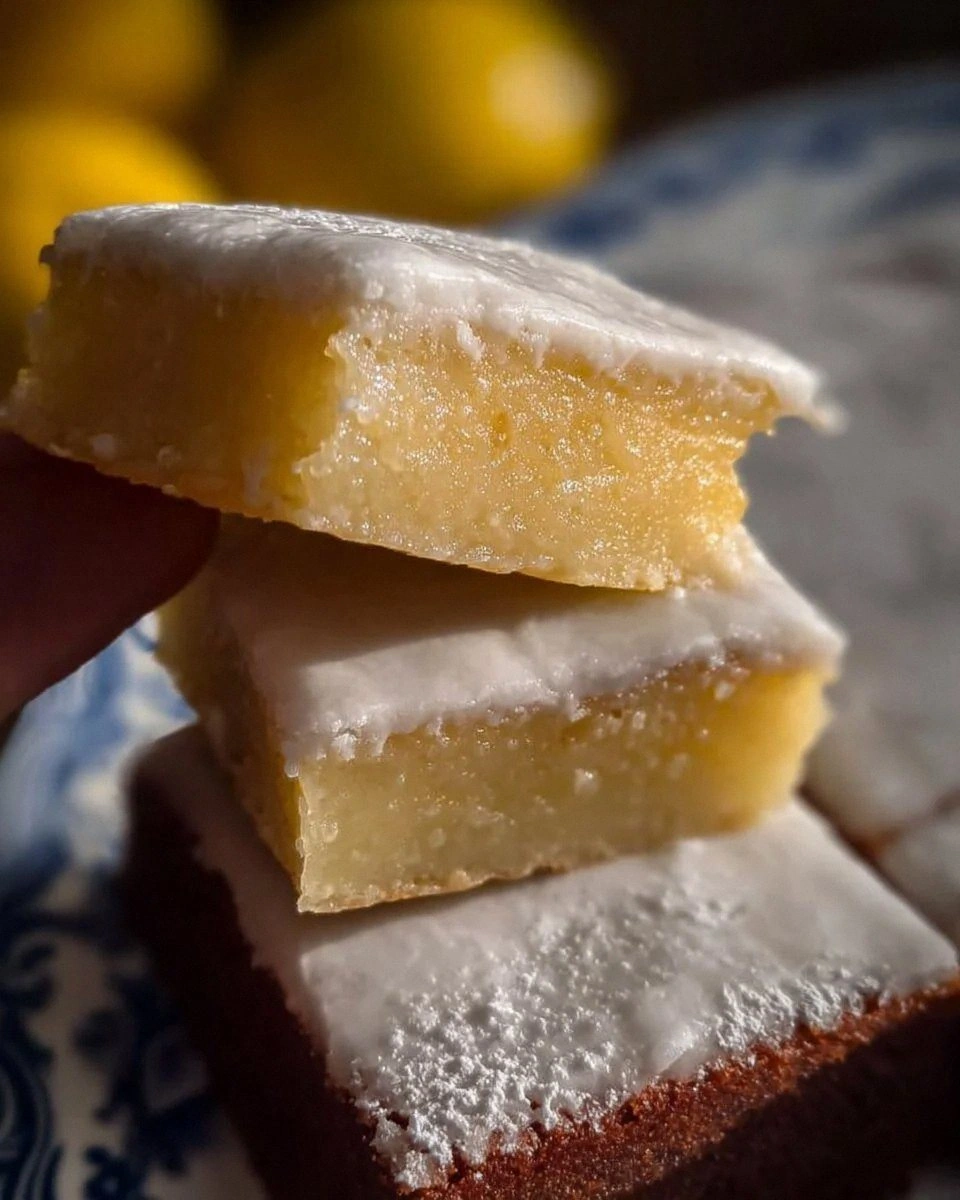
Most brownie recipes either drown the flavor in chocolate or forget the magic that a splash of lemon can bring. I’ve tried dozens of “lemon brownie” attempts that ended up tasting like a lemon‑scented cake, or worse, a soggy mess that fell apart the moment you tried to slice it. This version, however, nails the texture—dense yet fudgy, with a crackly top that shatters like thin ice, and a buttery crumb that melts in your mouth. The secret? A precise balance of acidity and sweetness, a quick‑bake technique that locks in moisture, and a finishing dust of powdered sugar that adds a whisper of elegance.
And here’s the kicker: I’m going to reveal a technique involving a brief “steam‑blitz” that most bakers completely overlook. Trust me, this tiny step transforms the brownies from good to legendary. I dare you to taste this and not go back for seconds. Let me walk you through every single step — by the end, you’ll wonder how you ever made it any other way.
What Makes This Version Stand Out
- Taste: The lemon shines without being overpowering, balanced by a buttery sweetness that feels like a summer sunset in a bite.
- Texture: A fudgy interior meets a crisp, caramelized edge that pulls away from the pan with a gentle sigh.
- Simplicity: Only nine pantry‑friendly ingredients, no exotic powders or fancy equipment required.
- Uniqueness: The “steam‑blitz” step keeps the crumb moist while giving the top a glossy finish.
- Crowd Reaction: Guests claim it’s the best thing they’ve ever had at a potluck, and they’ll be back for more.
- Ingredient Quality: Fresh lemon zest and juice make all the difference; bottled juice just can’t compete.
- Cooking Method: Baking at a moderate temperature ensures the brownies stay tender without drying out.
- Make‑Ahead Potential: They store beautifully, and the flavor actually deepens after a night in the fridge.
Inside the Ingredient List
The Flavor Base
All‑purpose flour (1 cup): This is the structural backbone, providing that classic brownie density. If you swap it for cake flour, you’ll end up with a crumb that’s too airy and loses that fudgy heart. For the best result, sift it with the baking powder and salt to ensure an even rise.
Granulated sugar (1 cup): Sugar not only sweetens but also contributes to the caramelized crust. Using superfine sugar can give an even smoother texture, but regular granulated works perfectly. Skipping the sugar will leave you with a bland, overly tart bite that no one wants.
The Texture Crew
Unsalted butter, melted (½ cup): Melted butter coats the flour particles, creating that melt‑in‑your‑mouth feel. If you use salted butter, you’ll need to cut back on the added salt to avoid a briny surprise. For a richer flavor, try browning the butter briefly before melting—it adds a nutty undertone.
Large eggs (2): Eggs act as emulsifiers, binding the butter and lemon juice together while adding lift. Over‑beating can incorporate too much air, leading to a cakey texture; a gentle stir is all you need. If you’re avoiding eggs, a mix of ½ cup applesauce and 1 tablespoon flaxseed meal works in a pinch, though the texture will shift slightly.
The Unexpected Star
Lemon zest (zest of 1 medium lemon): Zest is the aromatic hero, delivering bright citrus oils that juice alone can’t provide. Be careful to zest only the yellow part; the white pith is bitter and will ruin the balance. If you’re out of fresh lemons, a teaspoon of finely grated lemon peel from a preserved lemon can substitute, but the flavor will be milder.
Freshly squeezed lemon juice (⅓ cup): The juice adds the necessary acidity to cut through the butter and sugar, creating that signature tang. Use a juicer or hand‑press for the purest flavor—bottled juice often contains preservatives that dull the punch.
The Final Flourish
Baking powder (½ teaspoon): A modest leavening agent gives the brownies a subtle lift without making them rise like a cake. Too much will create large air pockets and a spongy texture, so measure precisely.
Salt (¼ teaspoon): Salt amplifies the sweetness and balances the lemon’s brightness. Skipping it will make the brownies taste flat, as if the lemon is shouting without a chorus.
Powdered sugar (1 tablespoon): This is dusted on top after baking, adding a delicate sweetness and a pretty finish. It also helps to soften the edges slightly as it absorbs a tiny bit of moisture.
Everything's prepped? Good. Let's get into the real action...
The Method — Step by Step
Preheat your oven to 350°F (175°C) and line a 9‑inch square pan with parchment paper, letting the paper overhang for an easy lift later. As the oven warms, the kitchen fills with a faint, buttery aroma that already hints at the decadence to come. I always like to set a timer for the preheat so I don’t lose track—this is the moment where patience pays off. The pan’s parchment will also help the brownies release cleanly, preventing that dreaded “sticking” disaster.
In a medium bowl, whisk together the flour, baking powder, and salt until fully combined. This simple aeration step ensures there are no pockets of flour that could create uneven texture. The mixture should look like a fine, pale snow—smooth and ready to mingle with the wet ingredients. Set this aside; you’ll notice the batter becoming silkier once it meets the butter later.
Now, melt the butter in a saucepan over low heat, watching it turn a golden liquid without bubbling. Once melted, remove from heat and let it cool just enough so it doesn’t scramble the eggs—about 2 minutes. That sizzle when it hits the pan? Absolute perfection. This is also the perfect time to add the lemon zest; the heat releases the essential oils, creating a fragrant steam that fills the kitchen.
In a large mixing bowl, combine the granulated sugar with the melted butter and zest, stirring until the mixture looks glossy and slightly thickened. This is where the sugar begins to dissolve, creating a base that will later caramelize on the edges. Add the eggs one at a time, beating just enough to blend—over‑mixing will incorporate air and ruin the fudgy texture. Finally, stir in the lemon juice; you’ll notice the batter turning a pale, buttery‑yellow, a visual cue that the acidity is marrying with the fat.
Gently fold the dry flour mixture into the wet batter using a rubber spatula. The key is to incorporate the flour just until you no longer see streaks; over‑mixing will develop gluten and give you a cake‑like crumb. The batter should be thick, glossy, and slightly sticky—think of a rich, velvety mousse. Scrape the sides of the bowl to ensure everything is evenly combined, then give the pan a quick tap on the counter to release any large air bubbles.
Pour the batter into the prepared pan, spreading it evenly with the spatula. Here’s the game‑changer: place a shallow pan of boiling water on the lower rack of the oven, then slide the brownie pan onto the middle rack. This “steam‑blitz” creates a humid environment that locks in moisture, giving the brownies that coveted fudgy center while still allowing the top to set and crack.
Bake for 20‑25 minutes, or until the edges are pulling away from the sides of the pan and a toothpick inserted into the center comes out with a few moist crumbs clinging to it. The surface should be lightly golden with a subtle sheen—if you see a deep brown crust, the oven may be too hot, so rotate the pan halfway through. Resist the temptation to open the oven door early; each peek releases steam and can affect the final texture.
When the timer dings, turn off the oven but leave the brownies inside for another 5 minutes with the door slightly ajar. This gentle cooling lets the steam finish its work, preventing a sudden collapse that would make the brownies gummy. Afterward, lift the parchment out, dust the top with powdered sugar, and let the pan cool on a wire rack for at least 15 minutes before slicing.
That's it — you did it. But hold on, I've got a few more tricks that'll take this to another level...
Insider Tricks for Flawless Results
The Temperature Rule Nobody Follows
Most bakers set the oven to 350°F and forget that every oven has hot spots. I always preheat a stone or a heavy baking sheet on the lower rack; this stabilizes the temperature and ensures the brownies bake evenly. A friend tried skipping this step once — let's just say the middle turned into a rubbery mess while the edges were perfect. Trust the stone, and you’ll get a uniformly fudgy interior every time.
Why Your Nose Knows Best
Before you even check the timer, give your kitchen a quick sniff. When the edges start to smell caramelized and the top releases a faint citrus perfume, you’re nearing perfection. If the aroma is still buttery without that caramel note, give it another 2‑3 minutes. Your nose is a more reliable indicator than any timer ever could be.
The 5‑Minute Rest That Changes Everything
Once out of the oven, let the brownies rest in the pan for exactly five minutes before lifting the parchment. This short pause allows the steam trapped inside to redistribute, preventing the brownies from collapsing when you cut them. Skipping this rest leads to crumbly squares that crumble on the plate—nothing ruins a dessert faster than a broken bite.
Powdered Sugar Finish
Dusting with powdered sugar isn’t just for looks; it adds a thin layer of sweetness that balances the lemon’s acidity. For an extra visual punch, use a fine mesh sifter and give the brownies a gentle tap to create an even veil. If you’re feeling fancy, add a pinch of finely grated lemon zest to the sugar before dusting.
Storage Secrets
Store the brownies in an airtight container at room temperature for up to three days; the flavor actually mellows and becomes more complex. For longer storage, wrap individual squares in parchment and freeze; they’ll keep for up to two months. When reheating, pop a slice in the microwave for 10‑15 seconds with a tiny splash of water—a trick that revives the fudgy texture without drying it out.
Creative Twists and Variations
This recipe is a playground. Here are some of my favorite ways to switch things up:
Lemon‑Blueberry Burst
Fold in ½ cup fresh blueberries before baking. The berries burst with juicy pockets that complement the lemon, creating a sweet‑tart duet. It’s perfect for brunch or a summer picnic.
White‑Chocolate Swirl
Drop ¼ cup melted white chocolate in ribbons over the batter and use a knife to swirl. The creamy sweetness mellows the tartness, making the brownies feel like a dessert duo in one bite.
Almond Crunch
Stir in ¼ cup toasted almond slivers for a nutty crunch that adds texture contrast. The almonds also bring a buttery depth that pairs beautifully with the citrus.
Lavender Lemon
Add a pinch of culinary lavender to the dry ingredients for an aromatic twist. The floral notes elevate the lemon, turning the brownies into an elegant tea‑time treat.
Spiced Autumn
Swap half the lemon zest for orange zest and add ¼ teaspoon ground cinnamon. This gives the brownies a warm, cozy vibe—ideal for cooler evenings.
Storing and Bringing It Back to Life
Fridge Storage
Place the brownies in a sealed container or a zip‑top bag, layering parchment between layers to prevent sticking. They stay fresh for up to five days, and the flavor actually deepens as the lemon mingles with the butter.
Freezer Friendly
Wrap each square tightly in plastic wrap, then place them in a freezer‑safe bag. They’ll keep for up to two months. When you’re ready to enjoy, let them thaw at room temperature for 30 minutes, then give them a quick microwave zap with a splash of water.
Best Reheating Method
For a just‑baked feel, microwave a slice on a microwave‑safe plate for 10‑15 seconds, adding a teaspoon of water to the plate’s edge. The steam revives the fudgy interior, while the top regains a slight crust.