I was standing in my kitchen on a rainy Tuesday, staring at a half‑baked apple tart that had collapsed like a sad soufflé, when a friend dared me to make something “invisible” that would still shout “apple” from across the room. I laughed, grabbed a bowl, and whispered a promise to myself: I would create a cake so light it would practically float, yet so flavorful that even the most skeptical aunt would beg for seconds. The rain tapped a steady rhythm on the window, the scent of caramelizing butter drifted from the stove, and the sharp tang of lemon zest cut through the humidity like a bright flash of sunlight. That moment was the spark that ignited what I now call the French Apple Invisible Cake – a dessert that feels like a secret between you and the oven.
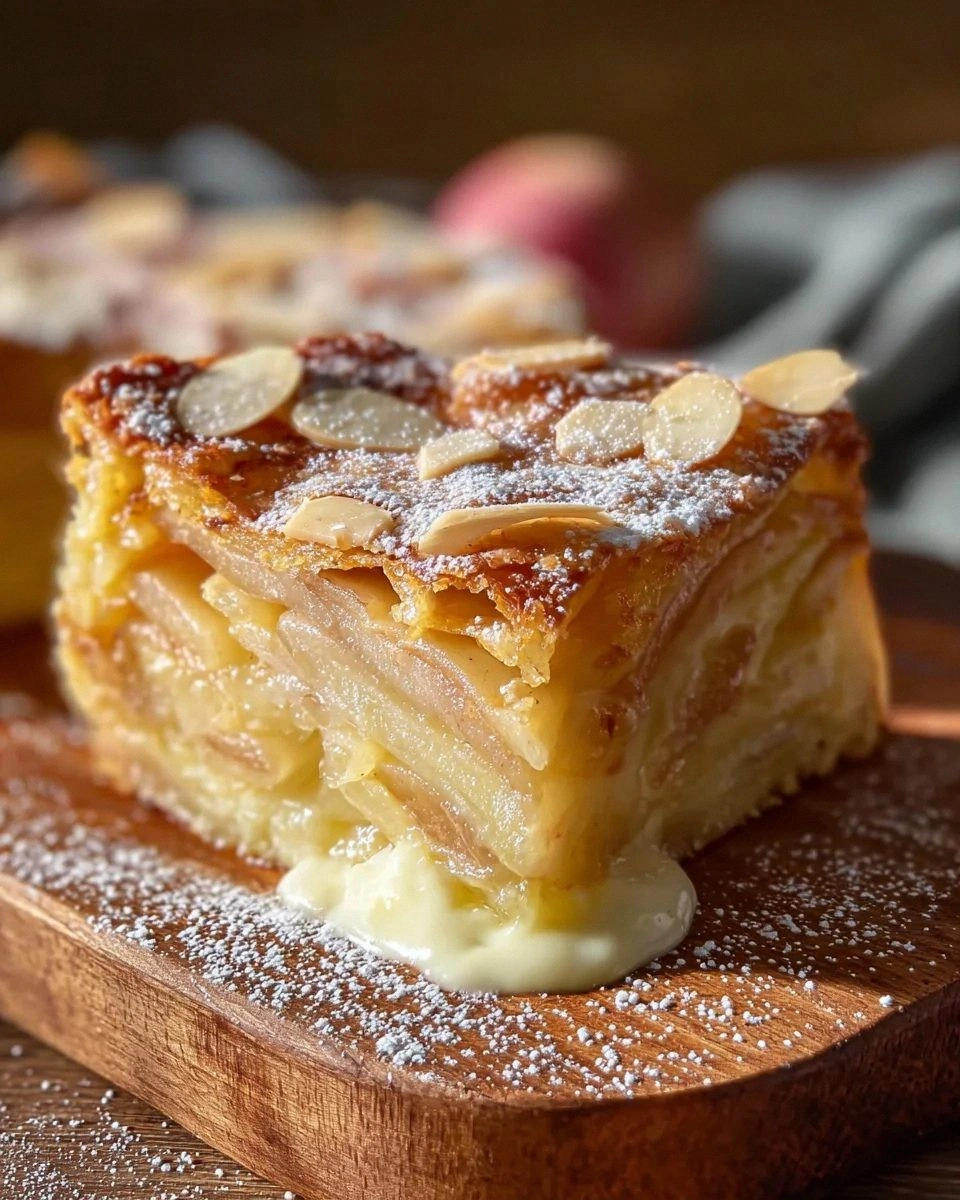
Picture this: a golden‑brown loaf emerging from the oven, its surface smooth as polished marble, the aroma of baked apples, cinnamon, and a whisper of vanilla swirling in the air. When you slice into it, the layers of thinly sliced apples are hidden beneath a tender, almost ethereal crumb that looks like a cloud made of flour and butter. The first bite is a revelation – the apples are soft but still hold a faint bite, the cinnamon kisses your palate, and the cake itself melts like a buttery dream. I dare you to taste this and not go back for seconds; it’s that good.
Most recipes for “apple cake” either drown the fruit in a sugary batter or bake the apples on top, creating a soggy mess that collapses under its own weight. I’ve tried those failures, and I’ve learned that the secret lies in coaxing the apples to release just enough moisture to steam the cake from the inside while keeping the exterior crisp. This version uses a technique borrowed from classic French pâtisserie: the apples are thinly sliced, tossed in lemon juice and a pinch of sugar, then layered in a batter that’s been whisked to a glossy, almost mousse‑like consistency. The result is a cake that looks invisible because the apple slices are practically invisible, yet the flavor is impossible to ignore.
Okay, ready for the game‑changer? I’m about to walk you through every single step – from selecting the perfect apples to mastering the gentle folding technique that keeps the batter airy. By the end, you’ll wonder how you ever made any other apple cake. Let’s dive in, and remember: this next part? Pure magic.
What Makes This Version Stand Out
- Texture: The crumb is feather‑light, almost like a chiffon cake, thanks to the careful folding of whipped eggs and the thin apple layers that steam from within.
- Flavor: A harmonious blend of sweet apples, warm cinnamon, and a subtle hint of vanilla creates a depth that rivals any French patisserie.
- Simplicity: Only ten core ingredients are required, and the technique uses everyday kitchen tools – no fancy molds or specialty pans.
- Visual Appeal: The “invisible” apple slices disappear into the cake, leaving a pristine, golden surface that looks like it was pulled straight from a Parisian bakery.
- Crowd Reaction: Guests often claim they’ve never tasted an apple cake that feels both light and comforting; it’s a conversation starter at any gathering.
- Ingredient Quality: Using crisp, tart apples (like Granny Smith) and high‑quality butter makes the difference between a good cake and a great one.
- Cooking Method: The low‑and‑slow bake at 325°F ensures even rising without over‑browning, preserving the delicate apple aroma.
- Make‑Ahead Potential: This cake stores beautifully; a night’s rest actually deepens the flavors, making it perfect for busy weekdays.
Inside the Ingredient List
The Flavor Base
The backbone of this cake is the combination of butter, sugar, and vanilla. Melted butter adds richness and helps the cake achieve that glossy crust, while sugar not only sweetens but also aids in caramelizing the apples as they steam. Vanilla extract adds a fragrant undertone that balances the earthiness of the apples. If you’re out of vanilla, a splash of almond extract works surprisingly well, but be careful – it’s potent.
The Texture Crew
Flour, eggs, and milk form the structural trio. All‑purpose flour gives the cake body without weighing it down; you could swap half for cake flour for an even lighter crumb. Eggs are separated, with the whites whipped to stiff peaks – this is the secret to the airy texture. Milk adds moisture and helps the batter coat the apple slices evenly. Skipping the egg‑white whip is a common mistake that leads to a dense, gummy cake.
The Unexpected Star
Thinly sliced apples are the surprise element. I use a mandoline to achieve paper‑thin rounds; this ensures the apples steam quickly and don’t release too much liquid, which would sog the cake. The lemon juice not only prevents browning but also brightens the overall flavor profile, cutting through the buttery richness. If you prefer a sweeter apple, add a drizzle of honey to the slice mixture – just a teaspoon, or you’ll end up with a sticky mess.
The Final Flourish
Cinnamon, nutmeg, and a pinch of salt bring warmth and depth. Cinnamon is the classic companion to apples, while nutmeg adds a subtle spice that lingers on the tongue. Salt, even in a sweet cake, amplifies all the flavors and prevents the sweetness from becoming cloying. For a French twist, a splash of Calvados (apple brandy) can be added to the apple mixture; it’s optional but elevates the aroma to a whole new level.
Everything's prepped? Good. Let's get into the real action…
The Method — Step by Step
Preheat your oven to 325°F (165°C) and grease a 9‑inch loaf pan with butter, then line it with parchment paper for an easy release. While the oven warms, melt ½ cup of unsalted butter over low heat, stirring until it’s a shimmering golden pool. This gentle melt prevents the butter from browning, which would add a bitter note to the cake.
In a large mixing bowl, whisk together 2 cups of all‑purpose flour, 1 tsp baking powder, ½ tsp salt, 1 tsp ground cinnamon, and a pinch of nutmeg. This dry blend ensures the leavening is evenly distributed, preventing any pockets of flatness.
Separate the eggs. Whisk the yolks with 1 cup of granulated sugar until the mixture turns pale and thick, about 3 minutes. Then stir in the melted butter, ½ cup of whole milk, 1 tsp vanilla extract, and the lemon‑juice‑tossed apple slices (about 4 medium apples, thinly sliced). The batter should look glossy and slightly fluid.
Kitchen Hack: When folding the apple‑laden batter, use a rubber spatula and lift from the bottom, turning the bowl over to keep the air trapped.In a separate bowl, beat the egg whites until they form soft peaks, then gradually add a pinch of cream of tartar and continue beating until stiff, glossy peaks form. This aerated foam is the engine that will lift the cake, giving it that “invisible” lightness.
Gently fold one third of the whipped egg whites into the batter to lighten it, then fold in the remaining whites in two more additions. The key is to move quickly but gently; over‑mixing will deflate the whites, and the cake will lose its airy structure.
Pour the batter into the prepared loaf pan, smoothing the top with a spatula. Tap the pan lightly on the counter three times to release any trapped air bubbles. The surface should be glossy and slightly domed.
Slide the pan into the oven and bake for 30‑35 minutes, or until a toothpick inserted into the center comes out clean and the edges begin to pull away from the pan. Around the 20‑minute mark, rotate the pan 180° to ensure even browning. That sizzle when the top starts to caramelize? Absolute perfection.
Watch Out: If the top darkens too quickly, tent the cake with foil to prevent over‑browning while the interior finishes cooking.Remove the cake from the oven and let it rest in the pan for 10 minutes – this allows the steam to finish cooking the interior gently. Then, turn the cake out onto a wire rack to cool completely. While it cools, the aroma will fill your kitchen, making everyone wonder what you’re up to.
Before serving, dust the top with a generous amount of powdered sugar and, if you like, a drizzle of warm caramel sauce. The final presentation is simple yet elegant, perfect for a brunch table or an after‑dinner treat.
That's it — you did it. But hold on, I've got a few more tricks that'll take this to another level…
Insider Tricks for Flawless Results
The Temperature Rule Nobody Follows
Never bake this cake straight from the fridge. Let the batter sit at room temperature for 15 minutes before it hits the oven; this small pause lets the gluten relax and the butter stay fluid, preventing a dense crumb. I once tried to speed things up by popping the pan straight from the fridge, and the cake rose unevenly, creating a “mountain range” effect on the surface. Trust me, the extra waiting time is worth the uniform rise.
Why Your Nose Knows Best
Your sense of smell is a better timer than any clock when it comes to this cake. Around the 20‑minute mark, you’ll notice a sweet, buttery perfume mingling with a faint apple perfume – that’s the cue that the crust is forming. If you smell a hint of burnt sugar, pull the cake out early and tent with foil. Your nose will save you from a bitter disaster.
The 5‑Minute Rest That Changes Everything
After the cake has cooled on the rack, let it sit for an additional five minutes before slicing. This brief rest lets the steam settle, making the slices glide through the cake without tearing. I once sliced too soon, and the crumb crumbled like dry sand – not a pretty picture. Patience here turns a good cake into a picture‑perfect masterpiece.
Butter Brush Finale
Just before serving, brush the top lightly with melted butter and sprinkle a pinch of flaky sea salt. The butter adds a glossy sheen, while the salt amplifies the sweet‑spice balance. A friend tried this once and declared it “the best thing I’ve ever put on a cake.”
The Secret of the “Invisible” Apple Layer
The magic lies in the ultra‑thin apple slices. If they’re too thick, they’ll dominate the texture; too thin, and they’ll disappear entirely. Using a mandoline set to the thinnest setting ensures each slice is just a whisper of fruit, steaming perfectly within the batter. The result is a cake that looks like a plain loaf but bursts with apple flavor in every bite.
Creative Twists and Variations
This recipe is a playground. Here are some of my favorite ways to switch things up:
Pear & Ginger Whisper
Swap half the apples for ripe Bartlett pears and add a teaspoon of freshly grated ginger. The pear adds a subtle floral note while the ginger injects a warm zing that pairs beautifully with cinnamon.
Caramel Apple Dream
Fold in a handful of caramel chunks (store‑bought or homemade) into the batter before folding the egg whites. The caramel melts into gooey pockets, creating surprise bursts of sweetness.
Nutty Crunch Variation
Toast ¼ cup of sliced almonds and sprinkle them over the top before baking. The almonds toast to a golden brown, adding a satisfying crunch that contrasts the soft crumb.
Citrus Zest Explosion
Add the zest of one orange and a tablespoon of orange liqueur to the batter. The citrus lifts the flavor profile, making the cake feel brighter and perfect for spring brunches.
Vegan Velvet
Replace the butter with coconut oil, use flax‑egg replacer (1 tbsp ground flaxseed + 3 tbsp water per egg), and swap milk for almond milk. The texture stays light, and the coconut aroma adds an exotic twist.
Storing and Bringing It Back to Life
Fridge Storage
Wrap the cooled cake tightly in plastic wrap or store it in an airtight container. It will stay fresh for up to four days, and the flavors will meld, becoming even more harmonious. For an extra moisture boost, place a slice of fresh apple on top of the wrap – it keeps the interior from drying out.
Freezer Friendly
Slice the cake into individual portions, wrap each slice in parchment paper, then a second layer of foil. Freeze for up to three months. When you’re ready to enjoy, let a slice thaw at room temperature for 20 minutes, then reheat briefly.
Best Reheating Method
Preheat your oven to 300°F (150°C), place a slice on a baking sheet, and add a tiny splash (about a teaspoon) of water to the edge of the slice. Cover loosely with foil and heat for 8‑10 minutes. The steam created revives the cake’s moist interior while the crust regains its gentle crunch.