I was standing in my kitchen at 2 a.m., half‑asleep, staring at a loaf of day‑old French bread that had been staring back like a silent accusation. I had promised my roommate a “quick breakfast” after a marathon gaming session, but the only thing I could think of was a soggy, sad‑looking toast that would probably taste like regret. I dared myself to turn that disappointment into something unforgettable, and the result was nothing short of a culinary epiphany. This is the story of how a simple overnight soak transformed a boring loaf into a cloud‑like masterpiece that practically screams, “Eat me now!”
Imagine the kitchen filling with the sweet perfume of cinnamon and caramelized sugar, the gentle hiss of butter melting in a pan, and the soft, buttery glow of golden‑brown edges that look like they were kissed by sunrise. You can almost hear the faint crackle as the crust gives way to a custard‑soft interior, and you feel the warm, comforting weight of the plate in your hands as you brace for that first bite. The texture is a perfect paradox: crisp on the outside, yet so tender inside that it practically melts on your tongue, leaving a lingering vanilla‑cinnamon afterglow that makes you sigh in pure bliss.
What makes this version truly stand out is that it skips the frantic, last‑minute scrambling that most French toast recipes demand. Instead, you set it and forget it overnight, letting the flavors meld like old friends catching up over coffee. The secret? A humble crumble topping made from flour and butter that adds a surprising crunch, and a generous splash of berries that burst with juicy acidity, balancing the sweet custard like a perfectly tuned chord. Most recipes get the soak wrong, drowning the bread in a soupy mess; ours is a controlled, buttery bath that the bread soaks up without losing its structure.
I’m going to let you in on a little trick that most chefs keep under their aprons: a pinch of kosher salt in the custard. It doesn’t make the dish salty; it amplifies every sweet note, turning a simple breakfast into a layered flavor experience. And yes, I dare you to taste this and not go back for seconds. Let me walk you through every single step — by the end, you’ll wonder how you ever made it any other way.
What Makes This Version Stand Out
- Flavor Explosion: The combination of light brown sugar, cinnamon, and a splash of vanilla (optional) creates a caramel‑like depth that outshines ordinary maple‑syrup drenched toast.
- Texture Harmony: A crisp, buttery crumble crowns the soft, custardy interior, giving you that satisfying crunch‑then‑melt sensation in every bite.
- Simplicity Redefined: With just nine pantry staples you can whip up a restaurant‑quality dish without any fancy gadgets or hard‑to‑find ingredients.
- Unique Twist: The overnight soak lets the bread absorb the custard evenly, preventing soggy centers and ensuring each slice is uniformly flavored.
- Crowd‑Pleaser: Whether you’re feeding a sleepy family or impressing brunch guests, the vibrant berries and golden crust draw rave reviews every single time.
- Ingredient Quality: Using day‑old French bread (or sourdough/challah) gives the perfect porous structure, while real butter adds richness you can’t fake with oil.
- Cooking Method Magic: Baking instead of pan‑frying yields an even, hands‑off finish that’s less messy and more reliable for consistent results.
- Make‑Ahead Potential: Prepare the night before, pop it in the oven in the morning, and you’ll have a stress‑free, show‑stopping breakfast ready in minutes.
Inside the Ingredient List
The Flavor Base
The star of any good French toast is the custard, and here we build it with whole milk, large eggs, light brown sugar, ground cinnamon, and a pinch of kosher salt. Whole milk provides the creamy backbone that lets the custard cling to the bread without turning watery, while the eggs act as the binding agent, creating that luxurious, custardy interior. Light brown sugar adds a subtle caramel note that plain white sugar simply can’t match, and the cinnamon brings warmth that feels like a hug on a cold morning. The salt isn’t there to make it salty; it’s the silent hero that amplifies sweetness, making the flavors sing louder.
The Texture Crew
All‑purpose flour and salted butter team up to form a crumble topping that adds a delightful crunch. When you toss the flour with melted butter, you create tiny butter pockets that, once baked, puff up into golden nuggets of crispness. This contrast is what separates our overnight French toast from the soggy, uniform slabs you get from a rushed stovetop version. If you’re gluten‑free, swapping the flour for a blend won’t sacrifice the crunch; just make sure the blend contains some starch for the right texture.
The Unexpected Star
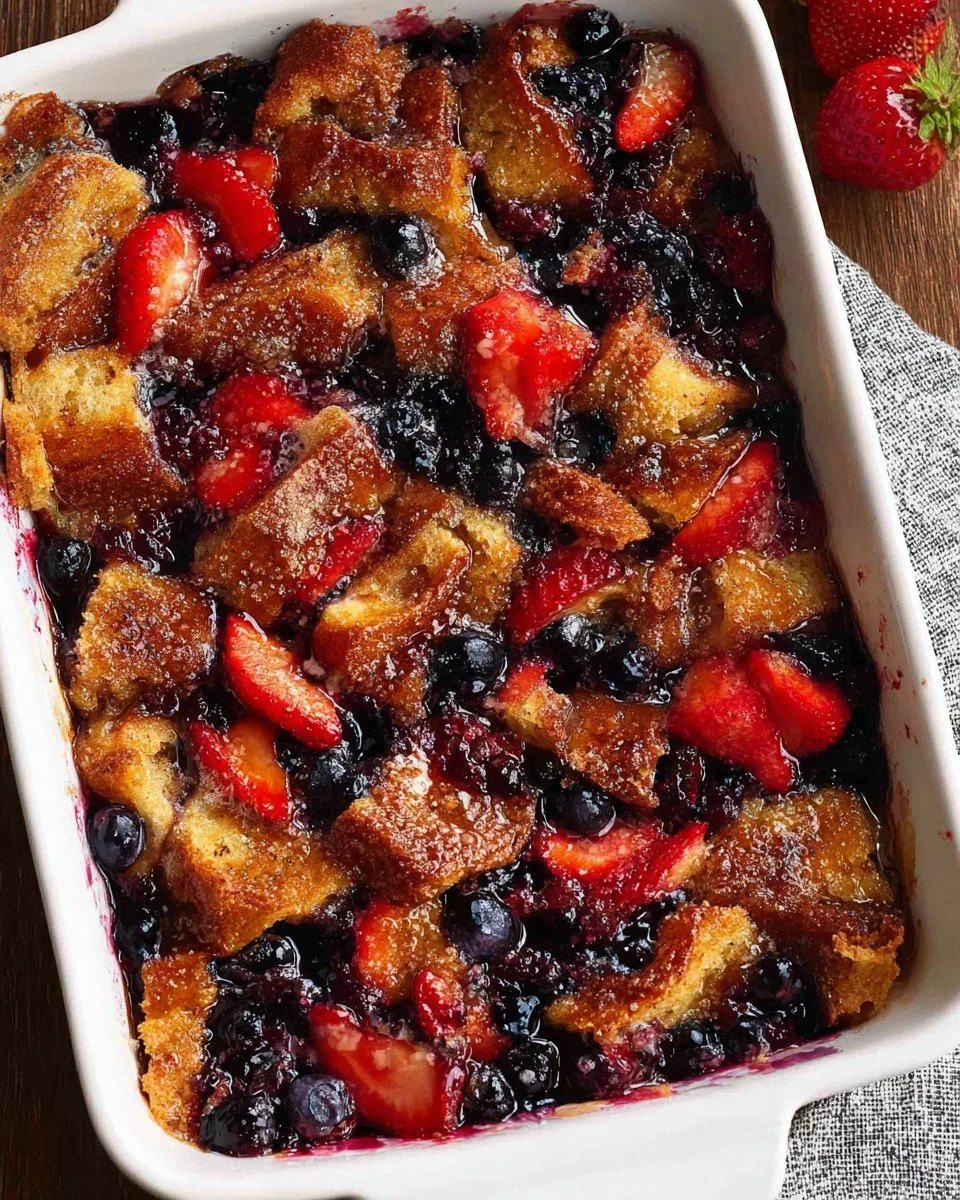
Berries aren’t just a garnish; they’re a flavor catalyst. Their natural acidity cuts through the sweetness, while their burst of juice adds a juicy pop that keeps each bite interesting. Fresh berries give a bright, summery feel, whereas frozen berries release a little extra juice as they thaw, creating a subtle sauce that seeps into the custard. If you’re feeling adventurous, try a mix of blueberries, raspberries, and sliced strawberries for a rainbow of flavors and colors that make the plate Instagram‑ready.
The Final Flourish
Day‑old French bread is the foundation; its slightly dried crumb acts like a sponge, soaking up the custard without disintegrating. When you can, choose a loaf with a sturdy crust and a tight crumb—think classic baguette slices or a sturdy country loaf. If you’re using sourdough, the tang adds an extra layer of complexity, while challah brings a buttery richness. The key is to avoid fresh, fluffy bread that will turn mushy; the day‑old texture is what gives you that perfect balance of soak and structure.
Buying Tips
Head to the bakery aisle and look for a loaf that’s been on the shelf for at least a day. If you’re buying fresh, simply slice it and let it sit uncovered for 12‑24 hours; the crust will dry out just enough. When selecting berries, give them a gentle squeeze—ripe berries will give slightly, while over‑ripe ones will feel mushy and may break apart during baking, turning your dish into a berry‑soup.
Everything's prepped? Good. Let's get into the real action...
The Method — Step by Step
- Gather and Slice the Bread. Cut your day‑old French bread into 1‑inch thick slices; you’ll want about eight slices for four servings. Lay them out on a large zip‑top bag or a shallow baking dish. This is where the magic begins, because the thickness determines how much custard each slice can hold without falling apart. If you slice too thin, the bread will become a soggy pancake; too thick, and the custard won’t penetrate fully. Kitchen Hack: Lightly toast the slices for 2‑3 minutes before soaking; this creates a barrier that prevents over‑absorption and gives a firmer final texture.
- Prepare the Custard. In a bowl, whisk together 1 cup whole milk, 4 large eggs, 3 tbsp light brown sugar, 1 tsp ground cinnamon, and ½ tsp kosher salt until the mixture is smooth and slightly frothy. The whisk should create tiny air bubbles that will later help the toast rise gently in the oven, giving it a light, airy interior. If you love a hint of vanilla, add ½ tsp vanilla extract now; it’s optional but highly recommended.
- Combine Bread and Custard. Pour the custard over the bread slices, ensuring each piece is fully submerged. Seal the bag or cover the dish tightly with plastic wrap and place it in the refrigerator overnight (or at least 6 hours). This resting period allows the bread to soak up the liquid evenly, turning each slice into a custard‑infused canvas ready for baking. Watch Out: If you leave the mixture at room temperature for more than two hours, the eggs could start to spoil; always keep it chilled.
- Preheat the Oven. Set your oven to 350°F (175°C) and let it fully preheat while the bread soaks. A properly preheated oven ensures the crumble forms instantly, creating that coveted crackly crust. While you wait, you can prepare the crumble topping.
- Make the Crumble Topping. In a small bowl, combine ½ cup all‑purpose flour with 3 tbsp melted salted butter until the mixture resembles coarse sand. Add a pinch of salt if desired. This simple blend will melt into the surface of the toast during baking, forming golden, buttery nuggets that add texture and flavor. Kitchen Hack: Sprinkle a tiny bit of granulated sugar onto the crumble before baking for an extra caramelized crunch.
- Arrange on a Baking Sheet. Line a rimmed baking sheet with parchment paper. Lay the soaked bread slices in a single layer, leaving a little space between each piece. Sprinkle the crumble evenly over the top, pressing gently so it adheres. If you’re feeling fancy, scatter a handful of berries directly onto the crumble; they’ll bake into a gorgeous, slightly jammy layer.
- Bake to Perfection. Slide the sheet into the preheated oven and bake for 25‑30 minutes, or until the tops are a deep golden‑brown and the edges start pulling away from the pan. You’ll know it’s ready when you hear a faint, satisfying crackle as the crumble sets. Halfway through, rotate the pan for even browning. The aroma at this point is pure heaven—think buttery toast, caramel, and a whisper of cinnamon.
- Finish with Fresh Berries. Once out of the oven, let the French toast rest for 3‑5 minutes; this allows the interior to set and the crumble to firm up. Then, top each slice with a generous handful of fresh or thawed berries. The berries will be warm, slightly softened, and will release a natural syrup that pools around the plate, creating a gorgeous presentation. Watch Out: Avoid over‑loading the plate with berries; too much moisture can make the crumble soggy.
- Serve and Savor. Cut each slice diagonally, drizzle a little extra melted butter if you like, and serve immediately while the crumble is still crisp. That first bite? It’s a symphony of textures—crackle, melt, pop—accompanied by a sweet‑spicy flavor that makes you want to shout, “This is hands down the best version you’ll ever make at home.” I’ll be honest — I ate half the batch before anyone else got to try it. I dare you to taste this and not go back for seconds.
Insider Tricks for Flawless Results
The Temperature Rule Nobody Follows
Never bake French toast at a scorching 425°F; high heat burns the crumble before the interior sets. A moderate 350°F gives the custard time to firm up while the topping slowly caramelizes. If you’re in a hurry, you can start at 375°F for the first 10 minutes, then drop to 325°F to finish. This two‑stage approach yields a perfectly golden crust without a raw center.
Why Your Nose Knows Best
Your sense of smell is a more reliable timer than a clock. When the kitchen fills with a buttery‑cinnamon aroma and you hear that faint sizzle from the crumble, you’re close to perfection. Trust that scent cue; it’s often 2‑3 minutes before the timer hits zero. Over‑baking turns the crumble into ash, so pull it out the moment the perfume hits peak.
The 5‑Minute Rest That Changes Everything
After baking, let the toast sit for exactly five minutes. This short rest lets the custard settle, preventing a runny interior when you cut into it. It also gives the crumble a chance to firm up again after the heat dissipates. Skipping this step is the most common reason people end up with soggy tops.
Butter Brush Brilliance
Before you add the crumble, brush the top of each slice with a thin layer of melted butter. This not only helps the crumble adhere but also adds an extra layer of richness that makes each bite feel like a buttery cloud. If you’re dairy‑free, coconut oil works just as well and adds a subtle tropical note.
The “Freeze‑Then‑Bake” Shortcut
If you’re prepping for a crowd, assemble the soaked bread and crumble, then freeze the whole sheet before baking. When you’re ready, bake from frozen at 375°F for 35‑40 minutes. The result is just as crisp, and you’ve saved yourself a frantic morning scramble. I tried this once for a brunch party, and the guests thought I’d spent all night in the kitchen.
Creative Twists and Variations
This recipe is a playground. Here are some of my favorite ways to switch things up:
Apple‑Cinnamon Delight
Dice a crisp apple and toss it with a sprinkle of cinnamon and a drizzle of honey before adding it to the crumble. As it bakes, the apple softens into a caramelized topping that pairs beautifully with the custard. Perfect for autumn mornings when you crave that orchard vibe.
Nutty Banana Crunch
Slice a ripe banana and scatter it over the bread before baking, then sprinkle chopped toasted walnuts into the crumble. The banana adds a mellow sweetness, while the walnuts bring a satisfying crunch and a dose of healthy fats.
Chocolate‑Hazelnut Indulgence
Stir 2 tbsp cocoa powder into the custard and fold in ¼ cup chopped toasted hazelnuts into the crumble. The result is a decadent, almost dessert‑like French toast that’s perfect for a special weekend brunch.
Tropical Coconut‑Mango
Replace the berries with diced mango and add 2 tbsp shredded coconut to the crumble. A splash of coconut milk in the custard enhances the island vibe, turning your breakfast into a vacation on a plate.
Savory Herb Twist
Omit the sugar and cinnamon, and instead add 1 tsp dried thyme, ½ tsp smoked paprika, and a pinch of cracked black pepper to the custard. Top with grated Parmesan in the crumble for a savory French toast that pairs beautifully with a poached egg.
Storing and Bringing It Back to Life
Fridge Storage
Store any leftovers in an airtight container in the refrigerator for up to three days. The crumble will soften, but you can revive it by reheating in a hot skillet with a little butter for 2‑3 minutes per side, or by placing the slices under a broiler for a minute.
Freezer Friendly
Wrap each cooled slice tightly in plastic wrap, then place them in a freezer‑safe zip bag. They’ll keep for up to two months. When you’re ready to eat, bake straight from frozen at 375°F for 20‑25 minutes, or thaw overnight in the fridge and reheat as above.
Best Reheating Method
For the ultimate texture, reheat in a preheated 350°F oven on a wire rack for 8‑10 minutes. Add a splash of water (about 1‑2 tbsp) to the pan before covering with foil; the steam revives the custard while the foil protects the crumble from burning. The result is almost as fresh as the original bake.