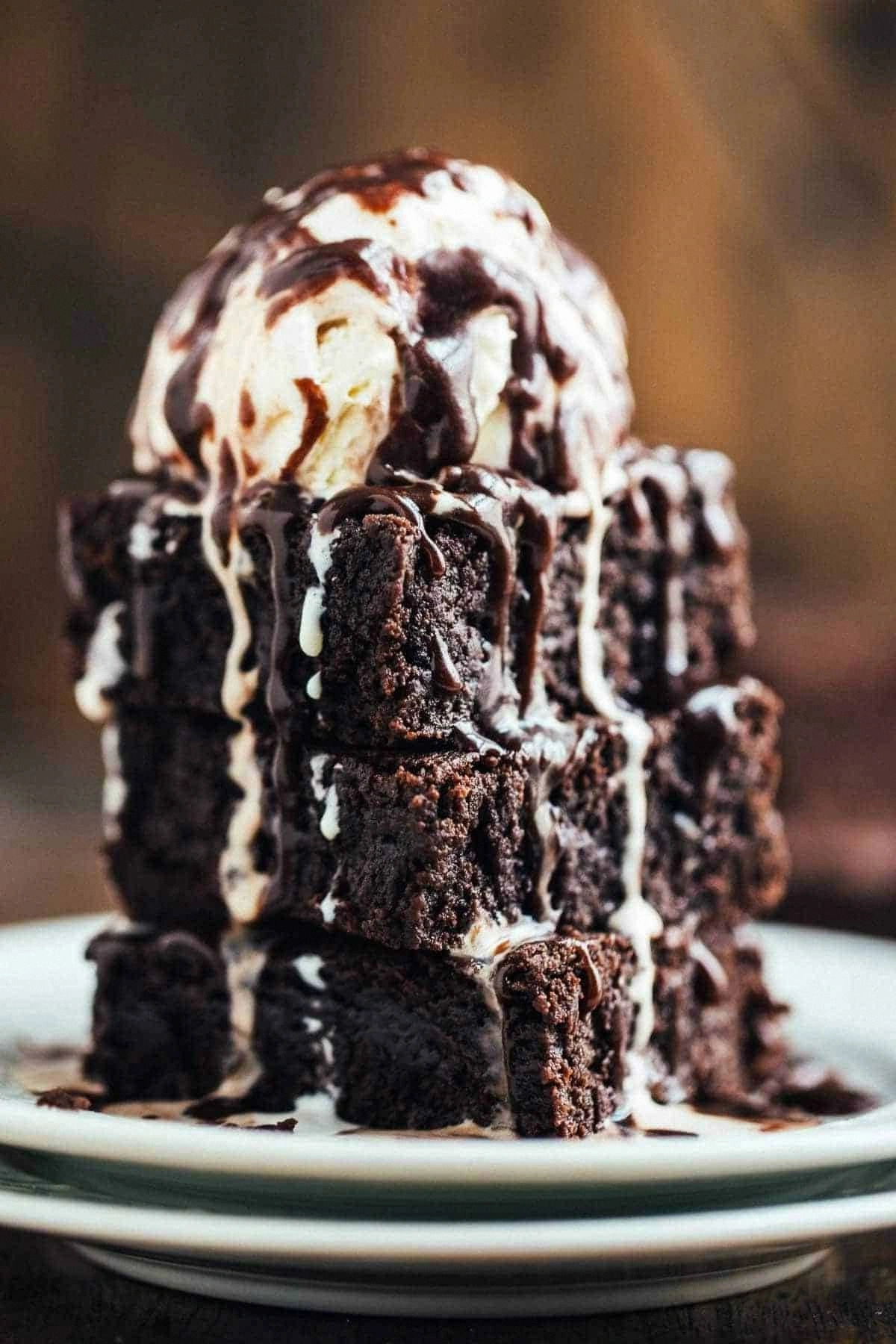
I was standing in my kitchen, the clock ticking, a half‑finished batch of brownies cooling on the counter, when my roommate walked in, sniffed the air and declared, “Those look like they belong in a bakery, not a dorm.” I laughed, but the challenge was on. I dared myself to create a brownie that would make even the most hardened dessert snob bow down and whisper, “Okay, you win.” What followed was a frantic night of experimenting with coconut oil, cocoa, and a dash of daring, resulting in a batch so fudgy it practically melts in your mouth before you even think about chewing. I’m telling you, this is hands down the best version you’ll ever make at home.
Picture this: you pull the pan from the oven, and a warm, glossy sheen glistens across the top, like a midnight lake reflecting a full moon. The aroma hits you first—a deep, earthy chocolate scent that’s thick enough to coat the back of your throat, followed by a subtle, nutty whisper from the coconut oil that makes the whole kitchen feel like a tropical boutique. The edges are crisp, snapping like thin ice when you break them, while the center stays as soft as a cloud that refuses to drift away. Every bite delivers a symphony of textures: the initial crack, the creamy interior, and a lingering cocoa finish that lingers like a good story.
Most brownie recipes get this completely wrong. They either over‑bake, turning the middle into a dry brick, or they drown the flavor in too much butter, making it greasy rather than luxurious. My secret? Swapping butter for coconut oil, which brings a subtle, buttery‑nutty undertone without the heaviness, and a technique that locks in moisture by creating a steam‑rich environment inside the pan. The result is a brownie that’s both dense and airy, a paradox that only true culinary alchemy can achieve. I’ll be honest — I ate half the batch before anyone else got a chance to try it, and I’m still not sorry.
Let me walk you through every single step — by the end, you’ll wonder how you ever made it any other way. Okay, ready for the game‑changer? This next part? Pure magic. Stay with me here — this is worth it.
What Makes This Version Stand Out
- Fudgy Texture: The coconut oil creates a glossy, melt‑in‑your‑mouth interior that’s denser than a traditional butter brownie but still surprisingly airy.
- Rich Flavor: Unsweetened cocoa combined with a pinch of sea salt amplifies the chocolate depth while the coconut oil adds a subtle tropical note.
- Simplicity: Only eight pantry staples are needed, and the method is straightforward enough for a novice yet satisfying for a seasoned baker.
- Unexpected Star: Coconut oil replaces butter, reducing saturated fat while delivering a buttery mouthfeel that most people won’t even notice.
- Crowd Reaction: One bite and your guests will be shouting for seconds, and you’ll be the hero of the dessert table.
- Make‑Ahead Potential: These brownies keep beautifully for up to a week, and they freeze like a dream for longer storage.
- Versatile Base: The recipe welcomes mix‑ins—chocolate chips, nuts, or even a swirl of caramel—without compromising the core fudginess.
- Health‑Conscious Twist: Coconut oil brings medium‑chain triglycerides, offering a slight nutritional edge over traditional butter.
Inside the Ingredient List
The Flavor Base
Cocoa powder is the heart of any brownie, delivering that deep, bitter‑sweet chocolate punch. I use unsweetened cocoa so I can control the sweetness with sugar, ensuring the flavor doesn’t get lost in a sugary haze. If you swap it for Dutch‑process cocoa, you’ll get a smoother, less acidic profile, but the classic “brownie” bite comes from the natural cocoa’s bright notes. Skipping cocoa? You’ll end up with a plain cake, and nobody wants that. Always sift the cocoa with the flour to avoid clumps that could ruin the texture.
The Texture Crew
All‑purpose flour provides the structure, but the key is the ratio: too much flour makes the brownies cakey, too little leaves them crumbly. I stick to the classic 2‑cup amount for four servings, which balances structure and chew. Coconut oil, melted, is the secret binder; it stays liquid at room temperature, giving the brownies that melt‑in‑your‑mouth feel. If you’re allergic or simply don’t like coconut, try a 1:1 swap with melted vegan butter—just know the flavor will shift slightly. Eggs act as both leavening and emulsifier; three large eggs give enough lift without turning the batter into a sponge cake.
The Unexpected Star
A pinch of sea salt might seem trivial, but it’s a flavor amplifier. It cuts through the sweetness and highlights the cocoa’s bitterness, creating that “wow” moment on the palate. I recommend flaky sea salt for texture, but fine kosher works just as well. If you’re watching sodium, you can cut the pinch in half, though you’ll miss a tiny bit of that flavor fireworks.
The Final Flourish
Chocolate chips and walnuts are optional, but they add texture contrast. Chips melt into gooey pockets, while walnuts provide a crunchy surprise that cuts through the fudginess. If you’re vegan, swap the eggs for flax “eggs” (1 tbsp ground flax + 3 tbsp water per egg) and the chips for dairy‑free dark chocolate. The most important ingredient, however, is quality: choose a good‑grade cocoa and unrefined coconut oil for the best flavor profile. When you buy coconut oil, look for “virgin” or “extra‑virgin” to avoid the refined, neutral‑tasting versions.
Everything’s prepped? Good. Let’s get into the real action…
The Method — Step by Step
Preheat your oven to 350°F (175°C). While the oven warms, line a 9‑by‑13‑inch baking pan with parchment paper, letting the overhang hang over the sides for easy removal later. This step is crucial because a well‑lined pan prevents sticking and helps you lift the brownies out in one glorious slab. The parchment also creates a slight steam barrier, which contributes to that coveted fudgy interior.
Kitchen Hack: Lightly grease the parchment with a brush of melted coconut oil before laying it down. This adds an extra layer of non‑stick power and a subtle sheen.In a large mixing bowl, whisk together the flour, cocoa powder, and salt until fully combined. Sifting them together not only removes lumps but also aerates the dry mixture, giving the brownies a lighter crumb. The moment you see a uniform, deep brown powder, you’ll know you’re on the right track. Set this bowl aside while you work on the wet ingredients.
In a separate saucepan over low heat, melt the coconut oil until it’s a clear, fragrant liquid. As soon as it’s melted, remove it from the heat and let it cool for a minute—this prevents the eggs from scrambling when they meet the hot oil. Then whisk in the sugar, letting it dissolve slightly, which gives the batter a glossy sheen.
Watch Out: If the oil is too hot, it will cook the eggs instantly, resulting in a grainy texture. Keep the temperature low and test with a fingertip—oil should feel warm, not scorching.Add the eggs one at a time to the oil‑sugar mixture, whisking vigorously after each addition. The batter should become thick, glossy, and slightly airy—this is the emulsification stage that locks in moisture. Finish by stirring in the vanilla extract, which adds a fragrant backbone that ties the chocolate and coconut flavors together.
Now, combine the wet and dry mixtures. Gently fold the dry ingredients into the wet using a rubber spatula, employing a “lift‑and‑turn” motion rather than stirring. Over‑mixing will develop gluten, turning your brownies into a cake. Stop when you see just‑barely incorporated flour streaks; the batter will look slightly lumpy, and that’s perfect.
Kitchen Hack: Sprinkle a pinch of espresso powder into the batter; it intensifies chocolate flavor without adding a coffee taste.If you’re using chocolate chips or nuts, fold them in now, reserving a handful to sprinkle on top for a decorative finish. The chips will melt into pockets of molten chocolate, while the nuts stay crunchy, creating a delightful textural contrast.
Pour the batter into the prepared pan, spreading it evenly with the spatula. Then, using the back of a spoon, create a gentle swirl on the surface—this not only looks gorgeous but also distributes the chips and nuts in an appealing pattern. Place the pan on the middle rack of the pre‑heated oven and set a timer for 30 minutes.
While the brownies bake, keep an eye on the edges. They should start pulling away from the sides of the pan, and a faint crust will form. When you insert a toothpick into the center, it should come out with a few moist crumbs but no wet batter. The smell at this point is intoxicating—deep chocolate mingling with a buttery‑nutty aroma that makes your stomach growl. Pull the pan out, let it cool for at least 15 minutes, then lift the brownies using the parchment overhang. Slice with a hot, wet knife for clean edges.
Watch Out: Over‑baking by even a few minutes turns that luscious fudgy center into a dry, crumbly mess. Trust the visual cues and the toothpick test more than the clock.
That's it — you did it. But hold on, I've got a few more tricks that'll take this to another level…
Insider Tricks for Flawless Results
The Temperature Rule Nobody Follows
Never bake brownies at a temperature higher than 350°F. Higher heat creates a crust that’s too hard and can dry out the interior before the center sets. Instead, keep the oven at a moderate temperature and extend the bake time by a couple of minutes if needed. This gentle heat allows the cocoa and coconut oil to meld slowly, producing that glossy, crackly top we all adore. A friend once tried 400°F and ended up with a brownie that resembled a chocolate brick—lesson learned.
Why Your Nose Knows Best
Your sense of smell is a more reliable indicator than any timer. When the kitchen fills with a fragrant, slightly toasted chocolate aroma, you’re nearing perfection. If the scent turns sharp or burnt, pull the pan immediately. Trusting your nose prevents the dreaded “over‑baked” disaster and ensures each bite retains that moist, fudgy heart.
The 5‑Minute Rest That Changes Everything
After removing the brownies from the oven, let them sit untouched for five minutes before cutting. This short rest allows the steam inside to redistribute, firming the center just enough to hold its shape. Skipping this step leads to crumbly slices that fall apart, ruining the presentation. During this pause, the chocolate continues to set, making each piece easier to serve.
The Secret of the Parchment Overhang
Leaving a generous overhang of parchment paper on the sides of the pan is not just for convenience; it also creates a slight barrier that traps steam, keeping the edges from becoming too dry. When you lift the whole slab out, you preserve the uniform thickness and avoid breaking the brownies. This trick has saved my desserts countless times, especially when I’m in a rush.
Meal‑Prep Magic
If you’re planning to store leftovers, cut the brownies into generous bars before refrigeration. Wrap each bar individually in wax paper, then place them in an airtight container. This prevents them from drying out and makes it easy to grab a single piece for a quick snack. When you reheat, a splash of water on the plate before microwaving restores that fresh‑out‑of‑the‑oven softness.
Creative Twists and Variations
This recipe is a playground. Here are some of my favorite ways to switch things up:
Salted Caramel Swirl
Drop dollops of homemade salted caramel over the batter before baking, then swirl with a skewer. The caramel adds a buttery, sweet‑salty ribbon that cuts through the deep chocolate, perfect for those who love a flavor contrast.
Espresso Infused
Add 1 tablespoon of finely ground espresso powder to the dry mix. The coffee deepens the chocolate flavor without making the brownies taste like coffee, giving them a sophisticated edge.
Tropical Coconut Crunch
Stir in ½ cup of toasted coconut flakes along with the chocolate chips. The toasted flakes add a crunchy texture and amplify the coconut oil’s aroma, turning the brownies into a mini‑vacation.
Nutty Peanut Butter Burst
Swirl ¼ cup of creamy peanut butter into the batter before baking. The peanut butter creates pockets of nutty richness that pair beautifully with chocolate, making each bite a surprise.
Vegan Delight
Replace the three eggs with three flax “eggs” (1 tbsp ground flax + 3 tbsp water each) and use dairy‑free dark chocolate chips. The texture remains fudgy, and the flavor stays true, proving you don’t need animal products for decadence.
Storing and Bringing It Back to Life
Fridge Storage
Place the cooled brownies in an airtight container and store them in the refrigerator for up to five days. The cool environment keeps the chocolate firm, preserving that chewy interior. Before serving, let them sit at room temperature for 15 minutes or gently warm a slice in the microwave for 10‑15 seconds.
Freezer Friendly
Wrap each brownie individually in parchment or wax paper, then seal them in a freezer‑safe zip‑top bag. They’ll stay fresh for up to three months. When you’re ready to indulge, thaw at room temperature for 30 minutes, then add a splash of water to the plate before reheating to revive that melt‑in‑the‑mouth texture.
Best Reheating Method
The microwave is your best friend for a quick fix: place a brownie on a microwave‑safe plate, sprinkle a few drops of water around the edges, and heat for 10‑12 seconds. The water creates steam that re‑hydrates the crumb, delivering a freshly baked feel without overcooking.