I was halfway through a bland stir‑fry when the sauce hit the pan and turned into a sticky, unappetizing mess. The oil was hot, the chicken was dry, and my taste buds were screaming for something sweet and savory that wouldn’t leave a greasy residue. That night I stared at the stove, muttering, “I swear, if I add pineapple, I’ll finally taste something that doesn’t taste like disappointment.”
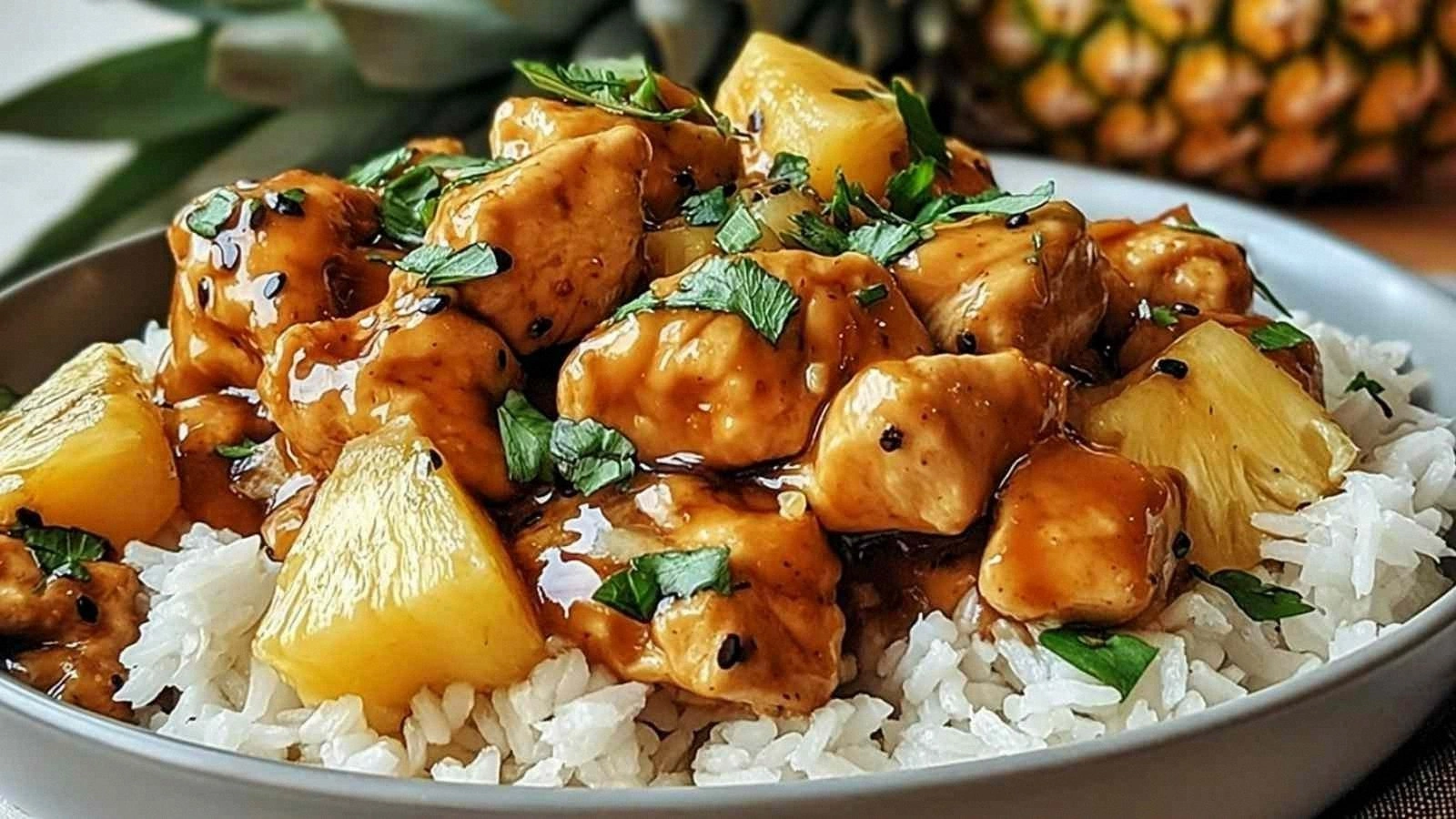
The aroma that followed was a sharp contrast: bright, citrusy pineapple mingled with the deep umami of soy, while the faint scent of toasted sesame oil whispered of Asian street food. I could hear the sizzle as the chicken pieces met the hot skillet, a crackle that promised crisp edges that shatter like thin ice. The sight of golden‑brown strips glistening with a glossy glaze was almost too pretty to eat, and the texture—tender meat wrapped in a sweet‑spicy coating—was a revelation. My senses were dancing, and I knew I’d found the missing piece of a dinner that could satisfy both comfort and adventure.
What makes this version stand out is not just the flavor profile; it’s the balance of protein, carbs, and healthy fats that turns an ordinary weeknight into a celebratory meal. The pineapple doesn’t just add sweetness; it introduces a subtle acidity that cuts through the richness of the chicken. The cornstarch thickener creates a silky sauce that clings to rice and veggies like velvet, while the sesame seeds add a nutty crunch that keeps each bite interesting. It’s hands down the best version you’ll ever make at home because every component works in harmony, and the result is a dish that feels both indulgent and wholesome.
I dare you to taste this and not go back for seconds. I’ll be honest—once I started, I ate half the batch before anyone else got a bite. Most recipes get this completely wrong by over‑cooking the chicken or under‑seasoning the sauce; here, the timing is precise and the flavor is unmistakable. Picture yourself pulling this out of the pan, the whole kitchen smelling incredible, and the steam curling like a fragrant cloud. Stay with me here—this is worth it.
What Makes This Version Stand Out
- Flavor Fusion: The sweet pineapple juice and savory soy sauce blend like a duet, creating a depth that ordinary stir‑fries lack. The result is a sauce that coats the chicken like velvet, leaving every bite saturated with flavor.
- Texture Contrast: Crispy edges on the chicken give way to a tender interior, while the edamame offers a satisfying snap that breaks the monotony of soft rice.
- Protein Power: With 1.5 lbs of chicken breast and 2 eggs, the dish packs a protein punch that keeps you full and energized.
- Low‑Calorie Sweetness: Pineapple provides natural sugars, eliminating the need for added sugar and keeping the calorie count respectable.
- Convenience: All the steps can be done in one pan, making cleanup a breeze and the cooking process efficient.
- Make‑Ahead Friendly: The sauce can be prepared a day ahead, and the dish holds up well in the fridge or freezer.
- Color Pop: The bright red bell pepper and green onions create a visual feast that makes the dish Instagram‑worthy.
- Versatility: Swap the brown rice for quinoa or cauliflower rice if you’re watching carbs, and the dish adapts without losing its core essence.
Alright, let's break down exactly what goes into this masterpiece…
Inside the Ingredient List
The Flavor Base
The foundation of this dish is a marriage of soy sauce, pineapple juice, and rice vinegar. Soy sauce provides the umami depth that anchors the sweetness of the pineapple, while the vinegar adds a bright, almost citrusy tang that prevents the sauce from becoming cloying. If you skip any of these, the dish loses its balance; it’ll either taste too sweet or too salty. A good tip: use a low‑sodium soy sauce if you’re watching sodium, and feel free to replace rice vinegar with apple cider vinegar for a slightly sweeter finish.
The Texture Crew
Brown rice is the unsung hero that absorbs the sauce without becoming mushy. Cook it to al dente and keep a bit of water in the pot; this will help maintain the grains’ structure. Edamame adds a pop of green and a protein boost, while crushed red pepper introduces a subtle heat that keeps the dish from being overly sweet. If you’re avoiding nuts, replace the cashews with sliced almonds for a different crunch.
The Unexpected Star
Pineapple chunks are not just for sweetness; they bring a juicy burst that contrasts the savory chicken. The acidity in pineapple also helps tenderize the meat, reducing cooking time and improving texture. If you’re craving a tropical twist, try adding a splash of coconut milk to the sauce—just keep an eye on the consistency.
The Final Flourish
Sesame seeds and green onions finish the dish with a delicate crunch and a fresh, herbaceous note. They’re not only decorative but also add a layer of flavor that ties everything together. If you’re allergic to sesame, you can sprinkle toasted sunflower seeds instead; they’ll give a similar nutty bite.
Everything's prepped? Good. Let's get into the real action…
The Method — Step by Step
- Heat 1 tablespoon of olive or sesame oil in a large skillet over medium‑high heat. Add the chicken pieces, seasoning them lightly with salt and pepper. Sauté until they develop a golden crust on all sides, about 5–7 minutes. This step is the moment of truth; the chicken should smell toasty and the edges will start pulling away. Don’t walk away from the stove here—stir occasionally to prevent sticking.
- While the chicken cooks, whisk together soy sauce, pineapple juice, honey, rice vinegar, and cornstarch in a small bowl until the cornstarch dissolves. This slurry will thicken the sauce without clumping. Add the mixture to the skillet after the chicken is browned, and stir to coat each piece evenly. The sauce should begin to bubble and thicken within 2 minutes, coating the chicken like a glossy glaze.
- Add the red bell pepper and pineapple chunks to the skillet, stirring to combine. The vegetables should soften slightly while retaining a bright color, and the pineapple should release its juice, further thickening the sauce. Let everything simmer together for 3–4 minutes, allowing the flavors to meld.
- In a separate pot, bring 3 cups of water to a boil. Add the brown rice, reduce heat to low, cover, and simmer for 45 minutes or until the grains are tender and the water is absorbed. Fluff the rice with a fork and set aside. The rice acts as the base that soaks up the sauce, so it’s crucial that it’s cooked just right.
- While the rice is cooking, whisk the eggs in a small bowl. Push the chicken and sauce mixture to one side of the skillet, crack the eggs into the empty space, and scramble until just set. Mix the eggs back into the main mixture, ensuring they’re evenly distributed. This adds a silky texture that complements the crunchy veggies.
- Fold in the edamame and green onions, cooking for an additional minute until the greens wilt slightly. The edamame should retain a vibrant green hue, and the onions will add a fresh, oniony finish.
- Remove the skillet from heat. Sprinkle crushed red pepper, sesame seeds, and chopped cashews over the top. Toss gently to combine, allowing the nuts to toast slightly from the residual heat. This final flourish adds a nutty crunch and a pop of color.
- Serve the chicken mixture over the fluffy brown rice, ensuring each bowl receives an even distribution of sauce and veggies. The dish should look vibrant, with bright reds, greens, and golden pineapple chunks glimmering in the sauce.
That's it — you did it. But hold on, I've got a few more tricks that'll take this to another level…
Insider Tricks for Flawless Results
The Temperature Rule Nobody Follows
Many people cook the chicken at too high a temperature, which can cause the exterior to burn before the interior is cooked through. I always set the skillet to medium‑high for the initial sear, then reduce to medium when adding the sauce. This keeps the sauce from scorching and ensures the chicken stays moist.
Why Your Nose Knows Best
Trust the aroma: when the sauce starts to thicken, the scent will change from sweet to slightly caramelized. That’s the cue to reduce the heat and let the flavors deepen. A good rule of thumb is to listen for a faint hiss when the sauce thickens.
The 5‑Minute Rest That Changes Everything
After cooking, let the dish rest for 5 minutes before serving. This allows the sauce to settle and the flavors to marry. I’ve tried serving immediately, and the result was a slightly watery texture that didn’t hold up. The rest period gives it that silky finish.
The Crunch Factor
Add the cashews or peanuts just before serving to preserve their crunch. If you add them earlier, they’ll absorb moisture and become soggy. A quick sprinkle of toasted sesame seeds adds a nutty aroma that enhances the overall profile.
The Secret Sauce Twist
If you want a deeper umami punch, add a splash of oyster sauce or hoisin sauce to the sauce mixture. Just a tablespoon will enrich the flavor without overpowering the pineapple’s brightness. I’ve found that this small addition can elevate the dish from good to unforgettable.
Creative Twists and Variations
This recipe is a playground. Here are some of my favorite ways to switch things up:
Coconut Curry Spin
Swap the rice vinegar for a splash of coconut milk and add a teaspoon of curry powder. The dish turns into a tropical curry with a creamy texture and warm spices.
Mediterranean Flair
Replace the soy sauce with tamari and add chopped olives, sun‑dried tomatoes, and a pinch of oregano. The result is a Mediterranean‑inspired stir‑fry with a briny, herbaceous twist.
Low‑Carb Edition
Use cauliflower rice instead of brown rice and reduce the amount of honey. The dish stays flavorful while keeping carbs in check, making it ideal for keto or low‑carb diets.
Spicy Sriracha Kick
Stir in a tablespoon of sriracha or another chili sauce for a fiery punch. The heat pairs beautifully with the sweet pineapple, creating a balanced spicy‑sweet profile.
Vegan Version
Replace the chicken with tofu or tempeh and use a plant‑based soy sauce. The tofu will soak up the sauce and offer a protein‑rich alternative that still delivers the same satisfying crunch.
Breakfast Boost
Serve the dish over scrambled eggs and top with a fried egg for a protein‑packed breakfast. The pineapple adds a sweet counterpoint to the savory eggs.
Storing and Bringing It Back to Life
Fridge Storage
Store leftovers in an airtight container in the refrigerator for up to 3 days. The rice may absorb some sauce, but the dish remains flavorful. Let it sit at room temperature for 10 minutes before reheating to bring back its freshness.
Freezer Friendly
For longer storage, freeze the dish in portions for up to 2 months. Thaw overnight in the fridge, then reheat in a skillet with a splash of water to prevent drying. The pineapple will remain juicy, and the sauce will re‑thicken.
Best Reheating Method
Reheat on the stovetop over medium heat, adding a tiny splash of water or broth to create steam. Stir frequently until heated through, ensuring the rice doesn’t stick to the pan. This method preserves the sauce’s glossy finish and keeps the chicken tender.