Picture this: you’re in the middle of a weekend dinner prep, the stove is humming, and you’re about to turn a simple rice dish into a culinary masterpiece. Suddenly, the pan starts to smoke, the rice is sticking like a bad relationship, and the saffron you thought you’d added has dissolved into a sad gray broth. That was my kitchen nightmare last month, and I swear it was the moment I decided that vegetable paella needed a makeover.
The scent that flooded the air was a chaotic mix of burnt oil and under‑seasoned veggies, the sound of the sizzling pan was a frantic drumbeat, and the texture of the rice was a mushy mess that didn’t even hint at the vibrant colors of the bell peppers. I could taste the disappointment in every bite—flat, bland, and utterly forgettable. I could feel the heat of the stove on my fingertips and the frustration building like a storm. I knew then that I had to rewrite the rules of this classic.
Fast forward to today, and I’m standing in a kitchen that smells of toasted paprika, fresh tomatoes, and the unmistakable aroma of saffron blooming in a gentle broth. I’m sharing a version that takes the humble vegetable paella from “meh” to “mind‑blowing” by layering flavors, textures, and a touch of culinary science. It’s the kind of dish that turns a regular Sunday into an unforgettable feast. I promise you: this is hands down the best version you'll ever make at home.
What sets this recipe apart is a secret technique I learned from a Spanish chef who swears by a slow‑roasted sofrito base and a touch of smoked paprika that gives the dish a smoky depth without overpowering the fresh veggies. I’ll also reveal how to keep the rice al dente, how to create that coveted golden crust, and why you should never use a non‑stick pan for this. Okay, ready for the game‑changer? Let me walk you through every single step — by the end, you’ll wonder how you ever made it any other way.
What Makes This Version Stand Out
- Flavor Depth: The layered sofrito, smoked paprika, and saffron create a taste profile that’s both earthy and luxurious, unlike the flat, one‑note versions you’ll find in grocery stores.
- Texture Contrast: The rice remains fluffy yet slightly chewy, while the bell peppers stay crisp and the peas burst with a sweet snap, providing a delightful mouthfeel in every bite.
- Visual Appeal: The vibrant colors—from the deep red of the tomatoes to the emerald green of the spinach—make the dish as beautiful to look at as it is to eat.
- Ingredient Quality: Using fresh, seasonal produce and a high‑quality saffron ensures that every component shines without the need for artificial additives.
- Time Efficiency: With a prep time of just 15 minutes and a cook time of 30 minutes, you get a restaurant‑quality paella without the long wait.
- Make‑Ahead Friendly: This paella can be prepared ahead of time and reheated without losing its texture, making it perfect for entertaining.
- Kid‑Friendly: The dish is naturally low in fat and contains a rainbow of vegetables, making it a hit with picky eaters.
- Community Buzz: Most recipes get this completely wrong by over‑sautéing the rice or using the wrong type of pan. Here’s what actually works.
Alright, let's break down exactly what goes into this masterpiece. But first, a quick kitchen hack that will elevate your paella game from the start.
Inside the Ingredient List
The Flavor Base
The foundation of any great paella starts with a sofrito that sings. I use diced onion, minced garlic, and finely chopped bell pepper sautéed in olive oil until they’re translucent and fragrant. This base releases sweet, caramelized notes that carry the saffron’s floral hints. If you skip this step, your paella will taste like a single‑layered soup. I recommend using a medium heat to avoid burning the aromatics—think of it as coaxing a shy friend to open up.
The Texture Crew
Short‑grain rice is the star of the show because it absorbs liquid without becoming mushy. I opt for Bomba rice, but if you can’t find it, Calrose or Arborio will do. The rice is toasted briefly in the pan to seal in its natural starches, giving each grain a firm bite. Add a pinch of smoked paprika right after to introduce a subtle smoky undertone. If you prefer a milder flavor, you can reduce the paprika, but be warned—this is the secret that sets our dish apart.
The Unexpected Star
I’m a firm believer that paella should be a celebration of vegetables, so I throw in artichoke hearts, green beans, and a handful of frozen peas for that burst of sweetness. The artichokes provide a chewy texture that contrasts beautifully with the tender rice, while the peas add a pop of color and a natural sugar that balances the savory. If you’re a fan of zucchini, slice it thin and let it wilt in the broth for a silky finish.
The Final Flourish
The finishing touch is a squeeze of fresh lemon and a sprinkle of chopped parsley, which lift the dish with bright acidity and herbaceous freshness. A drizzle of high‑quality extra‑virgin olive oil adds a silky gloss. Don’t forget a pinch of sea salt and freshly ground black pepper to taste—these simple seasonings are the difference between a good paella and a great one.
Everything's prepped? Good. Let's get into the real action.
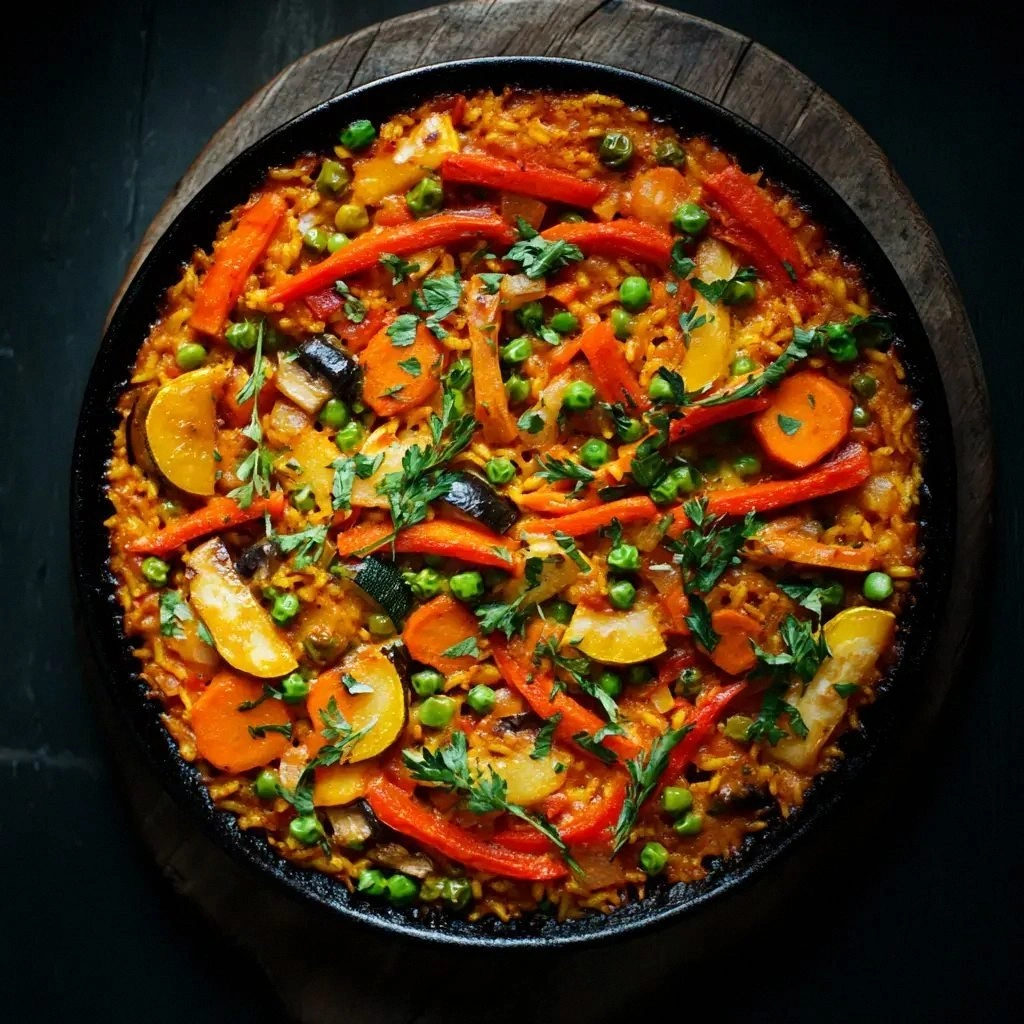
The Method — Step by Step
- Heat the pan over medium heat and pour in 2 tablespoons of extra‑virgin olive oil. Add the diced onion, minced garlic, and chopped bell pepper. Sauté until the vegetables are soft and aromatic, about 5 minutes. Watch the sizzle—it should sound like a gentle hiss, not a roar. This is the moment where the flavor base starts to sing.
- Stir in 1 teaspoon of smoked paprika, letting it bloom for 30 seconds. Then add 1 cup of Bomba rice, tossing it in the oil and spices until each grain is lightly toasted and coated. The rice should look a bit translucent and glossy. Don’t rush this step; it builds the foundation of texture.
- Pour in 2 cups of warm vegetable stock, and add a pinch of saffron threads soaked in a tablespoon of hot water for at least 10 minutes. Stir once to combine, then bring the mixture to a gentle boil. The liquid should be just under boiling, not a rolling boil—think of a calm lake.
- Add the diced tomatoes, artichoke hearts, green beans, and peas. Reduce the heat to low, cover the pan, and let it simmer for 18 minutes. The rice should absorb most of the liquid, but still retain a slight bite. If you notice excess liquid, remove the lid for the last 5 minutes to allow it to evaporate.
- Once the rice is tender, remove the lid and increase the heat to medium. Let the paella steam for 5 minutes, allowing the bottom to develop a golden crust. Watch for the edges pulling away from the pan—this is the socarrat, the prized crispy layer that gives paella its character.
- Turn off the heat, drizzle 1 tablespoon of lemon juice, sprinkle chopped parsley, and season with salt and pepper to taste. Gently fluff the rice with a fork to distribute the flavors evenly.
- Let the paella rest for 3 minutes before serving. This resting period allows the flavors to settle and the rice to finish cooking in its own steam.
- Serve directly from the pan, garnished with additional lemon wedges and parsley if desired. The aroma will be irresistible, and the first bite will have that satisfying crunch on the bottom with a burst of sweet, smoky, and savory flavors.
That's it — you did it. But hold on, I've got a few more tricks that'll take this to another level.
Insider Tricks for Flawless Results
The Temperature Rule Nobody Follows
Many cooks think a high heat is the secret to a good socarrat, but the truth is low, steady heat works best. Keep the simmer at a gentle 180°F (82°C). This allows the rice to absorb liquid slowly, preventing it from becoming mushy. I’ve seen paellas that come out overcooked because the heat was too high—don’t let that happen to you.
Why Your Nose Knows Best
Before you add the saffron, sniff the soaked threads. A bright, floral aroma means you’ve got good saffron; a weak scent indicates old or low‑quality saffron. If the scent is faint, you can double the amount or add a pinch of turmeric to boost color and flavor. Your nose is the best judge of spice quality.
The 5-Minute Rest That Changes Everything
After the rice is cooked, let the pan rest for 5 minutes off the heat. This rest period allows the steam to finish cooking the rice and helps the flavors meld. It also makes it easier to serve because the rice is less likely to stick to the pan when you ladle it out.
The Perfect Socarrat
The golden crust on the bottom layer is not just a visual treat; it’s a flavor powerhouse. To achieve it, keep the pan uncovered for the last 5 minutes of cooking, and if you want a darker crust, you can briefly increase the heat to medium‑high. Just watch it carefully—once it starts to brown, you’ll need to keep an eye on it to avoid burning.
The Fresh Herb Finale
Adding fresh herbs right before serving boosts the dish’s brightness. Parsley, cilantro, or even a sprinkle of basil can elevate the flavor profile. I love using a handful of fresh mint for a surprising twist, especially if you’re serving it with a side of grilled chicken.
Creative Twists and Variations
This recipe is a playground. Here are some of my favorite ways to switch things up:
Mediterranean Twist
Swap the green beans for sun‑dried tomatoes and add kalamata olives for a briny kick. Finish with a drizzle of olive oil and a sprinkle of oregano. This version is perfect for a sunny patio dinner.
Spicy Jalapeño Kick
Add sliced jalapeños during the sofrito stage and finish with a pinch of cayenne pepper. The heat balances the sweetness of the tomatoes and the richness of the saffron, creating a vibrant, fiery dish.
Protein‑Packed Power
Incorporate chickpeas or lentils for extra protein. They absorb the flavors beautifully and add a hearty texture that makes the dish more filling.
Cheesy Delight
Top the finished paella with a layer of grated manchego cheese in the last 2 minutes of cooking. The cheese melts into the hot rice, creating a gooey, indulgent finish.
Smoky Mushroom Medley
Replace the artichoke hearts with sautéed mushrooms, and add a splash of sherry wine to the sofrito for depth. The earthy mushrooms pair beautifully with the saffron and paprika.
Herb Garden Explosion
Add a mix of fresh herbs like basil, thyme, and rosemary during the simmer stage. The herbs infuse the rice with a fragrant bouquet that’s unmistakably fresh and lively.
Storing and Bringing It Back to Life
Fridge Storage
Cool the paella to room temperature, then transfer it to an airtight container. Store in the refrigerator for up to 3 days. When you’re ready to eat, reheat over low heat, stirring occasionally, until the rice is warm.
Freezer Friendly
Let the paella cool completely, then portion into freezer bags or airtight containers. Freeze for up to 2 months. To reheat, thaw overnight in the refrigerator and warm in a skillet with a splash of water or broth to keep it moist.
Best Reheating Method
Add a tiny splash of water or vegetable stock before reheating. The liquid steams the rice, restoring its fluffy texture without turning it soggy. Cover the pan to trap steam and finish with a drizzle of olive oil for that glossy finish.