Ever had that moment when you stare at a half‑empty fridge, hear the distant hum of the refrigerator, and suddenly the scent of something bright and citrusy invades your kitchen like a mischievous breeze? I was in that exact spot last Tuesday, battling the urge to order takeout after a marathon of meetings that left my brain fried and my stomach growling like a low‑frequency drum. I grabbed a couple of chicken breasts, a bag of rice noodles, and a handful of fresh herbs, and thought, “What if I could turn these leftovers into a dish that feels like a trip to a bustling Saigon street market?” That reckless spark of curiosity turned into a full‑blown culinary adventure, and the result is what I’m about to share with you.
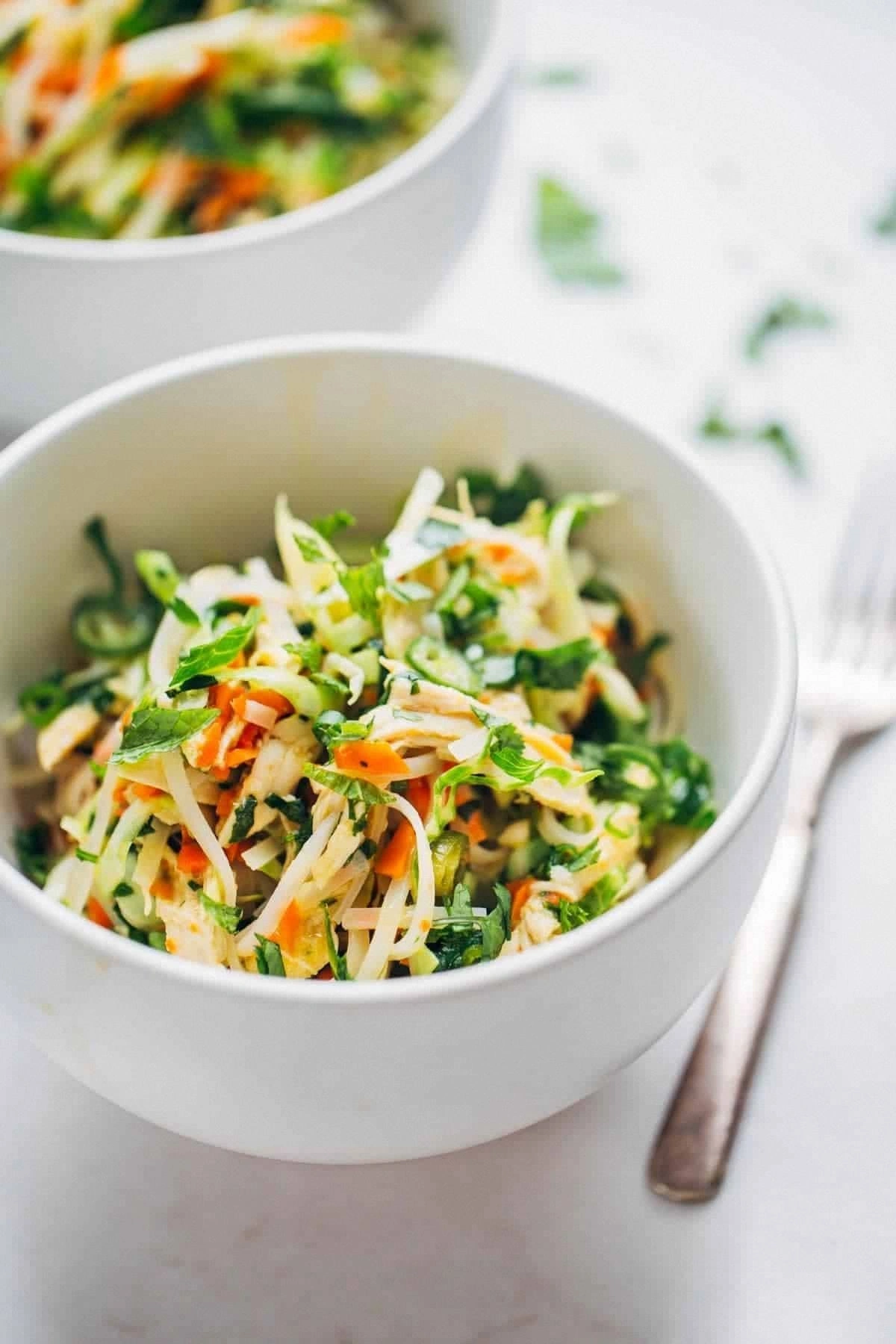
The first bite of this Vietnamese‑Inspired Chicken Salad hits you with a bright burst of lime, a whisper of fish sauce, and the comforting umami of toasted peanuts—all dancing together on a bed of silky rice noodles that soak up the dressing like a sponge at a spa. Imagine the crunch of fresh lettuce and carrots, the aromatic lift of mint and cilantro, and a subtle heat from a single chili that makes your tongue tingle without stealing the show. The flavors are layered like a well‑written novel: each chapter builds on the last, leading to a climax that makes you want to close your eyes and savor every nuance.
Most recipes I’ve tried either drown the chicken in a watery sauce or overload the salad with too many herbs, leaving you with a muddled mess that tastes like a grocery store aisle. This version, however, respects each component—using a precise balance of salty, sweet, sour, and spicy that lets the chicken shine while the noodles provide that comforting body. The secret? A quick marination that infuses the meat with depth, and a dressing that’s whisked together at the exact moment the noodles finish cooking, so every strand gets coated with a glossy, flavorful veil.
And here’s the kicker: I’m going to reveal a technique that most home cooks skip entirely—tempering the lime juice with a dash of warm broth to mellow its acidity without sacrificing brightness. Trust me, this tiny tweak makes the entire salad feel restaurant‑grade, and you’ll be wondering why you ever settled for anything less. Let me walk you through every single step — by the end, you’ll wonder how you ever made it any other way.
What Makes This Version Stand Out
- Flavor Harmony: The dressing balances salty fish sauce, sweet sugar, and sharp lime, creating a symphony that sings on the palate without any single note dominating.
- Texture Contrast: Crispy peanuts, tender noodles, and juicy chicken create layers that keep your mouth busy from the first bite to the last.
- Simplicity: Fewer than fifteen ingredients, most of which you probably already have, mean you can pull this together on a weekday without a grocery run.
- Freshness Factor: Fresh herbs aren’t just garnish; they’re integral, delivering aromatic bursts that elevate the entire dish.
- Make‑Ahead Magic: The components can be prepped ahead of time and assembled minutes before serving, perfect for busy evenings.
- Universal Appeal: Even picky eaters love the gentle heat and bright flavors, making it a crowd‑pleaser at family dinners or casual gatherings.
- Ingredient Quality: Using high‑quality fish sauce and fresh lime juice makes a world of difference—cheap shortcuts are noticeable.
- Cooking Method: A quick pan‑sear locks in chicken juices, while the noodles are blanched just until tender, preserving their natural chew.
Inside the Ingredient List
The Flavor Base
Fish sauce is the cornerstone of Vietnamese cuisine, delivering a deep, briny umami that you can’t replicate with soy sauce alone. I use a premium, sustainably sourced variety that smells like the sea after a storm—if it smells off, the whole dish suffers. If you’re allergic to fish, a good quality mushroom soy sauce can stand in, though you’ll lose a touch of that oceanic depth.
Fresh lime juice provides the bright, citrusy punch that cuts through the richness of the chicken and peanuts. Always juice the lime just before you need it; pre‑bottled juice turns sour and flat, stealing the dish’s vibrancy. A quick tip: roll the lime on the countertop under your palm before cutting to maximize juice extraction.
Sugar balances the salt and acid, smoothing the edges of the dressing so it feels cohesive rather than jagged. I prefer white granulated sugar because it dissolves instantly, but a touch of honey adds a mellow floral note if you’re feeling adventurous.
The Texture Crew
Rice noodles are the soft, comforting base that absorbs the dressing without turning mushy. Choose flat, medium‑width noodles; they have just enough surface area to hold onto the sauce while staying pleasantly chewy. If you accidentally overcook them, a quick rinse under cold water and a drizzle of oil can rescue them.
Shredded lettuce adds crisp freshness, acting like a palate cleanser between bites. I like a mix of romaine and butter lettuce for both crunch and buttery texture. Don’t substitute iceberg—it’s too watery and will dilute the dressing.
Julienned carrots and cucumber contribute a subtle sweetness and crunch that contrast the soft noodles. Peel the carrots for a smoother bite, but leave the cucumber skin on for extra color and a slight peppery note.
The Unexpected Star
Roasted peanuts, chopped coarsely, bring an earthy nuttiness and a satisfying crunch that echoes the dish’s Asian roots. Toast them in a dry skillet for two minutes until golden; this intensifies their flavor and prevents them from feeling raw.
Fresh herbs—mint, cilantro, and Thai basil—are aromatic powerhouses. Their volatile oils release instantly when you bite, creating a fragrant finish that feels like a garden breeze. If you’re not a fan of cilantro’s “soapy” note, increase the mint or basil to keep the herbaceous balance.
The Final Flourish
A drizzle of sesame oil adds a whisper of toasted richness that ties the entire salad together. Use only a tablespoon; too much will dominate the delicate lime and fish sauce notes. Finally, a pinch of sea salt enhances all the flavors, but remember the fish sauce is already salty, so taste before you add more.
Everything's prepped? Good. Let's get into the real action...
The Method — Step by Step
Start by thinly slicing the chicken breasts against the grain; this ensures each bite is tender and easy to chew. Place the slices in a bowl, then drizzle with 1 tablespoon of fish sauce, 1 tablespoon of soy sauce, 1 teaspoon of sugar, and the minced garlic. Toss everything together and let it marinate for at least 10 minutes while you prep the vegetables. The aroma that rises is a promise of umami heaven.
While the chicken marinates, bring a large pot of water to a rolling boil. Add a generous pinch of salt, then drop in the rice noodles. Cook for 3‑4 minutes, just until they’re al dente—think “soft but still has a bite.” Drain, rinse under cold water, and toss with a drizzle of sesame oil to keep them from sticking together. This is the moment where the noodles become a silky canvas for the dressing.
Now, move to the veggies. Shred the lettuce, julienne the carrots, and slice the cucumber into half‑moon pieces. Toss them together in a massive mixing bowl, then scatter the fresh mint, cilantro, and Thai basil over the top. The colors should look like a vibrant painter’s palette—green, orange, and white swirls inviting you to dive in.
Time for the dressing. In a small saucepan, combine 2 tablespoons of lime juice, the remaining 1 tablespoon of fish sauce, 1 tablespoon of soy sauce, 1 teaspoon of sugar, and the sliced chili. Warm the mixture over low heat for just 30 seconds—just enough to dissolve the sugar and coax the flavors together without cooking off the lime’s bright zing.
- Watch Out: If you let the dressing boil, the lime will turn bitter and the chili’s heat will become harsh. Keep the heat low and the time short.
Heat a large skillet over medium‑high heat and add a splash of oil. When the oil shimmers, add the marinated chicken in a single layer. Let it sear without moving for 2‑3 minutes; you’ll hear a satisfying sizzle that signals a crust forming. Flip the pieces and cook another 2 minutes until the chicken is just cooked through but still juicy.
While the chicken rests, pour the warm dressing over the noodle‑vegetable mixture. Toss vigorously with tongs so every noodle strand becomes glossy and every herb gets a light coating. The noodles should glisten like a sunrise over a calm sea.
Slice the rested chicken into bite‑size strips and fold them into the salad. Sprinkle the chopped roasted peanuts on top, then give the entire bowl one final gentle toss. The peanuts add a crunch that shatters like thin ice under a fork, creating an audible delight.
Finish with a final drizzle of sesame oil and a pinch of sea salt, tasting and adjusting the balance of salty, sweet, and sour as needed. If the salad feels a touch too bright, add another splash of oil; if it needs more zing, squeeze an extra half‑lime.
Serve immediately, or let it sit for 5 minutes to let the flavors meld. I dare you to taste this and not go back for seconds—once you’ve experienced the harmony, you’ll be reaching for the bowl again and again.
Insider Tricks for Flawless Results
The Temperature Rule Nobody Follows
Never let the pan get so hot that the chicken burns before the interior cooks. A medium‑high setting is perfect; you’ll hear a gentle hiss, not a scream. If you notice the oil smoking, pull the pan off the burner for a few seconds, then return it. This subtle temperature dance keeps the chicken juicy and the edges beautifully caramelized.
Why Your Nose Knows Best
Before you add the lime juice, pause and inhale the aromatics of the garlic and fish sauce. Your nose can detect whether the balance is off—if it smells too salty, add a pinch of sugar; if it’s too sharp, a dash of sesame oil will smooth it out. Trusting your olfactory sense saves you from a bland finish.
The 5‑Minute Rest That Changes Everything
After searing, let the chicken rest for exactly five minutes, covered loosely with foil. This resting period lets the juices redistribute, preventing a dry bite. Skipping this step is the most common rookie mistake; the result is a salad that feels dry and lacks that succulent mouthfeel.
Peanut Toasting Perfection
Roasting peanuts in a dry skillet for just two minutes until they turn golden not only intensifies their flavor but also adds a smoky undertone that complements the lime. Keep them moving constantly; they can go from perfect to burnt in seconds.
Herb Preservation Power
To keep mint and cilantro from wilting, rinse them in ice water for 30 seconds, spin dry, then pat gently with a paper towel. This shock technique revives the leaves, preserving their bright color and aromatic punch right up to plating.
Creative Twists and Variations
This recipe is a playground. Here are some of my favorite ways to switch things up:
Spicy Sriracha Splash
Add a tablespoon of sriracha to the dressing for a smoky heat that lingers on the palate. Pair it with extra sliced jalapeños for those who love a serious kick. This version is perfect for a game‑day snack that still feels fresh.
Grilled Lemongrass Chicken
Before marinating, thread the chicken strips onto skewers with lemongrass stalks and grill them for a few minutes per side. The char adds a smoky depth, while the lemongrass infuses a citrusy perfume that elevates the whole salad.
Veggie‑Only Delight
Swap the chicken for firm tofu cubes, pressed and pan‑fried until golden. The tofu absorbs the dressing beautifully, making this a satisfying vegetarian option that still offers protein and texture.
Crunchy Coconut Noodles
Toast shredded coconut lightly and mix it into the noodles before tossing with the dressing. The subtle sweetness and extra crunch create a tropical twist that pairs wonderfully with the lime.
Peanut Butter Creaminess
Stir a tablespoon of smooth peanut butter into the warm dressing for a richer, creamier mouthfeel. This adds a velvety coating that feels like a silk scarf hugging each noodle strand.
Storing and Bringing It Back to Life
Fridge Storage
Place the salad in an airtight container, keeping the dressing separate if you plan to store for more than two hours. The noodles will stay tender, and the herbs will stay vibrant for up to 24 hours. When ready to eat, simply pour the dressing over and give it a quick toss.
Freezer Friendly
Chicken and noodles freeze well when kept apart from the fresh herbs and peanuts. Store the chicken and noodles in zip‑top bags with a thin layer of dressing to prevent freezer burn. They’ll keep for up to three months; thaw in the refrigerator overnight, then re‑assemble the salad.
Best Reheating Method
To revive leftovers, sprinkle a tiny splash of water over the noodles in a skillet, cover, and warm over low heat for two minutes. The steam revives the noodles’ chew, while the dressing re‑emulsifies, delivering that fresh‑made sensation again.