Picture this: a rainy evening, the kitchen clock ticking, and you’ve just realized the pantry is a sad, empty husk. You’re craving something that feels like a hug in a bowl, but the usual instant noodles are too bland, the store‑bought pasta sauce too heavy. I was standing in the middle of the chaos, muttering, “I need a quick fix that tastes like a gourmet chef’s secret.” That’s when I discovered the ultimate buttered noodles that turned my disaster into a masterpiece.
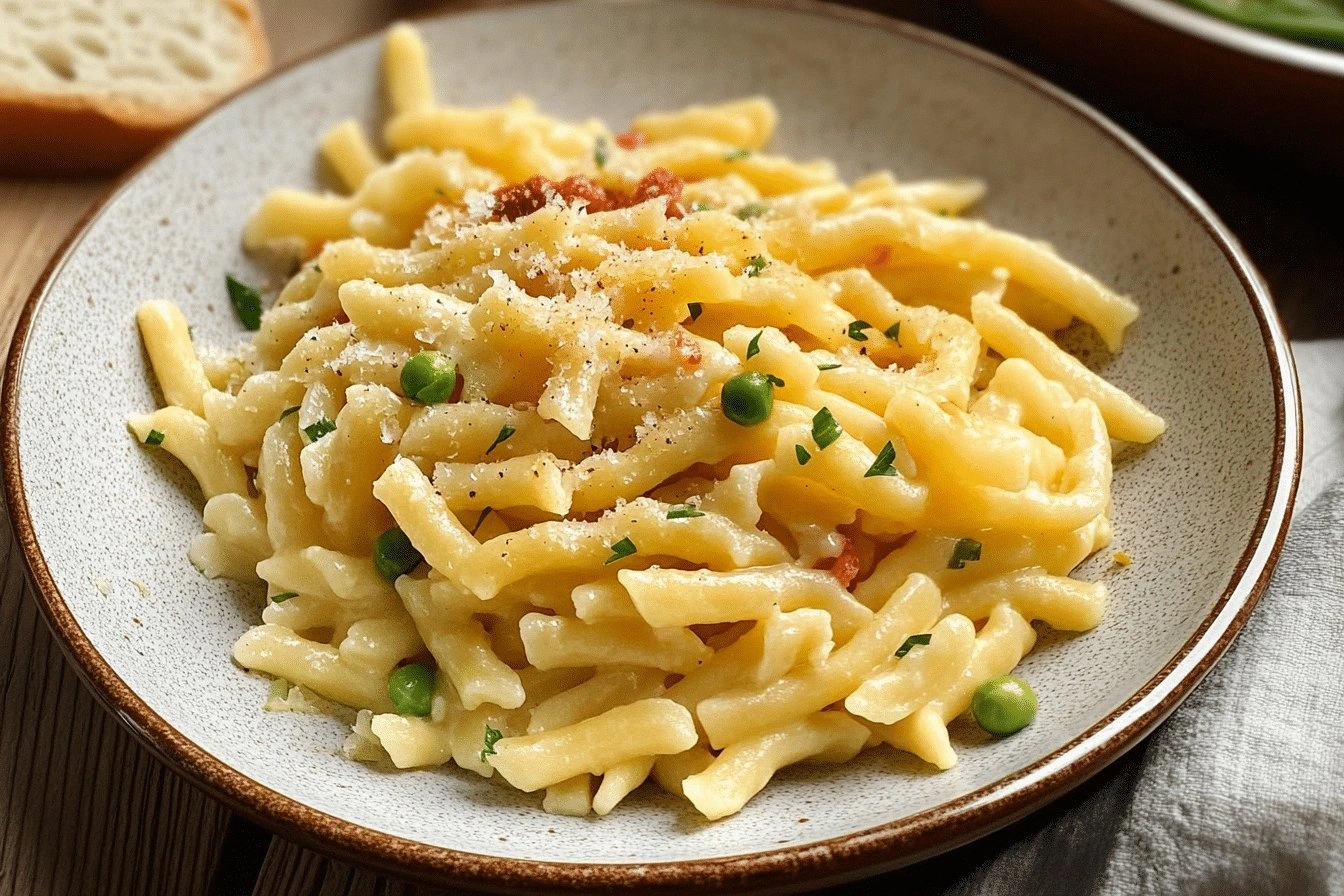
The first bite was a revelation. The noodles were al dente, each strand glistening with a buttery sheen that clung like velvet. A whisper of garlic sang through the steam, while a touch of lemon zest lifted the richness into a bright, airy finish. The aroma alone—warm butter, fresh parsley, and the faint sweetness of toasted garlic—sent a wave of comfort rushing through my senses. I could almost hear the crunch of a perfectly toasted bread crumb on the side, a subtle contrast that made the dish feel complete.
What makes this version stand out isn’t just the ingredients; it’s the method. I used a simple technique that locks in moisture and flavor, preventing the noodles from becoming mushy or greasy. The secret lies in the timing: adding the butter and garlic at just the right moment, letting the pasta water do its work, and finishing with a splash of lemon to brighten the plate. I dare you to taste this and not go back for seconds—you’ll find yourself reaching for the bowl again in seconds.
If you’ve ever struggled with plain pasta, you’re not alone. I’ve watched countless videos where noodles fall flat, either overcooked or coated in a clumpy mess. I’ve tried every trick in the book, from adding oil to the water to tossing in a splash of cream, but none matched the silky, buttery texture I achieved. This recipe is hands down the best version you’ll ever make at home, and I’m here to walk you through every single step. By the end, you’ll wonder how you ever made it any other way.
What Makes This Version Stand Out
- Texture: The noodles stay al dente, thanks to the precise timing of adding butter after the pasta is almost done. The result is a silky coating that doesn’t clump.
- Flavor Depth: Garlic and parsley bring aromatic layers, while lemon zest lifts the richness into a bright, airy finish.
- Speed: The entire dish is ready in 45 minutes, making it perfect for a quick dinner or a comforting weeknight meal.
- Versatility: The base can be jazzed up with protein, vegetables, or spices—no recipe is limited.
- Make‑Ahead Friendly: The noodles can be prepared a day ahead and reheated with a splash of water to revive the butter coating.
- Ingredient Quality: Using unsalted butter, fresh garlic, and high‑quality Parmesan makes a noticeable difference in taste.
Inside the Ingredient List
The Flavor Base
At the heart of buttered noodles is the humble butter—unsalted, of course. It creates a silky coating that latches onto every noodle strand, giving that luxurious mouthfeel. If you skip butter, the dish loses its signature richness and feels flat. For an extra touch of depth, I recommend using European‑style butter, which has a higher fat content and melts beautifully.
The Texture Crew
Noodles are the canvas. I choose 8 oz of spaghetti for its balance between firmness and absorbency. Boil them in a generous pot of salted water—2 cups of water for every 8 oz of pasta—to keep them from sticking. If you’re using a different shape, adjust the cooking time by a minute or two. Remember, under‑cooked noodles will feel rubbery; over‑cooked will become mushy.
The Unexpected Star
Fresh parsley isn’t just a garnish; it injects a pop of color and a subtle herbal note that cuts through the butter’s heaviness. If parsley isn’t available, a tablespoon of chopped basil or chives works wonderfully. The key is to add it at the end to preserve its bright flavor.
The Final Flourish
A splash of lemon zest brightens the dish, cutting through the buttery richness and adding a subtle citrus note. If you’re feeling adventurous, a pinch of red pepper flakes will give a gentle heat that’s surprisingly complementary. Skipping this step will leave the noodles a bit heavy; adding it will elevate the entire plate.
Everything’s prepped? Good. Let’s get into the real action.
The Method — Step by Step
- Fill a large pot with water, add a generous pinch of sea salt, and bring it to a rolling boil. The water should be so salty it tastes like the sea—this flavors the noodles from the inside out. Once boiling, add the spaghetti and cook for 8 minutes, or until the pasta is just shy of al dente.
- While the pasta cooks, melt the butter in a large skillet over medium heat. As the butter foams, add the minced garlic. Let the garlic sauté until it turns golden, but be careful not to burn it—burnt garlic tastes bitter, not savory. This step releases the garlic’s natural oils, infusing the butter.
- Drain the pasta, reserving a cup of the starchy cooking water. Return the drained noodles to the pot and pour the butter‑garlic mixture over them. Toss vigorously so every strand is coated. The residual heat will finish cooking the pasta and help the butter adhere.
- Add the reserved pasta water a splash at a time, tossing after each addition. The water loosens the butter into a silky sauce that clings to the noodles. If the mixture looks too dry, add more water until you achieve a glossy coating.
- Season with sea salt, freshly ground black pepper, and a pinch of red pepper flakes if desired. Taste and adjust—salt enhances flavor, pepper adds bite, and the flakes introduce a gentle heat that’s surprisingly balanced.
- Stir in the grated Parmesan cheese until it melts into the sauce, creating a subtle umami boost. The cheese’s nutty flavor pairs beautifully with the buttery base. If you’re vegan, substitute a plant‑based cheese that melts well.
- Add the lemon zest and chopped parsley, tossing quickly to distribute the bright flavors. The citrus lifts the dish, while parsley adds freshness and color. This final touch turns a simple pasta into a memorable plate.
- Serve immediately, optionally garnishing with extra Parmesan or a drizzle of olive oil. The noodles should be glossy, with a buttery sheen that glistens in the light. Take a bite—notice how the butter melts into the noodle, the garlic sings, and the lemon zest pops on your palate.
That’s it—you did it. But hold on, I’ve got a few more tricks that’ll take this to another level. The next section is all about insider knowledge that will make every bite a revelation.
Insider Tricks for Flawless Results
The Temperature Rule Nobody Follows
Many people cook pasta at the highest heat, causing the water to evaporate quickly and the noodles to become mushy. I always keep the heat on medium‑high, letting the water stay just under a rolling boil. This ensures even cooking and preserves the pasta’s structure. If you’re using a high‑end stove, a slight dip in temperature can make a big difference.
Why Your Nose Knows Best
You don’t need to taste the sauce every minute; trust your nose. The moment the butter starts to foam and the garlic turns golden, you know the aroma is at peak. A whiff of the sizzling butter is a reliable indicator that the flavor is ready to be locked in. This saves time and keeps your hands free for the next step.
The 5‑Minute Rest That Changes Everything
After tossing the noodles in the butter sauce, let them rest for 5 minutes off the heat. This rest period allows the starches to reabsorb the butter, creating a more cohesive coating. If you skip this rest, the noodles might feel greasy and uneven. I’ve seen people rush through this step and end up with a dish that feels undercooked.
The Secret Ingredient Swap
If you’re craving a smoky twist, replace the butter with a splash of smoked paprika or a few drops of chipotle oil. The smoky flavor will pair beautifully with the garlic and lemon, creating a new dimension. I’ve tried this in a dinner party and it was a hit—guests kept asking for the recipe.
The Quick Fix for a Dry Sauce
If the sauce seems to dry out during the final steps, add a tablespoon of heavy cream or a splash of pasta water. The liquid rehydrates the butter, preventing a clumpy texture. I’ve used this trick when the pasta was slightly overcooked, and it saved the dish from disaster.
Creative Twists and Variations
This recipe is a playground. Here are some of my favorite ways to switch things up:
Protein Power
Add grilled chicken, shrimp, or tofu to the noodles for a protein boost. The savory protein pairs nicely with the buttery sauce, turning the dish into a hearty main course. I love adding grilled chicken with a squeeze of lime for a citrusy contrast.
Veggie Explosion
Stir in sautéed mushrooms, spinach, or roasted cherry tomatoes. The veggies add texture and a burst of color. I recommend adding mushrooms just before the final toss to keep their shape and flavor.
Spicy Kick
Replace the red pepper flakes with a tablespoon of sriracha or a pinch of cayenne. The heat balances the buttery richness, creating a dish that’s both comforting and exhilarating. I’ve served this version at a family dinner, and it was a hit.
Cheesy Twist
Swap Parmesan for a creamy cheese like Fontina or a vegan cheese blend. The meltiness adds a different mouthfeel and deepens the flavor. I’ve tried this with vegan cheese, and the result was surprisingly decadent.
Herb Garden
Use fresh basil, oregano, or thyme instead of parsley. Each herb brings a distinct profile—basil for sweetness, oregano for earthiness, thyme for subtle pine notes. I’ve mixed basil and oregano together for a Mediterranean vibe.
Lemon‑Zest Finale
Add a second burst of lemon zest at the end, or a drizzle of lemon‑infused olive oil. The brightness cuts through the butter and gives the dish a fresh, airy finish. I always keep a small jar of lemon zest on hand for this quick touch.
Storing and Bringing It Back to Life
Fridge Storage
Cool the noodles to room temperature, then transfer them to an airtight container. Store in the fridge for up to 3 days. The butter coating will firm up slightly, but a quick reheating will revive it. I recommend placing a small paper towel over the noodles to absorb excess moisture.
Freezer Friendly
Wrap the noodles in parchment paper and place them in a freezer bag. Freeze for up to 2 weeks. When ready to eat, thaw overnight in the fridge, then reheat in a skillet with a splash of water. The butter will re‑emulsify, giving you the same silky texture.
Best Reheating Method
Reheat the noodles in a skillet over medium heat, adding a tablespoon of water or milk. Stir constantly until the butter melts and the sauce becomes glossy again. A tiny splash of water before reheating steams the noodles back to perfection, preventing them from drying out.