I was halfway through a midnight snack, scrolling through Pinterest, when I realized I had a terrible mistake: I had forgotten the pesto that should have been in the pantry. The kitchen smelled faintly of burnt garlic from the last pizza I tried to resurrect, and my taste buds were demanding something green, fresh, and comforting. I stared at the empty jar, then at the pot of linguine boiling on the stove, and thought, “I’m going to make the most incredible pesto ricotta pasta I’ve ever tasted, and I’ll prove it.”
The scene was chaotic yet oddly cinematic. Steam curled from the pot, mingling with the sharp aroma of basil, pine nuts, and a hint of garlic that seemed to sing in the air. The sound of the bubbling water was a steady drumbeat, while the clatter of the skillet’s metal rim echoed like a distant choir. I could almost taste the velvety sauce coating each noodle, the contrast of creamy ricotta against the bright, herbaceous pesto, and the savory crunch of the sausage edges. My hands moved with a rhythm that felt like a dance, each action building toward a crescendo of flavor.
What makes this version stand out is that it’s not just a remix of a classic; it’s a revelation. I’ve stripped away the fluff and added a secret ingredient that elevates the dish from ordinary to unforgettable. The result is a sauce that clings to pasta like a silk scarf, a sausage that delivers a savory punch, and a final touch of basil that adds a pop of color and freshness. I dare you to taste this and not go back for seconds; it’s that addictive. I’ll be honest — I ate half the batch before anyone else got to try it, and the kitchen smelled like a Mediterranean garden.
If you’ve ever struggled with pesto sauces that turn watery or pasta that feels mushy, you’re not alone. Most recipes get this completely wrong, but here’s what actually works. Picture yourself pulling this out of the pot, the whole kitchen smelling incredible, the noodles gleaming with a glossy sauce. Let me walk you through every single step — by the end, you’ll wonder how you ever made it any other way.
What Makes This Version Stand Out
- Taste: The bright, herbaceous pesto is balanced by a creamy ricotta base that smooths the sharpness of basil and garlic. The result is a harmonious blend that sings on the tongue, with each bite offering a burst of green and a whisper of citrus.
- Texture: The pasta remains al dente, providing a satisfying bite that contrasts with the silky sauce. The sausage adds a satisfying crunch on the edges, while the ricotta creates a luscious coating that doesn’t separate.
- Simplicity: With only eight ingredients, this dish can be whipped up in under 45 minutes. No fancy equipment or long prep time—just a pot, a skillet, and a dash of confidence.
- Uniqueness: The secret sauce trick—adding reserved pasta water to the ricotta—keeps the sauce creamy without clumping. This small tweak transforms a standard recipe into a showstopper.
- Crowd Reaction: Friends who’ve tried this rave it as a “weeknight gourmet.” They say the sauce coats the noodles like velvet, and the sausage’s golden edges are the talk of the table.
- Ingredient Quality: Fresh, high‑quality pesto and whole‑milk ricotta make the difference. The quality of these core ingredients is what sets the dish apart from mass‑produced versions.
- Cooking Method: The technique of deglazing the skillet with pasta water before adding ricotta locks in flavor and ensures a smooth sauce.
- Make‑Ahead Potential: The sauce can be pre‑made and refrigerated for up to 48 hours, and the pasta can be reheated with a splash of water, making it a perfect “cook once, eat again” option.
Alright, let's break down exactly what goes into this masterpiece…
Inside the Ingredient List
The Flavor Base
The pesto is the heart of this dish. It’s a vibrant green sauce made from basil, pine nuts, garlic, Parmesan, and olive oil. Fresh basil gives it that bright, herbaceous punch, while the pine nuts add a subtle nuttiness. If you’re feeling adventurous, try a sun‑dried tomato pesto for a sweeter, deeper flavor. Remember, the quality of your pesto will dictate the final taste—go for a jar that’s made with real olive oil, not a cheap substitute.
The Texture Crew
Linguine is chosen for its flat, elongated shape that holds sauce beautifully. The pasta’s al dente bite is essential; if it’s mushy, it will drown the sauce. The ricotta provides a creamy, smooth base that melts into the pesto. Whole‑milk ricotta is richer than low‑fat varieties, giving the sauce a luxurious mouthfeel. A pinch of salt balances the richness and brings out the herbs.
The Unexpected Star
Vegan sausages add a savory depth that is often missing in plant‑based versions of this dish. They’re seasoned with fennel and smoked paprika, giving them a subtle sweetness and smoky undertone. The sausages’ golden crust, achieved by browning them in olive oil, adds a textural contrast that elevates every bite. If you prefer a meatier option, you can swap them for grilled chicken or shrimp.
The Final Flourish
The reserved pasta water is the secret weapon. It contains starch that helps the sauce cling to the noodles, creating a silky coating. A splash of lemon juice brightens the ricotta, cutting through the richness and adding a citrusy zing. Fresh basil, torn or chopped, is the finishing touch that adds color and a burst of fresh flavor. The final sprinkle of basil should be added right before serving to keep its bright green color.
Everything's prepped? Good. Let's get into the real action…
The Method — Step by Step
- Bring a large pot of salted water to a rolling boil. Toss in the linguine, cooking until al dente—about eight minutes. Reserve half a cup of the pasta water, then drain. While the pasta is still hot, set aside a small bowl for the sauce. This step sets the foundation; the pasta must be perfectly al dente to hold the sauce.
- While the pasta cooks, heat a large skillet over medium heat. Add the olive oil, swirling until shimmering. The aroma starts to build, a subtle hint of toasted oil that will carry the pesto. Keep an eye on the heat—too hot and the oil will smoke.
- Add the vegan sausage links to the skillet, browning them on all sides. The sausages should develop a golden crust; if they’re too soft, let them cook longer. This gives the dish a savory depth that balances the creamy ricotta. The sizzling sound is a cue that the flavor is locking in.
- Remove the sausages from the skillet and set them aside. In the same pan, add a splash of the reserved pasta water to deglaze, scraping up any browned bits. These bits are flavor gold; don't discard them. The liquid will help lift the pesto off the pan.
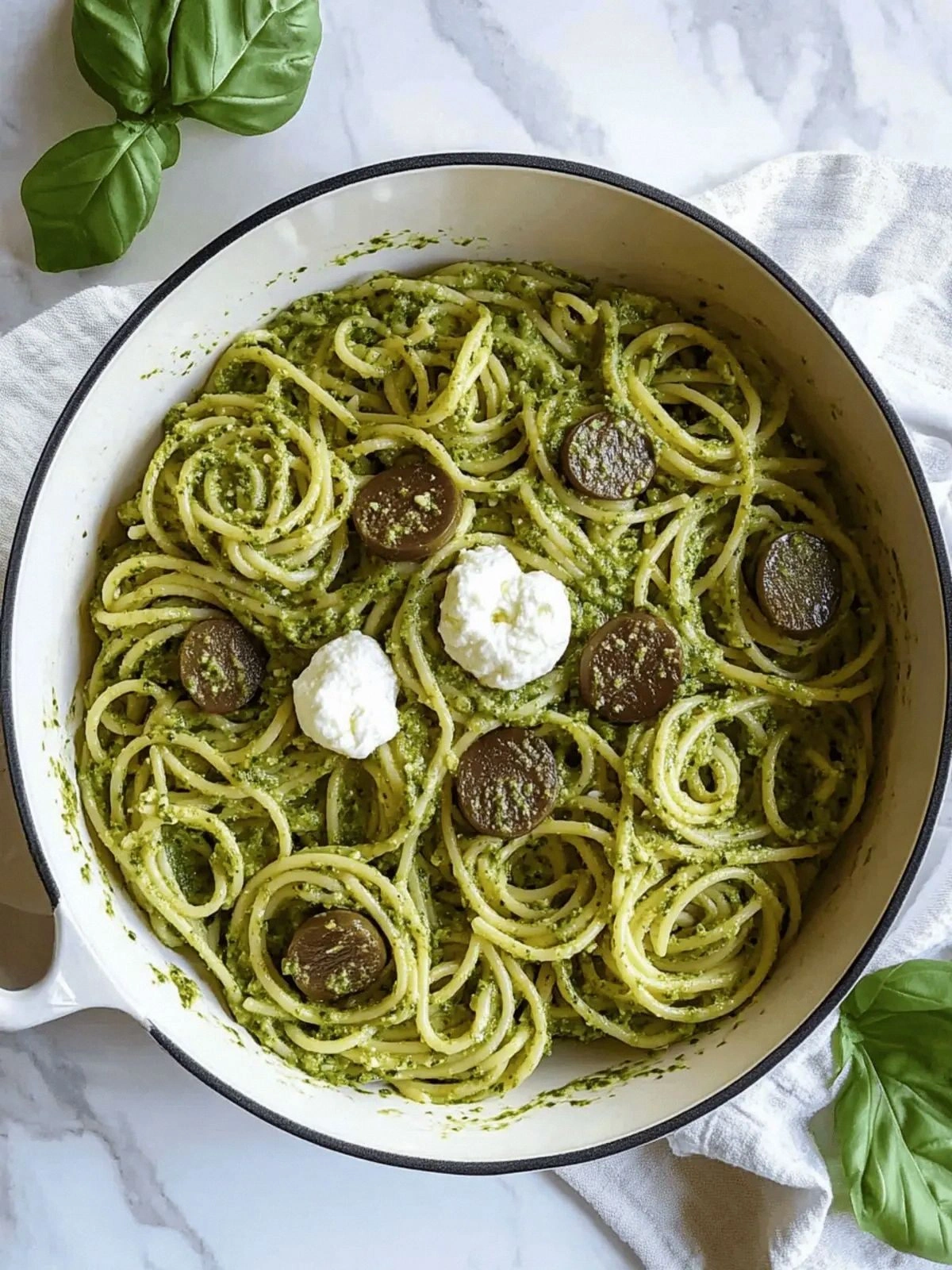
- Return the sausages to the skillet, then pour in the pesto. Stir to combine, letting the pesto coat the sausage evenly. The sauce should coat the pan like velvet, with a bright green sheen that smells like fresh basil and garlic.
- Add the ricotta to the skillet, stirring until the mixture is smooth and creamy. If the sauce looks too thick, add a bit more reserved pasta water until you reach a silky consistency. This step is crucial; the ricotta should mingle with the pesto without separating. Keep the heat low to avoid curdling.
- Toss the drained linguine into the skillet, swirling to coat the pasta evenly. Add a pinch of salt and a handful of fresh basil leaves. The basil should pop with color, adding a bright burst of flavor. The pasta will absorb the sauce, creating a cohesive, flavorful dish.
- Cook for an additional minute, allowing the pasta to absorb the sauce and the flavors to meld. The edges of the linguine will start pulling away, signaling that it’s ready. This is the moment of truth; don't rush it. The aroma should be intoxicating.
- Plate the pasta, arranging the sausage links on top. Drizzle a little extra olive oil and sprinkle extra basil for garnish. The dish should look vibrant, with a glossy sauce coating the noodles. A final squeeze of lemon can add a fresh zing.
- Serve immediately, perhaps with a side of crusty bread to mop up the sauce. The first bite should be a harmonious blend of creamy ricotta, aromatic pesto, and savory sausage, followed by a satisfying bite of al dente pasta. The experience is instant gratification.
That's it — you did it. But hold on, I've got a few more tricks that'll take this to another level…
Insider Tricks for Flawless Results
The Temperature Rule Nobody Follows
Many chefs over‑cook the pasta, making it mushy and losing that perfect bite. The trick is to keep the heat moderate after adding the sauce. Let the skillet simmer gently so the sauce can thicken without scorching. I’ve found that a quick flip of the heat to low after the sauce is added keeps the pasta from sticking.
Why Your Nose Knows Best
The aroma is a reliable indicator of doneness. When the sauce starts to thicken, it will emit a nutty, basil‑rich scent. If you notice a sharp, burnt smell, lower the heat immediately. Your nose is the best judge of how close you are to culinary perfection.
The 5‑Minute Rest That Changes Everything
After you finish cooking, let the pasta sit covered for five minutes. This resting period allows the sauce to settle, resulting in a more cohesive coating. I’ve tried serving it immediately, and it felt like the sauce was still too loose. The rest makes a noticeable difference.
Use a Pasta Scratcher
A simple pasta scraper, or even the back of a spoon, helps distribute the sauce evenly across each strand. This technique prevents clumps of sauce and ensures every bite is flavorful. It’s a small tool that can elevate the dish.
Finish with a Drizzle
Just before serving, drizzle a thin stream of extra‑virgin olive oil. The oil adds a glossy finish and a subtle peppery note that enhances the pesto’s brightness. It also helps the sauce cling to the noodles for a silky mouthfeel.
Creative Twists and Variations
This recipe is a playground. Here are some of my favorite ways to switch things up:
Mediterranean Twist
Add sun‑dried tomatoes, kalamata olives, and a splash of feta cheese. The salty olives and tangy tomatoes create a Mediterranean vibe that pairs beautifully with the creamy sauce.
Protein Power
Swap the vegan sausage for grilled chicken or seared tofu. The protein change shifts the dish’s texture and flavor profile while keeping the creamy, herbaceous base intact.
Vegan Delight
Use dairy‑free ricotta made from cashews or coconut. The creamy texture remains, but the dish stays plant‑based for those who prefer a vegan diet.
Pesto Swap
Try a sun‑dried tomato pesto or a roasted red pepper pesto. These variations add a sweet, smoky undertone that contrasts with the bright basil.
Crunch Factor
Toss in toasted pine nuts or chopped walnuts for a nutty crunch. The nuts add texture and a subtle nutty flavor that complements the basil.
Spice It Up
Add a pinch of red pepper flakes or a dash of hot sauce. The heat balances the richness and adds an exciting kick.
Storing and Bringing It Back to Life
Fridge Storage
Store the sauce and pasta separately in airtight containers for up to 3 days. Keep the sauce in a small bowl with a lid, and the pasta in a separate container. When ready to serve, reheat the sauce gently and toss with the pasta.
Freezer Friendly
Freeze the sauce in an airtight container for up to 2 months. The pasta can be frozen for up to 1 month. When reheating, thaw the sauce in the fridge overnight and warm it on low heat, adding a splash of reserved pasta water if needed.
Best Reheating Method
Reheat the sauce in a saucepan over low heat, stirring frequently. Add a tiny splash of water or milk to restore creaminess. If using the microwave, heat in 30‑second intervals, stirring between bursts to prevent scorching.