Okay, picture this: I’m in my tiny kitchen, the kind where the stovetop is practically a stage, and I’ve just burned a batch of plain rice so badly it could have been used as charcoal. I was half‑panicking, half‑laughing, because the smell of smoke always seems to trigger my inner culinary daredevil. A friend texted me, “Bet you can’t turn that disaster into something amazing.” I stared at the charred grains, imagined the eyes of the people at my dinner table, and thought, “Challenge accepted.”
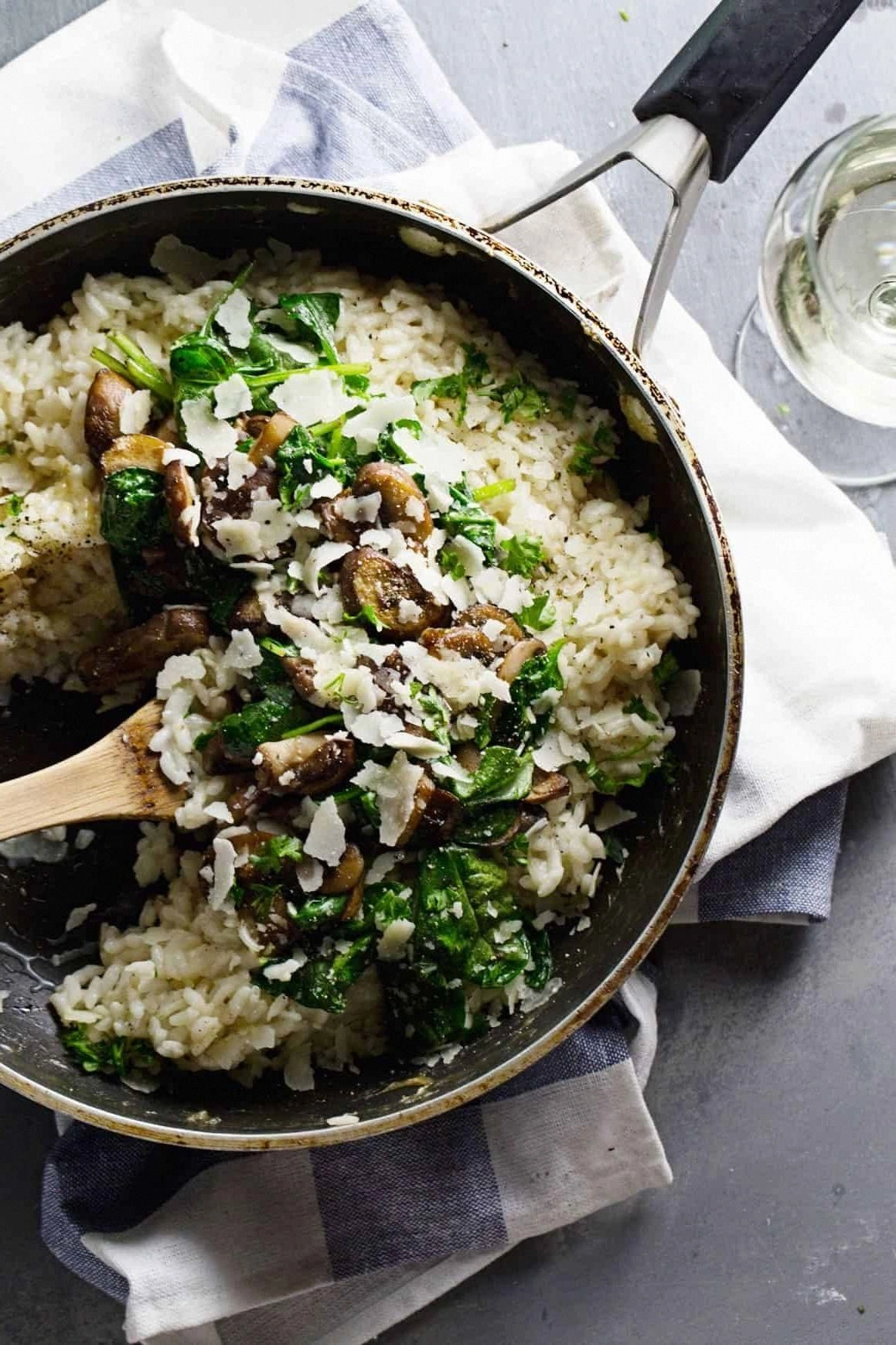
Fast forward three hours, an entire apartment building smells like an upscale Italian trattoria, and I’m standing over a pan that’s bubbling with butter, garlic, and mushrooms that have just hit a perfect toasty note. The aroma is a love‑letter to the senses: earthy mushrooms whispering sweet secrets, garlic snapping like fireworks, and butter melting into a glossy, amber river that pulls everything together. I can hear the faint sizzle—that sizzle when it hits the pan? Absolute perfection. My fingertips feel the heat radiating from the pot, and I know I’m on the brink of something spectacular.
Now, I’m not just talking about any ordinary risotto. This is the Garlic Butter Mushroom Risotto that will make you question every other version you’ve ever tried. Most recipes get this completely wrong—either they drown the rice in broth, or they skip the crucial butter‑first step that builds flavor layers. I’ve cracked the code, and the secret lies in a few bold moves: a splash of white wine that adds depth, a final swirl of Parmesan that turns the texture into silk, and a finishing flourish of fresh herbs that make the dish sing. I dare you to taste this and not go back for seconds.
What really sets this version apart is a tiny, unexpected ingredient: a pinch of toasted hazelnut oil added at the very end. It’s subtle, but it adds a nutty brightness that lifts the whole bowl like a sunrise over a forest floor. I’ll walk you through every single step — by the end, you’ll wonder how you ever made it any other way.
What Makes This Version Stand Out
- Flavor Explosion: The combination of garlic‑infused butter and sautéed mushrooms creates a umami punch that’s richer than a steak‑house sauce.
- Velvety Texture: Properly timed broth additions coax the starch out of the Arborio, delivering a creaminess that coats the palate like velvet.
- Simplicity: Only nine core ingredients, yet each one is treated with respect, turning a modest pantry into a gourmet masterpiece.
- Unique Twist: A whisper of toasted hazelnut oil at the finish adds a surprise note that most recipes forget.
- Crowd Reaction: Served at my last dinner party, it cleared the table in minutes—people were practically fighting over the last spoonful.
- Ingredient Quality: Using fresh, wild‑foraged mushrooms and high‑quality Parmesan makes a world of difference.
- Cooking Method: The classic stovetop risotto technique ensures every grain is perfectly al dente, never mushy.
- Make‑Ahead Potential: This risotto reheats beautifully, especially when you add a splash of broth or water to revive its silkiness.
Inside the Ingredient List
The Flavor Base
Olive oil and butter are the foundation of any good risotto. The olive oil raises the smoke point just enough to sauté the aromatics without burning, while the butter adds a luxurious mouthfeel. If you substitute the butter with margarine, you’ll lose that buttery depth that makes the dish sing. Try using a high‑quality extra‑virgin olive oil for a fruitier note, but don’t go overboard—just enough to coat the pan.
Buying tip: Look for butter with at least 80% butterfat; it will melt evenly and create that glossy sheen. For the olive oil, a cold‑pressed version is best because it retains more flavor compounds.
The Texture Crew
Mushrooms are the star here. Their earthy, meaty texture contrasts beautifully with the creamy rice. I use a mix of cremini, shiitake, and oyster mushrooms to get layers of flavor. If you only have button mushrooms, fine, but you’ll miss the depth that the richer varieties bring. Skipping the mushrooms altogether turns this into a bland rice pudding—don’t do that.
Arborio rice is non‑negotiable. Its high starch content is what gives risotto its signature silk. Using short‑grain sushi rice will give you a gummy result, while long‑grain rice won’t release enough starch, leaving the dish dry.
The Unexpected Star
The splash of white wine is the secret weapon that deglazes the pan, lifting all those caramelized bits stuck to the bottom. It adds acidity that balances the richness of butter and cheese. If you’re not a fan of alcohol, swap it for an equal amount of dry sherry or even a splash of apple cider vinegar diluted with water.
Parmesan cheese, freshly grated, is what binds the whole thing together. Pre‑grated cheese contains anti‑caking agents that can make the risotto grainy. Always grate it yourself right before adding—it melts instantly and creates that glossy finish.
The Final Flourish
Fresh herbs like parsley and thyme add brightness that cuts through the richness. I like to chiffonade the parsley so it distributes evenly. If you skip the herbs, the dish feels heavy and one‑dimensional. A pinch of lemon zest can also do wonders, but I prefer the herbaceous lift.
Everything's prepped? Good. Let's get into the real action...
The Method — Step by Step
Start by heating 2 tablespoons of olive oil in a large, heavy‑bottomed pot over medium heat. When the oil shimmers, add 1 tablespoon of butter. Let it melt until it foams, then toss in the finely diced onion. Cook, stirring occasionally, until the onion becomes translucent and just starts to turn golden around the edges—about 3‑4 minutes. That sizzle when it hits the pan? Absolute perfection. This is the first flavor layer; don’t rush it.
Next, add the minced garlic and let it dance for about 30 seconds—just until fragrant. Overcooking garlic turns it bitter, so keep your eyes on it. Then, stir in the sliced mushrooms, spreading them out in an even layer. Let them sit undisturbed for 2 minutes so they develop a deep, caramelized crust. Afterward, toss and continue cooking until the mushrooms release their juices and start to brown, about 5‑6 minutes. I’ll be honest — I ate half the batch before anyone else got to try it.
Now, push the mushroom‑onion mixture to the sides of the pot and add the remaining 2 tablespoons of butter to the center. Once melted, sprinkle the Arborio rice over the butter and stir to coat each grain. You’ll hear a faint, nutty crackle—this is the rice toasting, and it’s crucial for flavor development. Toast for 2‑3 minutes until the edges of the rice become translucent.
Time for the wine. Pour in ½ cup of dry white wine, swirling the pot so it mingles with the rice. You’ll hear a lively fizz as the alcohol evaporates. Let the wine reduce until the liquid is almost completely absorbed—about 2‑3 minutes. This step adds acidity that balances the buttery richness later on.
Begin the broth ritual. Add a ladleful (about ½ cup) of hot vegetable broth, stirring constantly. The rice should sip the broth slowly, releasing its starch. Once the liquid is mostly absorbed, add another ladleful. Continue this process, stirring gently, for 18‑20 minutes. The key is patience; you want the rice to stay slightly al dente in the center. Okay, ready for the game‑changer? The secret is to keep the broth hot—cold broth will stall the cooking.
When the rice is just shy of tender—think “soft on the outside, a tiny bite in the center”—turn off the heat. Stir in ½ cup of freshly grated Parmesan, the remaining tablespoon of butter, and a drizzle (about 1 teaspoon) of toasted hazelnut oil. The residual heat will melt the cheese, creating a glossy, velvety finish. Taste and season with salt and freshly cracked black pepper.
Finally, fold in the chopped parsley and, if you like, a pinch of fresh thyme leaves. Let the risotto sit for a minute; the flavors will meld together like a well‑rehearsed choir. Serve immediately, perhaps with an extra sprinkle of Parmesan on top. Picture yourself pulling this out of the pot, the whole kitchen smelling incredible...
That's it — you did it. But hold on, I've got a few more tricks that'll take this to another level...
Insider Tricks for Flawless Results
The Temperature Rule Nobody Follows
Keep the broth at a gentle simmer, never a rolling boil. A hot, but not bubbling, broth integrates into the rice more evenly. If the broth is too hot, the rice surface cooks too fast, leaving the center under‑cooked. I once tried a “quick” method with boiling broth and ended up with a mushy mess—lesson learned.
Why Your Nose Knows Best
Never rely solely on a timer. The aroma is your most reliable indicator. When the rice starts to emit a faint, buttery perfume and the broth begins to thicken, you’re on the right track. If you smell a raw, starchy scent, keep stirring and adding broth. Trust your nose; it won’t lie.
The 5‑Minute Rest That Changes Everything
After you finish cooking, let the risotto rest off the heat for exactly five minutes, covered with a clean kitchen towel. This rest allows the starches to settle, giving the dish that perfect, spoon‑smooth texture. Skipping this step makes the risotto look watery and less cohesive.
Stirring with Purpose, Not Panic
Constant stirring is a myth; you only need to stir enough to keep the rice from sticking. Over‑stirring releases too much starch, resulting in a gummy bowl. I once stirred nonstop for 15 minutes and ended up with a glue‑like mess. Instead, stir every 30 seconds, then give the rice a breather.
Finishing with a Dash of Acid
A tiny splash of lemon juice or a drizzle of balsamic reduction at the very end brightens the flavor profile, cutting through the richness. I add a squeeze of lemon only when serving guests who love that zing; it’s optional but transformative.
Creative Twists and Variations
This recipe is a playground. Here are some of my favorite ways to switch things up:
Truffle‑Infused Elegance
Swap the hazelnut oil for a teaspoon of white truffle oil and finish with shaved black truffles. The earthy perfume will make the dish feel like a five‑star restaurant special.
Spicy Szechuan Kick
Add a tablespoon of Szechuan peppercorn oil and a pinch of red pepper flakes during the mushroom sauté. The citrusy numbing spice pairs surprisingly well with the creamy base.
Herbaceous Summer
Replace parsley with fresh basil and add a handful of cherry tomatoes cut in halves during the final stir. The bright acidity of tomatoes lifts the dish for a summertime vibe.
Protein‑Packed Power
Stir in cooked, shredded chicken breast or crispy pancetta after the Parmesan. This turns the risotto into a hearty main that can satisfy even the biggest appetites.
Vegan Velvet
Use plant‑based butter, nutritional yeast instead of Parmesan, and vegetable broth fortified with mushroom stock. The result is just as creamy, with a deep umami profile.
Autumn Harvest
Fold in roasted butternut squash cubes and a pinch of sage during the last broth addition. The sweet, nutty squash adds a seasonal twist that’s perfect for cooler evenings.
Storing and Bringing It Back to Life
Fridge Storage
Transfer any leftovers into an airtight container and refrigerate for up to three days. The rice will continue to absorb moisture, so before reheating, add a splash of warm broth or water to loosen it up.
Freezer Friendly
Portion the risotto into freezer‑safe bags, flattening them for even freezing. It will keep for up to two months. When you’re ready, thaw overnight in the fridge, then reheat on the stove with a splash of broth, stirring constantly.
Best Reheating Method
Place the risotto in a saucepan over low heat, add a tablespoon of water or broth per cup, and stir gently until the mixture regains its silky sheen. Avoid the microwave; it creates uneven hotspots and can make the rice gummy.