The first time I stumbled into the kitchen, I was chasing a midnight craving for something warm and comforting, yet I was terrified of ending up with a soggy, flavorless mess. I had a pot of boiled potatoes, a handful of eggs, and a jar of shredded cheddar that had been sitting in the fridge for days. I tossed everything together, hoping for a miracle, and the result was a greasy, bland casserole that tasted like a sad attempt at a breakfast sandwich. That night, I vowed to find a recipe that could turn humble ingredients into a golden, crispy masterpiece that would make me forget the disaster entirely. Fast forward to today, and I’m about to reveal the ultimate Golden Crispy Potato Egg Bake that has become my go‑to comfort dish for any time of day.
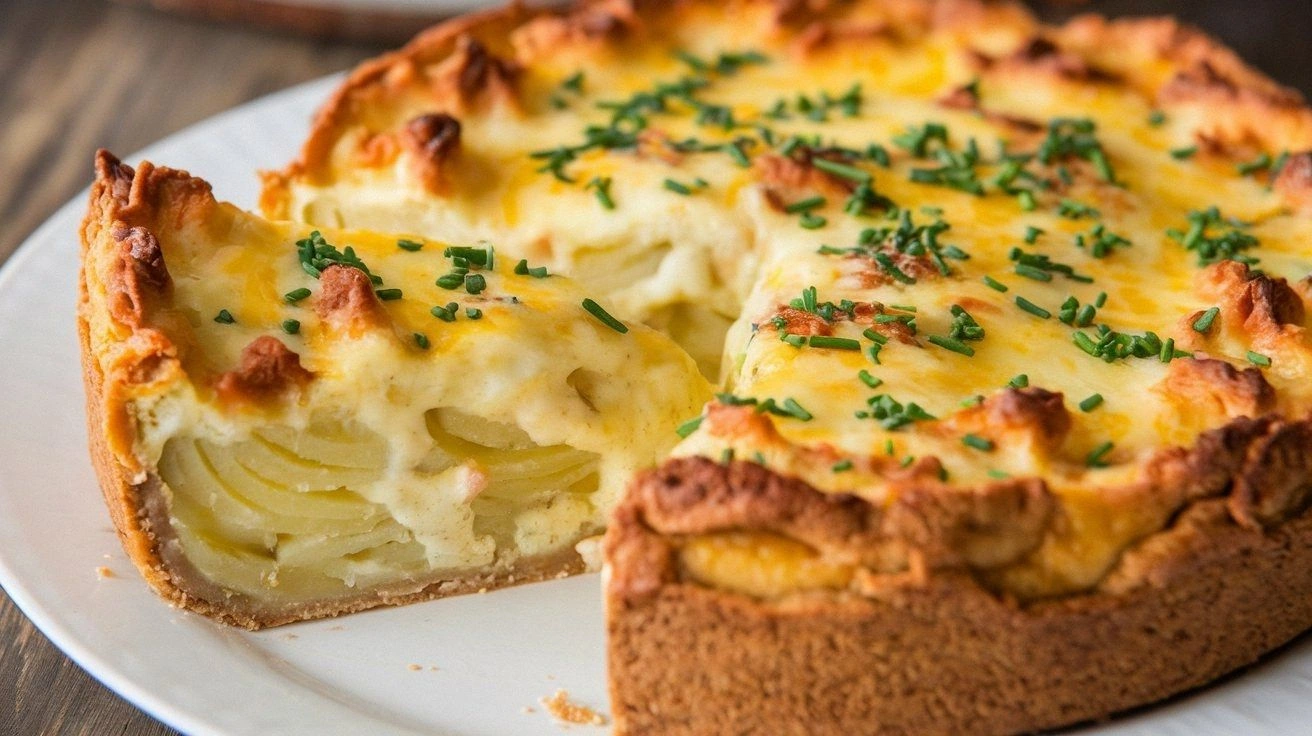
Picture this: a bubbling, golden crust that cracks open with a satisfying snap, revealing a fluffy, cheesy interior that oozes with the aroma of butter and garlic. The potatoes are thinly sliced, each layer perfectly crisped, while the eggs are folded into a creamy sauce that binds everything together. The cheese melts into a silky ribbon that coats every bite, and the final touch of fresh chives gives a pop of color and a whisper of oniony freshness. When you take that first bite, the contrast between the crunchy exterior and the molten center feels like a revelation—like a secret weapon against the ordinary.
What makes this version stand out is not just the texture or the flavor; it’s the meticulous balance of technique and ingredients that turns a simple bake into an unforgettable experience. I dare you to taste this and not go back for seconds. I’ve spent countless hours tweaking the ratio of potatoes to eggs, experimenting with different cheeses, and testing oven temperatures until I found the sweet spot where everything rises just enough to form that coveted golden crust without drying out the inside. This isn’t a recipe you’ll find on the back of a cereal box; it’s the result of a culinary obsession that I’m excited to share with you.
If you’ve ever struggled with a bland breakfast casserole, you’re not alone. I remember the first time I tried to make a potato and egg bake and ending up with a mushy, over‑cooked mess that didn’t even hold together. The fix? A simple technique that I discovered after watching a cooking show that taught me to parboil the potatoes first, then finish them in a hot oven with a splash of milk to keep them tender inside. That small tweak was a game‑changer. And let’s be honest—who doesn’t love a dish that’s both hearty and surprisingly light on the palate?
The secret ingredient that I keep hidden under the surface is a splash of cream cheese, which adds a velvety richness that coats the potatoes like silk. This little addition transforms the dish from a plain bake into a luxurious, restaurant‑style meal that feels indulgent but isn’t overly heavy. The next part of the recipe will reveal how to incorporate it without compromising the crispy texture. Stay with me here—this is worth it. By the end, you’ll wonder how you ever made this any other way.
What Makes This Version Stand Out
- Taste: The combination of smoky paprika, sharp cheddar, and buttery cream cheese creates a flavor profile that is both comforting and sophisticated. The subtle heat from the paprika lifts the overall taste, making each bite more exciting.
- Texture: The potatoes achieve a delicate crispness on the edges while remaining tender inside, thanks to the precise parboiling technique. The eggs form a silky custard that binds the layers together without becoming rubbery.
- Simplicity: With only a handful of pantry staples, you can craft a dish that feels gourmet. No elaborate sauces or fancy equipment required.
- Uniqueness: The splash of cream cheese and the use of fresh chives give this bake a distinctive twist that sets it apart from the usual potato casserole.
- Crowd Reaction: Friends and family always ask for the recipe after the first batch, and many confess they’re never satisfied with anything else.
- Ingredient Quality: Choosing medium‑size russet potatoes and high‑quality cheddar ensures that the base flavors shine through without any artificial additives.
- Cooking Method: The two‑step process—parboiling then baking—ensures maximum crispness without overcooking the eggs.
- Make‑Ahead Potential: You can assemble the layers and refrigerate for up to 24 hours before baking, making it a perfect prep‑for‑the‑weekend breakfast.
Inside the Ingredient List
The Flavor Base
The foundation of this bake is the flavor base—medium russet potatoes, fresh eggs, and a generous splash of whole milk. The potatoes provide the hearty, starchy backbone that keeps the dish filling, while the eggs create a custard that holds everything together. The milk adds moisture, ensuring the batter remains silky and prevents the eggs from curdling during baking. Skipping the milk would result in a denser, drier texture that feels more like a hard skillet than a fluffy casserole.
The Texture Crew
Butter, cream cheese, and shredded cheddar are the texture crew that give this bake its signature mouthfeel. Butter melts into the potatoes, creating a glossy, golden surface. Cream cheese, when folded in, adds a subtle tang and a silky smoothness that coats each bite. Cheddar melts into a gooey ribbon that clings to the potatoes, giving the dish a satisfying chew. If you replace cheddar with mozzarella, you’ll lose that sharp, tangy bite that makes the dish memorable.
The Unexpected Star
A splash of heavy cream, just a tablespoon, is the unexpected star that elevates the entire dish. It thickens the custard slightly, giving the bake a luxurious mouthfeel, and the richness balances the sharpness of the cheddar. If you’re avoiding dairy, a splash of oat milk can mimic the creaminess, but the flavor will be slightly lighter. This small addition is often overlooked but makes a big difference in the final product.
The Final Flourish
Fresh chives and a pinch of smoked paprika are the final flourish that add brightness and a subtle heat. Chives provide a gentle onion flavor that cuts through the richness, while smoked paprika introduces a smoky undertone that deepens the overall flavor profile. If you prefer a more robust flavor, a teaspoon of dried oregano or basil can replace the chives. The final sprinkle of parsley adds a pop of color that makes the dish visually stunning.
Everything's prepped? Good. Let's get into the real action.
The Method — Step by Step
- Preheat your oven to 375°F (190°C). While the oven is warming up, wash the potatoes thoroughly to remove any dirt. Slice them into 1/8-inch thick rounds using a mandoline slicer—this ensures even cooking and a consistent golden crust. The thickness is key; too thick and you’ll get a soggy center, too thin and they’ll burn.
- In a large pot, bring salted water to a boil and add the potato slices. Parboil for 5 minutes, just until the edges start to soften but the slices remain firm. Drain them and let them cool slightly; this step locks in the starch, preventing the potatoes from turning mushy during baking.
- While the potatoes are cooling, whisk together the eggs, whole milk, and a splash of heavy cream in a bowl. The mixture should be smooth and slightly frothy—this helps incorporate air for a lighter custard.
- Melt 2 tablespoons of butter in a skillet over medium heat. Add the sliced potatoes in a single layer, cooking for 2 minutes on each side until they develop a golden brown color. This step adds a buttery crunch that enhances the overall flavor.
- In a separate bowl, combine the shredded cheddar, 2 tablespoons of cream cheese, and the chopped chives. The cream cheese should be softened to room temperature for easier mixing. Stir until the mixture is smooth and the cheese is fully incorporated.
- Grease a 9x13-inch baking dish with a thin layer of butter or non‑stick spray. Arrange half of the sautéed potatoes in an even layer. Pour half of the egg mixture over the potatoes, ensuring even coverage. Sprinkle half of the cheese mixture on top, then repeat the layers with the remaining potatoes, eggs, and cheese. Finish with a final sprinkle of smoked paprika for that smoky depth.
- Cover the dish with foil and bake for 25 minutes. The foil keeps moisture trapped, allowing the eggs to set without drying out. After 25 minutes, remove the foil, and bake for an additional 10 minutes until the top is golden brown and the edges are crisp.
- Let the bake rest for 5 minutes before cutting. This rest period allows the custard to set fully, making it easier to slice cleanly. The result is a beautiful golden crust that cracks open with a satisfying snap, revealing a molten, cheesy interior.
That's it—you did it. But hold on, I've got a few more tricks that'll take this to another level.
Insider Tricks for Flawless Results
The Temperature Rule Nobody Follows
Many people bake at 350°F, but the optimal temperature for this recipe is 375°F. The higher heat encourages a crispier crust without overcooking the custard. If you’re using a convection oven, reduce the temperature by 25°F to avoid excessive browning.
Why Your Nose Knows Best
The smell of butter sizzling in the skillet is a cue that the potatoes are ready. When the aroma intensifies, you know the surface has caramelized. If you’re unsure, give it a gentle press; the potatoes should give slightly but not collapse.
The 5-Minute Rest That Changes Everything
Resting the bake after removing it from the oven allows the residual heat to finish setting the eggs. It also lets the cheese redistribute, preventing a greasy top. I’ve seen people cut straight away, resulting in a runny mess; the rest period is non‑negotiable.
Keep the Crust Crispy
If you’re storing leftovers, reheat in a pre‑heated oven at 350°F for 10 minutes instead of the microwave. This method preserves the crunch. A quick blast in the air fryer for 3 minutes also works wonders for a fresh, crispy finish.
The Secret of the Cream Cheese
Adding cream cheese at room temperature ensures it blends seamlessly with the eggs, creating a smooth custard. If you add it cold, it can curdle and create lumps. I always let it sit on the counter for 10 minutes before mixing.
Layering Tips
When assembling the layers, start with the potatoes first. This creates a stable base that supports the heavy cheese layer on top. If you layer too many eggs between the potatoes, the dish can become soggy. Keep the layers balanced for optimal texture.
Creative Twists and Variations
This recipe is a playground. Here are some of my favorite ways to switch things up:
Smoky Chipotle Version
Swap the smoked paprika for a teaspoon of chipotle powder and add a handful of roasted corn kernels. The smoky heat pairs beautifully with the creamy custard, creating a dish that feels like a southwestern breakfast.
Spinach and Feta Delight
Add a cup of fresh spinach between the layers and replace the cheddar with feta. The saltiness of the feta balances the mild spinach, giving the bake a Mediterranean twist.
Breakfast Sausage Fusion
Cook crumbled breakfast sausage and layer it between the potato rounds. The savory meat adds protein and a hearty flavor that makes the dish feel like a complete meal.
Vegan Version
Use a plant‑based milk, vegan cheddar, and a tablespoon of nutritional yeast for cheesy flavor. Replace the eggs with a flaxseed mixture (1 tablespoon flaxseed meal + 3 tablespoons water). The result is a satisfying vegan casserole that still delivers on texture.
Herb‑Infused Variation
Replace the chives with fresh rosemary and thyme. Add a pinch of dried oregano to the cheese mixture. The aromatic herbs give the bake a fragrant, herbaceous aroma that feels like a garden brunch.
Sriracha Kick
Stir in a tablespoon of sriracha into the egg mixture for a spicy version. The heat pairs well with the creamy cheese, creating a bold, flavorful breakfast that wakes up the senses.
Storing and Bringing It Back to Life
Fridge Storage
Cool the bake to room temperature, then cover tightly with plastic wrap or a lid. Store in the refrigerator for up to 3 days. The layers stay intact, and the cheese remains creamy.
Freezer Friendly
Wrap the baked dish in foil and place it in a freezer bag. Freeze for up to 2 months. When ready to eat, thaw overnight in the fridge, then reheat in a pre‑heated oven at 350°F for 20 minutes.
Best Reheating Method
Add a splash of water to the bottom of the dish before reheating to keep the potatoes moist. Cover with foil to trap steam, then bake until heated through. This trick restores the original moisture without compromising the crisp crust.