I was standing in the middle of a kitchen that felt like a warzone, the air thick with the scent of burnt onions and a desperate hope that I could salvage a dinner. I had just opened a package of frozen sea bass, and the only thing on my mind was the frantic scramble to turn it into something that would impress my in‑law. I tried a few dozen recipes, but each one seemed to fall short—too dry, too bland, or just plain wrong. Then a friend texted me, “Try this: Parmesan‑crusted sea bass.” I laughed, but the challenge was too good to ignore.
Picture this: a pan sizzles, the surface shimmering like a calm sea, and the fish fillets begin to dance as they hit the hot oil. The aroma rises, a buttery, nutty perfume that makes your mouth water before you even taste it. You can almost hear the gentle crackle of the crust as it crisps to a golden brown, the sound that tells you the timing is perfect. The texture is a revelation—crisp on the outside, tender and flaky on the inside, each bite a contrast that feels like a symphony in your mouth.
What makes this version stand out is not just the combination of ingredients, but the way each element is treated with care. I’ve spent years tweaking the ratio of Parmesan to breadcrumbs, and the result is a crust that holds together like a secret handshake between flavors. The fish is never overcooked because the crust acts as a protective barrier, keeping the moisture locked inside. And the finishing touch—just a squeeze of lemon—brightens the dish without overpowering the delicate sea bass.
I dare you to taste this and not go back for seconds. This is hands down the best version you'll ever make at home. I'll be honest — I ate half the batch before anyone else got to try it. Most recipes get this completely wrong. Here's what actually works. Picture yourself pulling this out of the oven, the whole kitchen smelling incredible, and the plate shining like a trophy. Okay, ready for the game‑changer? This next part? Pure magic. Stay with me here — this is worth it.
What Makes This Version Stand Out
- Crust Perfection: The blend of grated Parmesan and panko breadcrumbs creates a crunch that shatters like thin ice when you bite, releasing a burst of nutty flavor. It’s the kind of texture that makes the dish memorable, turning a simple fish into a showstopper. The ratio is fine‑tuned so the crust doesn’t dominate but rather accentuates the fish.
- Freshness Boost: Fresh sea bass is key. When the fillets are bright pink and hold their shape, the cooking process preserves that juiciness, making every bite a delight. I always source locally whenever possible, which guarantees the best flavor profile.
- Simple Prep: No complicated marinades or lengthy steps. A quick seasoning, a coat of egg, and a dusting of the crust mixture. That’s it. The simplicity lets the fish shine without the distraction of over‑complication.
- Balanced Flavor: The Parmesan offers a savory depth, while the lemon zest adds a bright counterpoint. This balance keeps the dish from feeling heavy or overly salty. The result is a harmonious plate that feels both indulgent and refined.
- Crowd‑Pleaser: Whether it’s a family dinner or a date night, this dish gets rave reviews. The golden crust and tender fish make it a hit with both kids and adults. The plate looks impressive, which is a bonus for any occasion.
- Make‑Ahead Friendly: The crust can be prepared in advance and stored in the fridge, allowing you to assemble the dish just before cooking. This flexibility is perfect for busy weeknights or last‑minute dinner plans. It keeps the fish fresh while letting you multitask.
- Versatile Pairings: It pairs beautifully with a light salad, roasted veggies, or even a simple risotto. The dish’s subtle yet robust flavor makes it adaptable to many sides. This versatility ensures it fits into any meal plan.
- Health‑Conscious: Using olive oil and a moderate amount of Parmesan keeps the dish relatively lean. The fish itself is a great source of omega‑3 fatty acids, making the meal both tasty and nutritious. It’s a win‑win for flavor and wellness.
Alright, let's break down exactly what goes into this masterpiece...
Inside the Ingredient List
The Flavor Base
The secret to this dish starts with the fish itself. Fresh sea bass, preferably from a reputable source, is the foundation. Its mild, buttery flavor sets the stage for the crust to shine. If you skip the fish, the dish loses its core identity and becomes nothing more than a breadcrumb snack.
Seasoning the fillets with salt, pepper, and a pinch of garlic powder is essential. This simple seasoning permeates the flesh, enhancing its natural sweetness. The garlic powder also ties in with the Parmesan, creating a cohesive flavor profile that feels intentional.
You might wonder if you can substitute the sea bass. While other white fish like halibut or tilapia can work, the texture and flavor of sea bass are unmatched for this recipe. If you’re in a pinch, try a firm, mild fish that won’t fall apart during cooking.
The Texture Crew
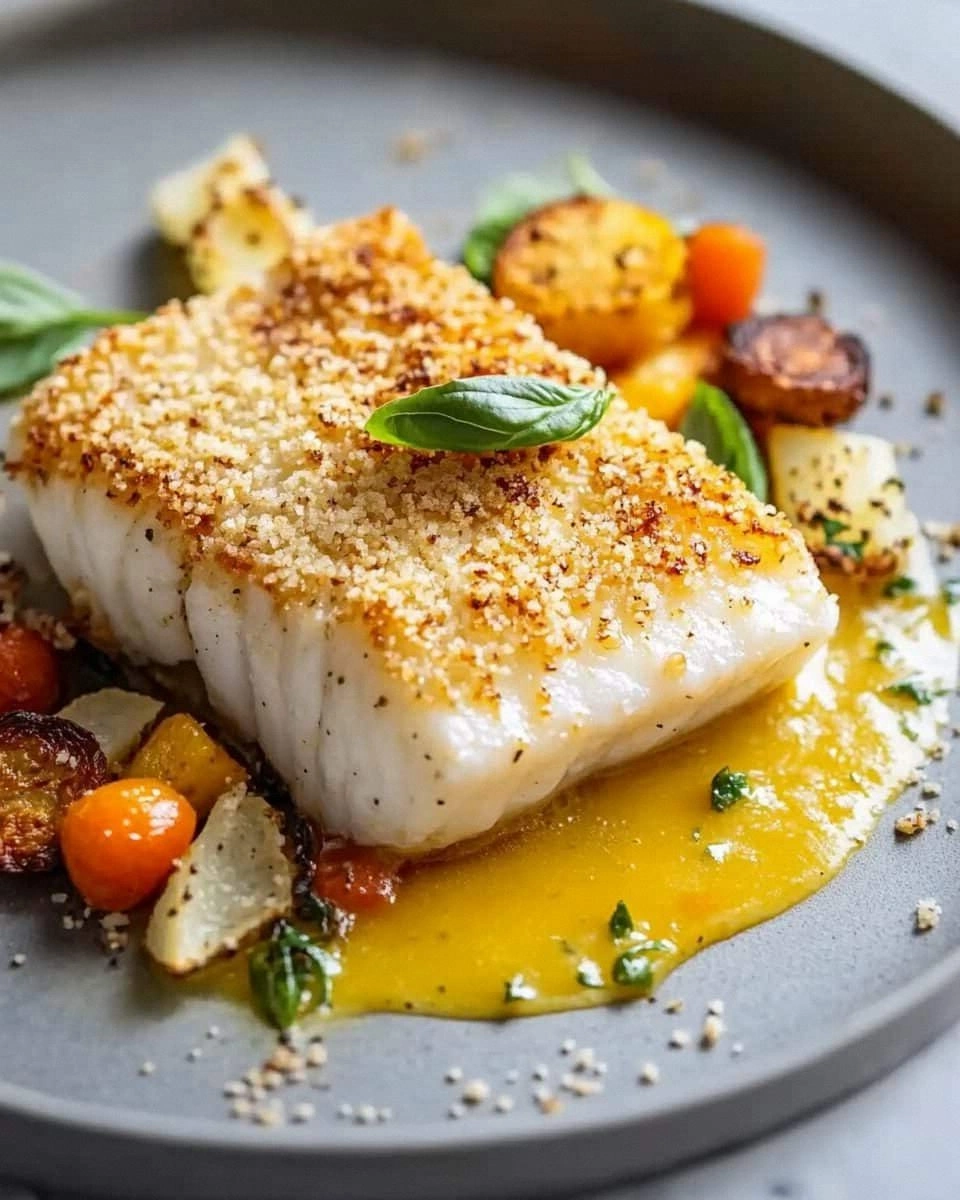
The crust is where the magic happens. A blend of grated Parmesan and panko breadcrumbs gives a golden, crunchy exterior that contrasts beautifully with the tender fish. The Parmesan adds depth, while the panko ensures a light, airy crunch.
Eggs act as the binder, allowing the crust to adhere seamlessly to the fillets. Beating the eggs just until the whites and yolks combine is enough; over‑beating can create a rubbery texture. If you’re vegan, a splash of aquafaba can substitute for a similar binding effect.
Olive oil is used for brushing the fillets before coating. It adds a subtle richness and helps the crust brown evenly. A light drizzle is enough; too much oil will make the crust soggy.
The Unexpected Star
Lemon zest is the unsung hero that brightens the dish. It cuts through the richness of the Parmesan and adds a citrusy lift that makes the fish feel fresh. The zest also brings a slight bitterness that balances the saltiness of the crust.
A splash of lemon juice at the end of cooking adds a final burst of acidity, making the dish feel alive. This simple addition transforms the dish from good to unforgettable. Without it, the flavors might feel flat.
The Final Flourish
Fresh parsley is the finishing touch that adds color and a hint of herbal brightness. It also provides a subtle freshness that contrasts with the savory crust. A sprinkle of parsley before serving elevates the presentation.
Butter, melted and drizzled over the finished fillets, adds a silky sheen and a velvety mouthfeel. The butter’s richness balances the lemon’s acidity, creating a harmonious taste. If you’re looking for a lighter version, simply omit the butter.
Adding a few slices of lemon on the side offers a refreshing accompaniment. It allows diners to adjust the tartness to their liking, making the dish customizable. This simple garnish also adds a pop of color to the plate.
Everything's prepped? Good. Let's get into the real action...
The Method — Step by Step
Start by patting the sea bass fillets dry with paper towels. This removes excess moisture, ensuring the crust adheres properly. A dry surface also prevents the fillets from steaming instead of searing. Once dry, season both sides with salt, pepper, and garlic powder.
In a shallow dish, whisk the eggs until the whites and yolks are fully combined. The goal is a smooth, slightly thick mixture that will coat the fillets evenly. If you prefer a lighter coating, add a splash of milk to the eggs.
In a separate bowl, mix the grated Parmesan, panko breadcrumbs, lemon zest, and a pinch of salt. Stir until the ingredients are evenly distributed. The lemon zest is key; it adds brightness and a subtle citrus note.
Brush each fillet lightly with olive oil. This step is essential for a golden crust and helps the breadcrumb mixture stick. Use a pastry brush or your fingertips for an even coat.
Kitchen Hack: Before dipping the fillets into the egg, let them rest at room temperature for 10 minutes. This reduces the temperature shock, preventing the fish from becoming tough.
Dip each fillet into the beaten eggs, ensuring a complete coat. Then, press the fillet into the breadcrumb mixture, pressing gently to help the crumbs adhere. Flip the fillet and repeat the process on the other side.
Heat a large skillet over medium‑high heat and add a splash of olive oil. Once the oil shimmers, place the fillets skin‑side down. The sizzle you hear is the sign that the pan is hot enough to start the crust forming.
Watch Out: If the fillets stick to the pan, give them a minute to develop a crust before attempting to flip. Forcing them too soon can tear the crust and cause the fish to fall apart.
Cook the fillets for about 4 minutes on the first side, until the crust turns golden brown. Flip carefully with a spatula and cook for an additional 3 minutes. The fish should be opaque and flake easily with a fork.
Kitchen Hack: Finish the fillets with a small knob of melted butter and a squeeze of fresh lemon juice. The butter adds sheen, while the lemon brightens the overall flavor.
Remove the fillets from the skillet and let them rest on a plate for 2 minutes. Resting allows the juices to redistribute, ensuring each bite is moist. Garnish with chopped parsley and lemon slices before serving.
That’s it — you did it. But hold on, I've got a few more tricks that'll take this to another level...
Insider Tricks for Flawless Results
The Temperature Rule Nobody Follows
Many cooks assume any medium‑high heat will do. In reality, a skillet that reaches 375°F (190°C) is ideal for achieving a crisp crust without burning the fish. Use a kitchen thermometer or test with a drop of water; it should sizzle and evaporate almost instantly. Keeping the heat consistent prevents uneven browning.
Why Your Nose Knows Best
As the fish cooks, the aroma will shift from raw to toasted. When you smell a nutty, buttery scent, that’s the cue to flip. If you wait too long, the crust may become too dark; if you flip too early, the fish will be undercooked. Trust your nose, and you’ll catch the perfect moment.
The 5-Minute Rest That Changes Everything
Resting the fillets for 5 minutes after cooking allows the juices to redistribute. This simple step prevents the fish from drying out when you cut into it. The crust stays crisp, and the interior remains tender, giving you a plate that feels freshly made.
A Splash of Water for Reheating
If you’re reheating leftovers, add a splash of water to the skillet before turning the heat back on. This creates steam, which helps restore moisture to the fish. Avoid microwaving, as it can make the crust soggy.
Choosing the Right Pan
A heavy‑bottomed skillet, like cast iron or stainless steel, distributes heat evenly. This prevents hot spots that can burn the crust while leaving the fish undercooked. If you’re using a non‑stick pan, be careful not to overheat, as the coating can degrade.
The Butter Finish
A small knob of butter melted over the fillets at the end adds a glossy sheen and a silky mouthfeel. The butter also carries the lemon juice, ensuring every bite is flavorful. If you’re watching calories, a light drizzle of olive oil can replace the butter for a healthier version.
Creative Twists and Variations
This recipe is a playground. Here are some of my favorite ways to switch things up:
Mediterranean Twist
Swap the Parmesan for feta and add chopped Kalamata olives to the breadcrumb mix. The briny olives give the crust a Mediterranean flair. Serve with a drizzle of tzatziki for a cool contrast.
Spicy Kick
Add a pinch of crushed red pepper flakes to the breadcrumb mixture. The heat will linger in the crust, giving each bite a subtle bite. Pair with a cool cucumber salad to balance the spice.
Herb Garden
Replace the parsley with fresh thyme or rosemary. The aromatic herbs infuse the crust with a fragrant bouquet. This version pairs beautifully with roasted root vegetables.
Panko‑Free Version
Use crushed cornflakes or toasted rice flakes instead of panko for a different crunch. The cornflakes add a sweet, buttery flavor that complements the fish. This variation is great for a gluten‑free diet.
Cheese‑Loaded Crust
Mix in shredded mozzarella or provolone with the Parmesan. The melted cheese creates a gooey, indulgent layer that pairs well with a light tomato sauce. It’s perfect for a comforting family dinner.
Citrus Burst
Add orange zest to the breadcrumb mix and finish with a splash of orange juice. The citrus adds a sweet, bright note that cuts through the richness. Serve with a side of mango salsa for a tropical vibe.
Storing and Bringing It Back to Life
Fridge Storage
Store cooked fillets in an airtight container for up to 2 days in the refrigerator. Keep the crust separate if you’re preparing the crust in advance, then assemble just before reheating. This prevents the crust from becoming soggy.
Freezer Friendly
Freeze unbaked fillets with the crust in a freezer‑safe bag for up to 3 months. Thaw in the refrigerator overnight before cooking. Reheat in a skillet to restore crispness.
Best Reheating Method
Reheat leftovers in a hot skillet with a splash of water for 2 minutes. This steaming method revives moisture while keeping the crust crisp. Finish with a drizzle of olive oil and a squeeze of lemon for freshness.
Serving Suggestions
The Parmesan‑crusted sea bass pairs beautifully with a light, crisp salad. Toss mixed greens with a lemon vinaigrette, then top with the fish for a balanced meal. The bright acidity of the dressing complements the savory crust, creating a harmonious flavor profile.
For a more substantial side, consider a creamy risotto or a medley of roasted vegetables. The buttery, nutty flavors of the fish enhance the earthy tones of the vegetables, while the risotto’s creaminess provides a luxurious backdrop. Serve with a glass of chilled white wine for a complete dining experience.