I was standing in my kitchen, staring at a bag of flour that had been sitting in a cupboard for months, when a friend dared me to create something that would make the gluten‑free crowd swoon. The challenge was simple: take a humble grain that most people think of as a side dish, pair it with mushrooms, and turn it into a dish that feels like a gourmet dinner. The moment the onions hit the hot pan, their scent filled the room like a promise of comfort, while the earthy aroma of sautéed mushrooms made my taste buds do a little dance. The sizzling sound was a cue that this wasn’t just another recipe—this was a culinary experiment about to explode.
I could feel the heat of the skillet, the gentle steam rising, and the anticipation building like a secret. Every ingredient had a role: the buckwheat groats would bring a nutty depth, the fresh thyme a hint of brightness, and the lemon juice a final pop that would tie everything together. The texture of the mushrooms—soft inside, slightly crisp on the edges—was going to contrast beautifully with the chewy buckwheat grains. I could almost taste the dish before it even finished cooking, the savory broth soaking into the grains, the Parmesan coating the top like a golden halo.
What makes this version stand out is that it takes the classic mushroom pilaf and elevates it with a gluten‑free twist that feels both comforting and adventurous. The buckwheat, often overlooked, delivers a subtle nuttiness that pairs perfectly with the umami of mushrooms, while the fresh herbs and lemon juice keep it bright and vibrant. The dish can be served as a hearty main or a side that will have guests asking for seconds. I dare you to taste this and not go back for seconds. I’ve been honest with myself: I ate half the batch before anyone else got a chance to try it.
Most recipes get this completely wrong, treating buckwheat like a bland side or overcooking the mushrooms until they’re mushy. Here, we preserve the integrity of each component, letting the grains absorb the broth and the mushrooms stay firm yet tender. Picture yourself pulling this out of the pot, the whole kitchen smelling incredible, and seeing that glossy sheen of olive oil and lemon zest. The aroma alone will have everyone in the room leaning forward, ready to dig in. Let me walk you through every single step—by the end, you’ll wonder how you ever made it any other way.
What Makes This Version Stand Out
- Flavor: The combination of earthy mushrooms and nutty buckwheat creates a depth that feels both comforting and sophisticated. The bright lemon finish cuts through the richness, leaving a clean, satisfying aftertaste.
- Texture: Each grain of buckwheat is toasted to a gentle crunch before simmering, ensuring they remain distinct and chewy rather than turning mushy. The mushrooms retain a slight bite, offering a pleasant contrast.
- Gluten‑Free Integrity: Using buckwheat as the base guarantees a naturally gluten‑free dish, while the broth and herbs add layers of flavor without compromising the dietary requirement.
- Visual Appeal: The golden Parmesan crust, the specks of fresh parsley, and the glossy sheen of lemon juice create a plate that looks as good as it tastes.
- Make‑Ahead Friendly: This dish can be prepared a day ahead, reheated, and still retain its texture and flavor—ideal for busy weeknights or entertaining guests.
- Ingredient Quality: Each component is chosen for its ability to stand up to the cooking process: fresh mushrooms, high‑quality broth, and a good olive oil.
- Crowd Reaction: Even those who are skeptical about buckwheat will be won over by the savory, comforting profile of this pilaf.
- Versatility: Swap in different herbs or nuts, and you can turn this into a vegan, dairy‑free, or even a spicy version without losing its essence.
Alright, let's break down exactly what goes into this masterpiece…
Inside the Ingredient List
The Flavor Base
The onion and garlic are the backbone of any savory dish. Sautéed until translucent, they release a sweet, aromatic foundation that carries the rest of the flavors. If you skip them, the dish will taste flat, lacking the depth that makes each bite memorable. For a slightly different profile, try adding a pinch of smoked paprika or a splash of tomato paste to the base.
The Texture Crew
Buckwheat groats are the star of the show, providing a chewy, nutty bite that contrasts with the soft mushrooms. Toasting them lightly before cooking adds a subtle crunch and prevents them from becoming mushy. If you prefer a lighter texture, rinse the groats thoroughly to remove any bitterness before toasting.
The Unexpected Star
Fresh thyme or rosemary brings a burst of herbal brightness that cuts through the earthiness of the mushrooms. If you’re not a fan of rosemary’s resinous flavor, fresh thyme is a milder alternative that still offers aromatic depth. A pinch of dried herbs can also work in a pinch, but fresh herbs provide a brighter, more vibrant taste.
The Final Flourish
The lemon juice and parsley add a refreshing finish that lifts the dish. The acidity of the lemon brightens the overall flavor, while the parsley provides a touch of color and freshness. If you’re looking for a vegan version, simply use a dairy‑free Parmesan alternative and a plant‑based butter or olive oil.
Everything's prepped? Good. Let's get into the real action…
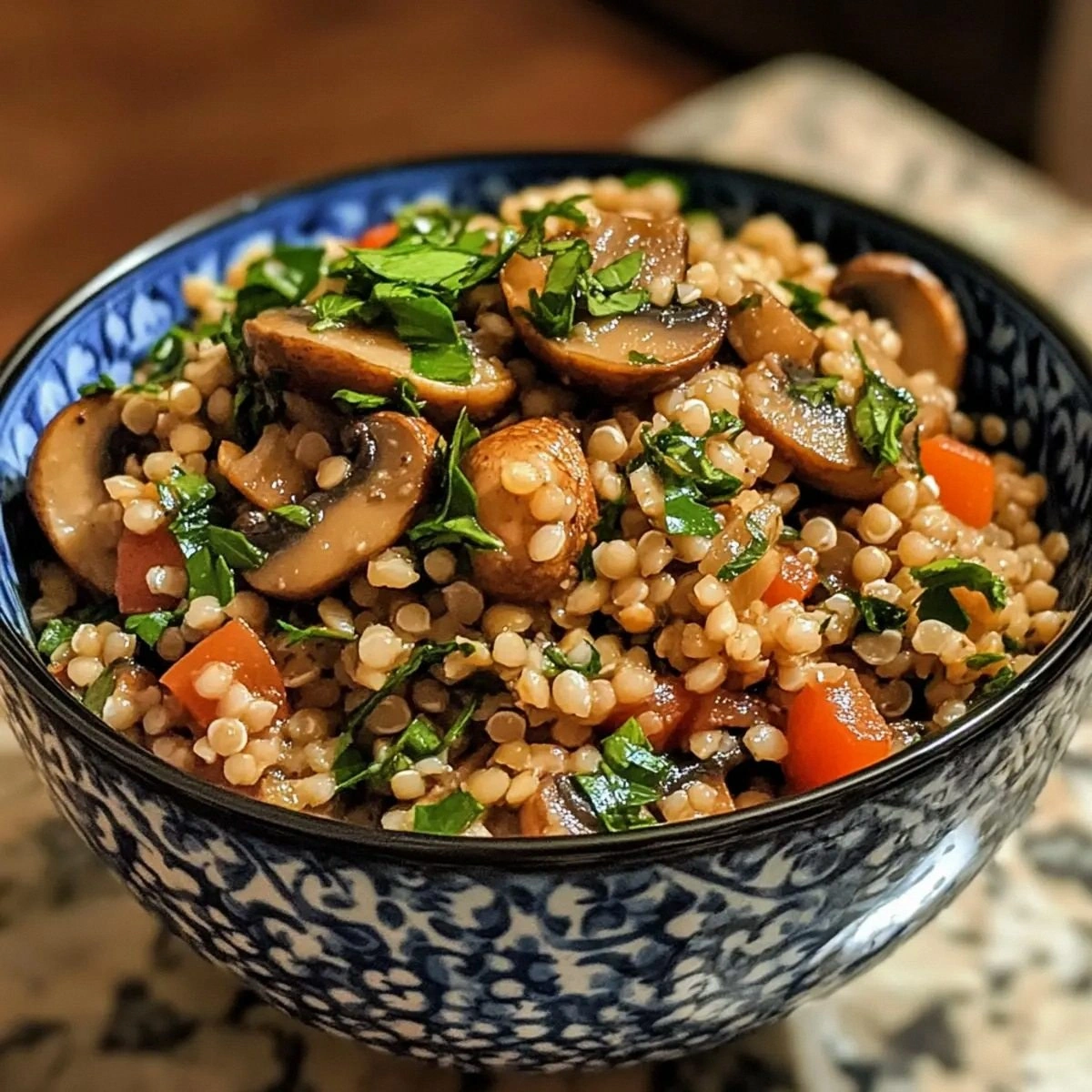
The Method — Step by Step
- Heat the olive oil or butter in a large skillet over medium heat until it shimmers. Add the diced onion and let it cook until it becomes translucent and slightly golden, about 5 minutes. This caramelization will bring a sweet, buttery foundation to the dish. Keep the heat steady so the onion doesn’t brown too quickly. The aroma should feel like a warm hug.
- Add the minced garlic to the skillet, stirring constantly to avoid burning. Cook for 30 seconds until the garlic releases its aroma but before it turns golden. Garlic is delicate; too long and it becomes bitter. This quick burst of scent will layer the base flavor. Feel the steam rise—it's the first hint of the dish’s richness.
- Introduce the sliced mushrooms, spreading them out evenly. Let them sizzle and release their juices, cooking for about 6 to 8 minutes until they start to brown on the edges. The mushrooms should develop a slightly crispy edge that shatters like thin ice when bitten. Stir occasionally to ensure even browning. The sound of the sizzling is the soundtrack of flavor.
- Stir in the fresh thyme or rosemary, letting the herbs infuse the mixture for 1 minute. The aroma will be more pronounced, signaling that the herbs are ready to release their essential oils. This step is crucial for a bright, herbal note. If you’re using dried herbs, reduce the quantity by half to avoid overpowering.
- Pour in the vegetable broth, scraping the bottom of the pan to loosen any browned bits. Bring the mixture to a gentle boil, then reduce the heat to low and add the toasted buckwheat groats. Stir to combine, ensuring the grains are submerged. The liquid should be just enough to cover the grains by about an inch. The bubbling will signal that the broth is ready to absorb.
- Cover the skillet and let the mixture simmer for 15 minutes, checking occasionally. The buckwheat should absorb the liquid, becoming tender yet still slightly chewy. If the liquid evaporates before the grains are cooked, add a splash of water or more broth. The simmering should be gentle; a rolling boil can cause the grains to become mushy.
- Remove the lid, sprinkle the grated Parmesan or dairy‑free alternative over the top, and let it melt into a golden crust. The cheese will create a subtle, savory layer that contrasts with the earthy grains. Stir lightly to distribute the cheese evenly. The melt should be smooth, not clumpy.
- Finish with a generous squeeze of lemon juice, then sprinkle the fresh parsley and toasted nuts. Toss everything together gently, letting the lemon zest lift the flavors. The final dish should have a bright, fresh finish with a satisfying crunch from the nuts. The aroma at this point should be intoxicating, inviting everyone to dig in.
That's it — you did it. But hold on, I've got a few more tricks that'll take this to another level…
Insider Tricks for Flawless Results
The Temperature Rule Nobody Follows
Maintaining a low simmer once the liquid has been added is key. If the heat is too high, the broth will evaporate too quickly, causing the grains to stick to the pan. Keep the lid on, and use a thermometer if you’re a precision cook. A steady 80–85°C (176–185°F) is ideal for a gentle, even cook.
Why Your Nose Knows Best
Smell the dish as it cooks. If you notice a sharp, metallic scent, the oil may be overheating. If the aroma is flat, you’re probably under‑seasoned. Trust your nose as a guide to adjust salt, herbs, or acidity on the fly.
The 5-Minute Rest That Changes Everything
Once you remove the skillet from heat, let the dish sit covered for 5 minutes. This rest period allows the grains to finish absorbing liquid and the flavors to meld. Skipping it can leave the dish feeling under‑cooked and disjointed.
The Nutty Surprise
To add an extra layer of crunch, toast the walnuts or pine nuts in a dry pan before sprinkling them on top. The toasted nuts will pop with flavor, offering a satisfying contrast to the soft grains. Keep an eye on them; nuts burn quickly.
The Lemon Lift
If you’re craving a brighter finish, add a second squeeze of lemon juice right before serving. The acidity will brighten the dish and help balance the richness of the cheese and oil. Use a fresh lemon for the most vibrant flavor.
The Parmesan Glow
Grate the Parmesan finely to ensure it melts evenly across the surface. A coarse grate can create uneven patches of cheese that may burn. If you’re using a dairy‑free alternative, choose one that melts well for a similar effect.
Creative Twists and Variations
This recipe is a playground. Here are some of my favorite ways to switch things up:
Spicy Sriracha Kick
Add a tablespoon of sriracha or a pinch of red pepper flakes during the sauté stage. The heat will complement the earthy mushrooms and add a smoky depth. Perfect for those who love a little burn.
Sun‑Dried Tomato Boost
Stir in chopped sun‑dried tomatoes with the mushrooms. Their sweet, concentrated flavor will add a Mediterranean vibe. The tomatoes will also provide a pop of color.
Creamy Mushroom Swirl
Introduce a splash of coconut milk or a dollop of Greek yogurt after the grains are cooked. This will create a silky, creamy texture that balances the chewiness of the buckwheat. It’s a great way to make the dish more filling.
Herb‑Infused Broth
Replace the plain vegetable broth with one infused with bay leaves, thyme, and a bay leaf. This will deepen the overall flavor profile, giving each bite a more complex aroma. Remove the bay leaf before serving.
Pine Nut Crunch
Swap the walnuts for toasted pine nuts for a subtler, buttery crunch. Pine nuts pair well with the lemon finish, adding a hint of nutty sweetness that complements the dish’s earthy tones.
Vegan Parmesan Alternative
Use a vegan Parmesan made from nutritional yeast, nuts, and a touch of garlic powder. It will melt similarly and provide a savory, cheesy flavor without dairy. This keeps the dish entirely plant‑based.
Storing and Bringing It Back to Life
Fridge Storage
Cool the pilaf completely before transferring it to an airtight container. Store in the refrigerator for up to 3 days. The grains will remain tender, and the flavors will deepen over time. Keep the container flat to avoid excess moisture.
Freezer Friendly
Pack the cooked dish in freezer‑safe containers or zip‑lock bags, leaving a small air pocket. Freeze for up to 2 months. When you’re ready to eat, thaw overnight in the fridge. This method preserves the texture and flavor remarkably well.
Best Reheating Method
Reheat in a saucepan over low heat, adding a splash of water or broth to prevent drying. Stir occasionally until warmed through, about 5–7 minutes. The added liquid will steam the grains back to their original fluffiness, restoring the dish’s comforting quality.