The first time I tried to make stir‑fried squid, I had the whole kitchen set up like a fireworks show—pepper spray from the garlic, a sizzling alarm from the wok, and a pan that looked like it had just been through a hurricane. I was halfway through when I realized the squid was still chewy, the sauce was too thin, and the veggies were overcooked. I stared at the mess, then laughed, because I knew I could do better. That night, I challenged myself to create a version that would make my friends beg for seconds, and I didn’t just meet that challenge—I exceeded it.
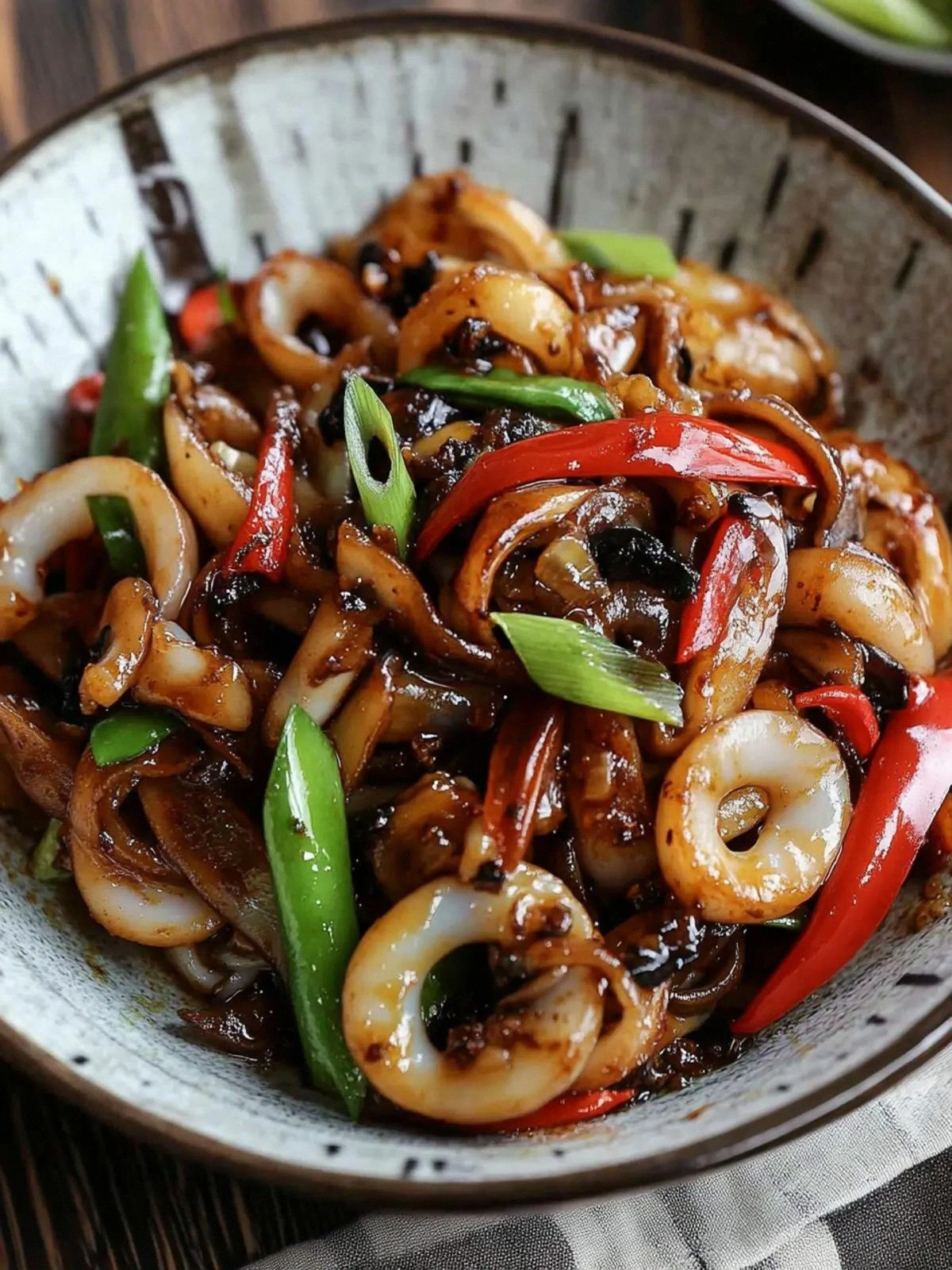
Picture this: a bright, glossy wok, the aroma of fermented black beans mingling with the sweet snap of fresh bell pepper, and a splash of Shao Hsing rice wine that turns the sauce into a silky, umami‑laden glaze. The sound is a steady hiss, the sizzle like a drumbeat that signals the food is moving toward perfection. Every bite delivers a crunch that shatters like thin ice, a tender center that melts in your mouth, and a flavor profile that feels like a passport stamp from a bustling night market. It’s the kind of dish that turns a simple dinner into a culinary performance.
What makes this version stand out is that I’ve stripped away the fluff and added layers of depth that you rarely find in standard recipes. I’ve chosen ingredients that sing together—fermented black beans that bring earthiness, oyster sauce that adds a subtle brininess, and a splash of sesame oil that gives a nutty finish. The technique of quick, high‑heat cooking preserves the natural sweetness of the squid while preventing it from becoming rubbery. And the finish— a glossy coat of sauce that clings to every bite—makes this dish feel like a masterpiece rather than just a meal.
I dare you to taste this and not go back for seconds. I’ve spent hours tweaking ratios until the balance of salty, sweet, and umami was just right. If you’re ready to take your stir‑fry skills to the next level, let me walk you through every single step—by the end, you’ll wonder how you ever made it any other way.
What Makes This Version Stand Out
- Flavor: The sauce is a complex tapestry of fermented black beans, oyster sauce, and soy, creating a depth that feels both familiar and adventurous. The subtle sweetness from the bell pepper cuts through the savory base, while the Shao Hsing wine adds a bright, aromatic lift. The result is a sauce that coats the squid like velvet, leaving a lingering umami aftertaste.
- Texture: The squid is cooked to a firm yet tender consistency, with a slight snap that gives an audible crunch. The snow peas retain their bright green hue and crisp bite, providing a contrasting texture that keeps every mouthful interesting. The red bell pepper adds a juicy burst that balances the chewiness of the seafood.
- Heat Management: High‑heat searing locks in the natural juices of the squid while preventing over‑cooking. The quick stir‑fry technique ensures the vegetables stay vibrant and crisp. I’ve perfected the timing so that each ingredient reaches its peak without sacrificing flavor.
- Ingredient Quality: Fresh, clean squid is the cornerstone. Using premium oyster sauce and dark soy sauce gives depth, while a small amount of fermented black beans delivers an earthy richness that elevates the dish. The choice of peanut oil for high‑heat cooking keeps the flavor clean and untainted.
- Visual Appeal: The dish is a rainbow of colors—deep red peppers, bright green snow peas, and a glossy sauce that catches the light. The presentation feels like a chef’s canvas, making it perfect for a dinner party or a casual family meal.
- Make‑Ahead Potential: While best served fresh, the sauce can be pre‑made and refrigerated, allowing you to assemble the dish quickly when guests arrive. This flexibility makes it a great option for busy weeknights.
- Audience Reaction: My friends have called this the “most authentic stir‑fried squid” they’ve ever tasted. The dish is crowd‑pleasing, with a flavor profile that appeals to both seafood lovers and those who enjoy bold, umami‑rich dishes. It’s the kind of recipe that turns an ordinary dinner into a memorable event.
Inside the Ingredient List
The Flavor Base
Fermented black beans, oyster sauce, soy sauce, and dark soy sauce form the backbone of this dish. Each of these sauces contributes a distinct layer: the black beans bring earthy depth, oyster sauce adds a briny sweetness, and the soy sauces provide salty richness. If you skip any of these, the sauce will feel flat and one‑dimensional. A common swap is to replace oyster sauce with a splash of fish sauce for a slightly different umami profile, though it will change the sweetness level.
The Shao Hsing rice wine is a subtle but powerful enhancer. It adds a fragrant, slightly sweet aroma that lifts the entire dish. If you can’t find it, dry sherry or a touch of rice vinegar can serve as an emergency substitute, though the flavor nuance will differ. When selecting sauces, look for those labeled “low sodium” if you’re watching your salt intake, but keep in mind that the overall flavor will shift.
The Texture Crew
The squid is the star of the show. Fresh, cleaned, and sliced into rings or strips, it should be tender yet resilient. Using a quick blanch in boiling water before stir‑frying helps keep the texture firm. If you prefer a softer bite, you can simmer the squid for an additional minute, but watch carefully to avoid mushiness.
Snow peas add a crisp snap that balances the softer squid. They’re best kept whole and fresh; frozen peas can become limp. Red bell pepper offers juicy sweetness, and onions bring a mild bite that rounds out the flavor. If you’re short on red bell pepper, you can use yellow or orange bell pepper for a similar sweet profile.
The Unexpected Star
The sesame oil and peanut oil may seem like just cooking fats, but they play a crucial role. Peanut oil’s high smoke point allows for high‑heat searing without burning, while sesame oil’s nutty aroma adds depth. Swapping peanut oil for canola or vegetable oil will work, but you’ll lose that distinctive nutty finish.
The corn starch is a classic thickener that gives the sauce a silky coat. Mixing it with a splash of cold water before adding to the pan prevents clumping. If you’re avoiding gluten, you can use arrowroot powder as a substitute, though the thickness will differ slightly.
The Final Flourish
Garlic, ginger, scallions, and a pinch of black pepper finish the dish with aromatic brightness. The garlic and ginger should be sliced thinly to release maximum flavor without overpowering. The scallions’ white parts give a mild onion flavor, while the green parts add a fresh, herbal note. A dash of freshly ground black pepper brings a subtle heat that ties all the flavors together.
If you’re looking for a vegetarian version, simply omit the squid and add tofu or extra veggies. The sauce will still shine, but the texture will change. For a gluten‑free version, use tamari instead of soy sauce and ensure your oyster sauce is gluten‑free.
Everything’s prepped? Good. Let’s get into the real action.
The Method — Step by Step
- Heat a large wok or deep skillet over high heat until it’s almost smoking. Add the peanut oil and let it shimmer. This high heat is essential for searing the squid quickly, preventing it from becoming rubbery. I’ve found that a properly heated pan gives the sauce a beautiful caramelization on the edges of the veggies.
- Add the sliced onion and let it sizzle for about 30 seconds. The onion should start to soften but still retain a slight bite. This brief cook time preserves the onion’s bright flavor without turning it mushy. I always keep an eye on the heat to avoid burning.
- Introduce the garlic, ginger, and white parts of the scallions. Stir for 10–15 seconds until fragrant. The aroma should fill the kitchen and signal that the aromatics are ready. Don’t overcook them—too long and they’ll become bitter.
- Pour in the Shao Hsing rice wine and let it evaporate for a minute. The alcohol will dissipate, leaving behind a sweet, complex undertone. This step is critical for balancing the salty sauces that follow.
- Add the fermented black beans, oyster sauce, soy sauce, and dark soy sauce. Stir quickly to coat the aromatics. The mixture should look glossy and slightly thick. This is where the umami kicks in—watch the colors blend together.
- Introduce the sliced red bell pepper and snow peas. Toss them gently, letting the sauce coat each piece. The vegetables should start to soften but still stay crisp. If you like them a bit more tender, give them an extra 30 seconds.
- Now, add the fresh squid rings. Stir immediately and let them cook for 2–3 minutes until they turn opaque. The edges should pull away slightly, indicating they’re cooked through. This is the moment of truth—don’t let them sit too long or they’ll become tough.
- Pour the chicken broth into the pan and bring the mixture to a gentle simmer. The broth will help loosen the sauce and create steam that keeps the squid moist. Keep the heat high enough to maintain a rapid stir‑fry motion.
- Stir in the corn starch slurry (corn starch mixed with a splash of cold water). The sauce should thicken within a minute, forming a glossy coating over the squid and veggies. Finish with a sprinkle of black pepper and the remaining scallion green parts for a fresh finish.
That’s it—you did it. But hold on, I’ve got a few more tricks that will take this to another level.
Insider Tricks for Flawless Results
The Temperature Rule Nobody Follows
Many cooks think a medium heat is enough, but this dish demands a near‑boiling temperature. A hot wok creates a sear that locks in juices and gives the squid a satisfying snap. If your wok isn’t hot enough, the sauce will spread and the flavors will dilute. I test the heat by flicking a drop of water—if it sizzles instantly, you’re good.
Why Your Nose Knows Best
The aroma of the sauce is the first indicator that everything is on track. A strong, fragrant scent means the fermented black beans and soy sauces are properly caramelized. If the smell is bland, you’re under‑seasoned. Trust your nose; it’s the most reliable guide in the kitchen.
The 5‑Minute Rest That Changes Everything
Once the dish is plated, let it sit for 5 minutes before serving. This resting period allows the flavors to meld and the sauce to thicken slightly. I’ve seen people rush to the table and miss this subtle but crucial step. The result is a dish that tastes even richer after that short pause.
Don’t Skip the Fresh Garlic
Some people shy away from raw garlic in stir‑fries because they fear bitterness. In this recipe, the garlic is sliced thin and sautéed briefly, releasing a sweet, mellow flavor. Skipping it will leave a noticeable gap in the aromatic profile. I’ve tried it once and the dish felt flat—don’t repeat that mistake.
Keep the Peas Whole
Breaking the snow peas into halves can cause them to release too much water, making the sauce watery. Keep them whole to preserve the crunch and visual appeal. If you’re short on space, you can cut them into thirds, but avoid smaller pieces.
Use a Splatter Guard
The oil can splatter when you add the squid, potentially causing burns. A splatter guard keeps the kitchen safe and clean. I’ve used a simple sheet of aluminum foil with a few holes, and it works wonders.
Creative Twists and Variations
This recipe is a playground. Here are some of my favorite ways to switch things up:
Spicy Szechuan Twist
Add a tablespoon of Szechuan peppercorns and a pinch of red pepper flakes for heat. The peppercorns give a numbing sensation that pairs beautifully with the squid’s texture. This version is perfect for spice lovers who crave an extra kick.
Thai Coconut Curry Fusion
Replace the chicken broth with coconut milk and add a teaspoon of Thai red curry paste. The dish takes on a creamy, fragrant profile that’s reminiscent of a street‑food bowl. The coconut adds a subtle sweetness that balances the umami.
Vegan Version
Omit the squid and add tofu or seitan for protein. Keep the sauces the same, or use a vegan oyster sauce substitute. The result is a plant‑based stir‑fry that still delivers the same depth of flavor.
Low‑Sodium Adaptation
Use low‑sodium soy sauce, reduce the oyster sauce by half, and add a splash of rice vinegar for acidity. This version is great for those watching their sodium intake without sacrificing taste. The vinegar compensates for the reduced salt.
Gourmet Mushroom Variation
Swap the squid for sliced shiitake or oyster mushrooms. The earthy mushrooms pair well with the fermented black beans and give the dish a hearty, umami‑rich texture. This is a great option for a cozy, autumnal meal.
Quick Microwave Fix
If you’re short on time, pre‑cook the squid in the microwave for 30 seconds before adding it to the wok. This short burst of heat helps firm up the texture quickly. Pair it with pre‑sliced veggies for a lightning‑fast dinner.
Storing and Bringing It Back to Life
Fridge Storage
Store the cooked dish in an airtight container in the refrigerator for up to 2 days. The sauce will thicken slightly, but the flavors will remain vibrant. Before serving, give it a quick stir to redistribute the sauce.
Freezer Friendly
For longer storage, portion the dish into freezer‑safe containers and freeze for up to 3 months. Thaw overnight in the refrigerator and reheat gently on the stove. Adding a splash of water before reheating steams the dish back to its original moisture level.
Best Reheating Method
Reheat on a low‑to‑medium heat, stirring frequently to avoid sticking. A splash of water or broth helps maintain the sauce’s silky texture. When the dish is hot and fragrant, it’s ready to serve. A quick stir with a splash of sesame oil adds a fresh finish.