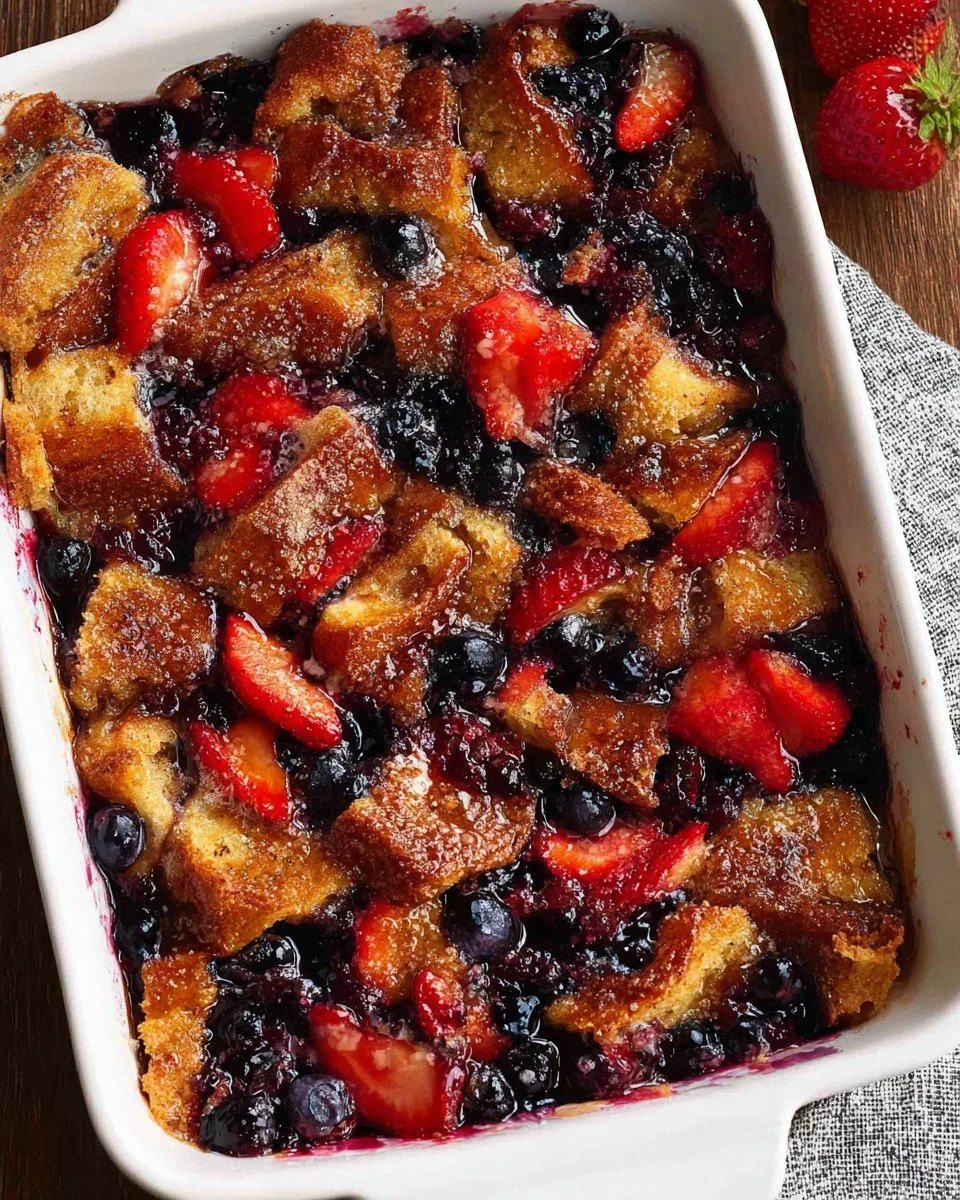
I’ve been chasing the perfect comfort dish for years, and the moment I discovered this Bread Pudding with Raisins was like finding a secret passage in a familiar house. Picture this: a stormy afternoon, my kitchen lights flickering, and a stack of stale bread begging for a second life. I grabbed a handful of raisins, a splash of vanilla, and an unexpected twist that made the pudding sing. The aroma that followed was a warm hug, the kind that lingers in the air long after the oven door opens.
If you’ve ever stared at a loaf that’s turned a bit brown, you’ll know the disappointment. But when that loaf meets milk, eggs, and a handful of raisins, the transformation is dramatic. The bread soaks into a custard that feels like a cloud, the raisins pop with sweet bursts, and the cinnamon adds a whisper of spice that ties everything together. The texture is a perfect balance—soft, slightly chewy, with a hint of crunch from the raisins, and the finish is silky smooth.
What sets this version apart is the blend of classic techniques with a few bold choices that elevate the dish. I dared to add a splash of lemon zest to brighten the flavor profile, and I used whole milk and heavy cream for a richer mouthfeel. The result? A pudding that feels both nostalgic and indulgent, with layers of flavor that keep you reaching for more. I’m talking about a dish that will have your friends saying, “I dare you to taste this and not go back for seconds.”
Let me walk you through every single step—by the end, you’ll wonder how you ever made it any other way. From the moment you break the bread to the final golden crust, each action is designed to bring out the best in the ingredients. And trust me, the payoff is worth every minute you invest in this recipe. Ready? Let’s dive in.
What Makes This Version Stand Out
- Flavor Depth: The combination of vanilla, cinnamon, and lemon zest creates a complex, layered taste that feels both comforting and fresh.
- Texture Contrast: Chewy raisins punctuate a silky custard, while a crisp top adds a satisfying crunch.
- Ingredient Quality: Using whole milk and heavy cream elevates the pudding to a luxurious dessert.
- Time Efficiency: A simple prep of 15 minutes and a 30‑minute bake makes it a quick yet impressive treat.
- Make‑Ahead Friendly: Assemble the pudding a day ahead, refrigerate, and bake when ready—perfect for busy schedules.
- Versatility: Works as a breakfast, dessert, or brunch staple with minimal adjustments.
- Crowd‑Pleaser: Its familiar flavors and comforting texture make it a hit at family gatherings.
- Cost‑Effective: Uses pantry staples and stale bread, turning leftovers into gold.
Alright, let’s break down exactly what goes into this masterpiece…
Inside the Ingredient List
The Flavor Base
At the heart of this pudding lies the custard: a blend of whole milk, heavy cream, eggs, and sugar. The dairy provides richness, while the eggs bind everything together, giving the pudding structure and a tender crumb. Sugar sweetens the mixture, but be careful not to over-sugar, or the pudding will lose its subtle balance. If you prefer a dairy-free version, coconut milk and a plant‑based custard can work, but the texture will shift slightly.
The Texture Crew
Stale bread is the star of the show, turning into a sponge that holds the custard. Cutting the bread into cubes ensures even absorption and a uniform bite. Raisins add a chewy surprise that contrasts with the smooth custard. They also bring natural sweetness and a hint of tartness that brightens the overall flavor. If you’re using fresh bread, let it dry for a few hours before cubing to achieve the same sponge-like texture.
The Unexpected Star
Lemon zest is the secret weapon that lifts the pudding. It adds a bright, citrusy note that counters the sweetness of the raisins and the richness of the custard. The zest also contributes a subtle aroma that makes the dish feel fresh. If you’re not a fan of citrus, a pinch of orange zest can serve as a suitable substitute. Just remember to use only the colored part of the peel to avoid bitterness.
The Final Flourish
Spices such as cinnamon and nutmeg bring warmth and depth to the pudding. Cinnamon is essential for its sweet, woody flavor, while nutmeg adds a nutty undertone that complements the raisins. A pinch of salt balances the sweetness, ensuring each bite is flavorful. Butter, melted and folded in, creates a glossy surface and a subtle buttery taste that rounds out the pudding’s profile.
Everything's prepped? Good. Let's get into the real action…
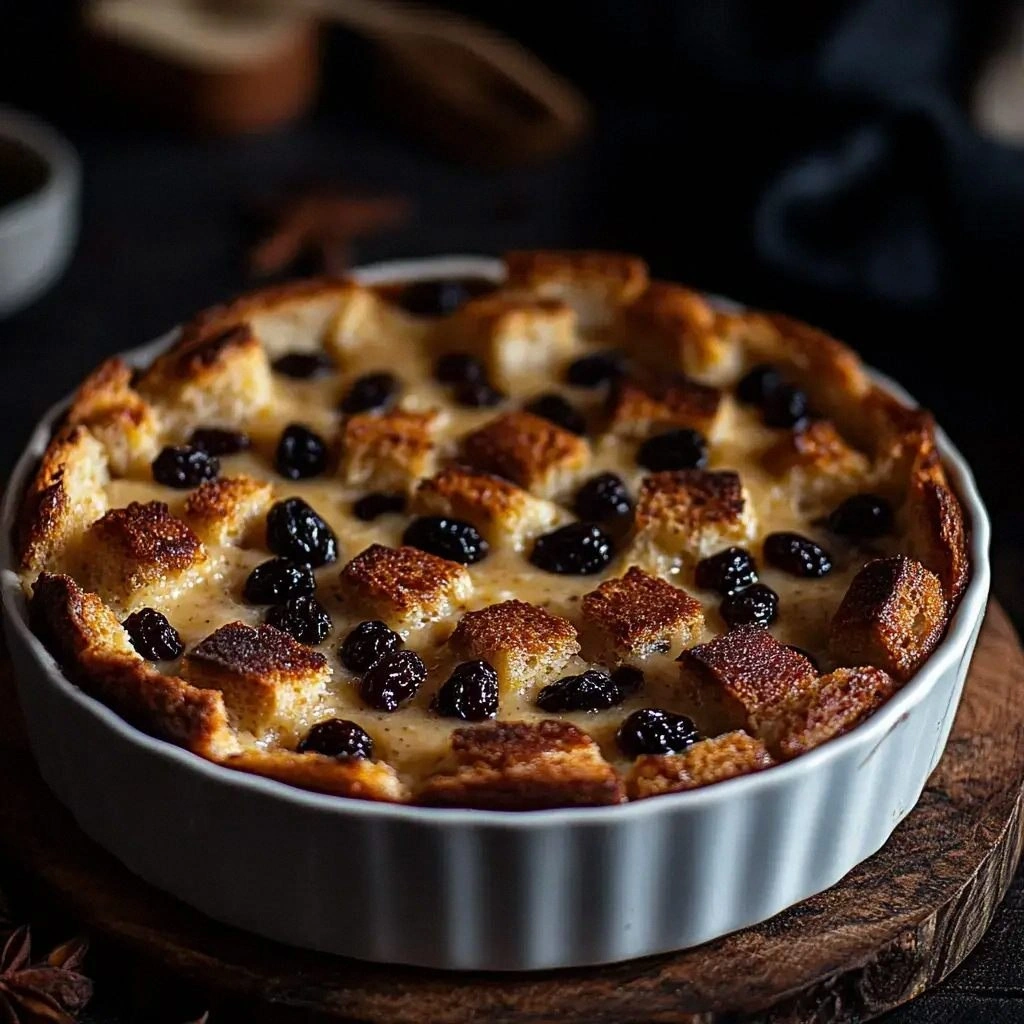
The Method — Step by Step
- Preheat your oven to 350°F (175°C). Grease a 9‑inch square baking dish with butter, then set it aside. This step ensures a non‑stick surface and a golden crust. While the dish warms, gather your ingredients so the process flows smoothly.
- In a large mixing bowl, whisk together the whole milk, heavy cream, eggs, and sugar until the mixture is smooth and the sugar has dissolved. The custard should feel silky, not lumpy. This is the foundation that will carry the bread and raisins.
- Add the vanilla extract, ground cinnamon, nutmeg, and a pinch of salt to the custard. Stir until the spices are evenly distributed. The aroma that begins to develop is a sign that the flavors are harmonizing.
- Fold in the cubed stale bread and raisins, making sure each piece is soaked in the custard. The bread should look saturated but not mushy. This is the moment the pudding starts to take shape.
- Spoon the mixture into the prepared baking dish, spreading it evenly. If you like a slightly crisp top, sprinkle an additional teaspoon of cinnamon over the surface.
- Dot the top with melted butter, allowing it to pool slightly. This butter will melt into the custard, creating a glossy finish and a buttery aroma. It also helps the top brown beautifully.
- Bake for 30 minutes, or until the pudding is set in the center and the edges have pulled away from the sides of the dish. The top should be golden brown and slightly crisp.
- Remove from the oven and let it cool for 10 minutes. This resting period allows the custard to firm up, making it easier to slice. It also lets the flavors meld together.
- Serve warm, optionally dusted with powdered sugar or drizzled with caramel sauce. A dollop of whipped cream or a scoop of vanilla ice cream can elevate it to dessert‑level indulgence. Enjoy the comforting warmth and the burst of raisins in every bite.
That's it — you did it. But hold on, I've got a few more tricks that'll take this to another level…
Insider Tricks for Flawless Results
The Temperature Rule Nobody Follows
Many people bake at 375°F, but 350°F gives a gentler rise, preventing the pudding from cracking. The lower temperature ensures the custard sets evenly, creating that silky center. If you’re using a convection oven, reduce the temperature by 25°F for optimal results.
Why Your Nose Knows Best
Smell the custard as it warms; it should emit a sweet, buttery aroma. If you notice a sour scent, the eggs may have started to curdle, and you should start over. Trust your nose—it's your best quality control tool.
The 5‑Minute Rest That Changes Everything
Letting the pudding sit for 5 minutes after baking allows the heat to distribute evenly. This step reduces the risk of the top pulling away when you cut it. It also gives the raisins a moment to rehydrate slightly, enhancing their flavor.
The Butter Trick for a Glossy Finish
Melt the butter separately before dotting it on top. This ensures it pools evenly and creates a glossy sheen. A glossy finish not only looks appealing but also signals that the pudding is perfectly cooked.
The Spice Ratio That Wins Hearts
Use 1 tsp of cinnamon for every 4 cups of bread. A slight overuse of nutmeg can overpower the raisins, so keep it to 1/2 tsp. This balanced spice profile is what makes the pudding feel like a warm hug.
The Final Touch: A Dusting of Powdered Sugar
A light dusting of powdered sugar adds a touch of sweetness and an elegant presentation. It also creates a subtle contrast between the sweet custard and the slightly salty raisins. Sprinkle just before serving to keep the sugar from soaking into the pudding.
Creative Twists and Variations
This recipe is a playground. Here are some of my favorite ways to switch things up:
Nutty Delight
Swap raisins for chopped walnuts or pecans. The nuts add a crunchy texture and a buttery flavor that complements the custard. A splash of almond extract enhances the nutty aroma.
Caramel Crunch
Replace raisins with caramel bits or drizzle caramel sauce over the top after baking. The caramel adds a sweet, buttery depth that pairs wonderfully with the cinnamon. It also creates a glossy, decadent finish.
Citrus Burst
Add orange zest instead of lemon zest for a sweeter citrus note. Pair it with a splash of orange liqueur for an adult version. The bright citrus cuts through the richness, making it lighter.
Spiced Chai
Infuse the custard with chai spices—cardamom, ginger, and cloves. The warm, aromatic profile transforms the pudding into a cozy, tea‑time treat. Serve with a dollop of clotted cream for a luxurious touch.
Chocolate Mocha
Stir in a tablespoon of cocoa powder and a pinch of espresso powder. This gives the pudding a deep chocolate flavor with a subtle coffee kick. Finish with chocolate shavings on top for an elegant look.
Berry Bliss
Replace raisins with dried cranberries or mixed dried berries. The tartness balances the sweetness, and the color adds visual appeal. A splash of berry liqueur can elevate the flavor profile.
Storing and Bringing It Back to Life
Fridge Storage
Cool the pudding completely before covering it tightly with plastic wrap. Store in the refrigerator for up to 3 days. When ready to serve, reheat gently in a 300°F oven for 10 minutes or microwave on medium for 30‑45 seconds.
Freezer Friendly
Divide the pudding into individual portions and wrap each tightly in foil, then place in a freezer bag. Freeze for up to 2 months. Thaw overnight in the refrigerator before reheating as described above.
Best Reheating Method
Add a splash of milk or cream before reheating; this prevents the pudding from drying out. Reheat in a low‑heat oven or microwave until warm. The added liquid creates steam that restores the custard’s silky texture.