Picture this: you’re standing in a kitchen that smells like burnt toast and over‑cooked eggs, and you’re begging for a culinary miracle. The previous night’s attempt at “egg in a hole” turned into a sad, soggy mess, and the only thing left to salvage was a half‑sliced avocado that looked more like a green grenade than a garnish. I laughed, because I knew exactly how to turn that disaster into a triumphant breakfast that will make you swear you’ve never tasted anything better.
Let’s talk senses. The bread is toasted to a golden crunch that crackles under the knife. The avocado, when sliced, releases a buttery perfume that mingles with the sharp citrus of lemon. As the egg sizzles, the aroma of fresh yolk and pepper fills the air, and the first bite delivers a creamy, silky texture that melts against a crisp, toasted edge—like velvet against a stone. The finish is a bright, zesty kick that wakes up the palate, and the subtle heat from crushed red pepper lingers like a whisper. Every element is a dialogue of flavor, texture, and aroma that pulls you back for more.
Why this version is a game‑changer. It’s not just a recipe; it’s a carefully orchestrated symphony where each instrument plays in perfect harmony. I’ve tweaked the classic “egg in a hole” by adding a splash of lemon, a touch of smoked paprika, and a sprinkle of feta that turns the dish into a layered masterpiece. Most recipes get this wrong by either over‑cooking the egg or under‑toasting the bread, resulting in a mushy mess or a dry shell. I’ve found the sweet spot where the egg is perfectly runny, the bread is crisp yet chewy, and the avocado coats everything like a silky dressing. The result? A dish that is hands down the best version you’ll ever make at home.
And here’s a micro‑challenge: I dare you to taste this and not go back for seconds. The combination of creamy avocado, salty feta, and the subtle heat from paprika will have you reaching for a second plate before you even realize it. I’ve been honest— I ate half the batch before anyone else got to try it. The rest of the story is in the steps that follow. Let me walk you through every single step—by the end, you’ll wonder how you ever made it any other way.
What Makes This Version Stand Out
- Flavor Depth: The addition of smoked paprika and a splash of lemon juice creates a layered taste profile that goes beyond simple avocado and egg.
- Texture Contrast: The crusty, toasted bread provides a satisfying crunch that contrasts with the silky avocado and runny yolk.
- Simplicity: Only a handful of ingredients are required, yet the dish feels luxurious and complete.
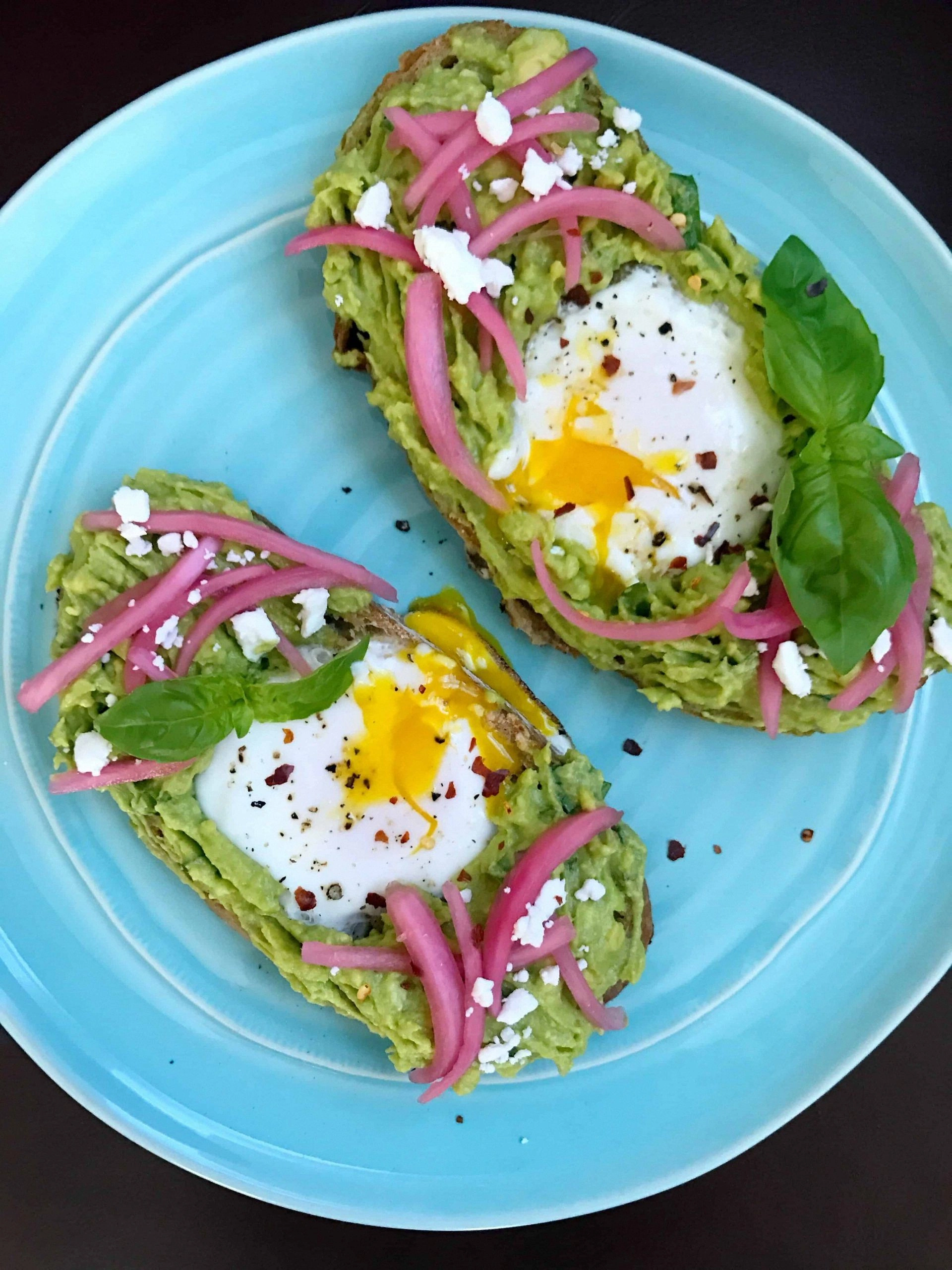
- Visual Appeal: The bright green avocado against the golden bread, topped with feta crumbles, makes for Instagram‑ready plating.
- Crowd‑Pleaser: This version is guaranteed to wow brunch guests and get them asking for the recipe.
- Ingredient Quality: Using ripe, buttery avocados and fresh, high‑quality eggs elevates the dish beyond a basic breakfast.
- Cooking Method: The “hole” technique ensures even cooking and a beautiful presentation.
- Make‑Ahead Potential: The avocado can be pre‑mashed, and the bread can be toasted in advance, making this a perfect quick‑prep option.
Inside the Ingredient List
The Flavor Base
Whole grain bread: The foundation of this dish is a sturdy, slightly chewy slice that holds the egg without becoming soggy. A denser loaf like sourdough or rye provides a nutty undertone that complements the avocado. If you’re on a gluten‑free diet, a high‑protein gluten‑free loaf works well, though the texture will differ slightly. The key is to toast the bread until it’s golden and crisp on the outside.
The Texture Crew
Eggs: The star of the show, the egg must be fresh for that perfect runny yolk. Crack the egg into a small bowl first; this allows you to check for any off smells or discoloration. A slightly lower cooking temperature keeps the whites tender and the yolk silky. If you prefer a firmer yolk, reduce the cooking time by a minute or two.
The Unexpected Star
Avocado: A ripe avocado brings buttery richness that coats the toast like velvet. Look for avocados that yield to gentle pressure but aren’t mushy. The flesh should be a deep green with a faint floral aroma. If you’re short on time, a pre‑mashed avocado from the grocery store is fine—just season it with lemon and a pinch of salt to bring it to life.
The Final Flourish
Feta cheese: Crumbled feta adds a salty, tangy crunch that cuts through the creaminess of the avocado. It also introduces a subtle Mediterranean vibe that elevates the dish. If feta isn’t your thing, try goat cheese or a sprinkle of nutritional yeast for a nutty flavor. A small amount of microgreens or sliced radishes can add a peppery bite and a pop of color.
Everything’s prepped? Good. Let’s get into the real action.
The Method — Step by Step
- Prep the bread: Slice your whole grain loaf into 1‑inch thick slices. Use a serrated knife to create a clean, even hole in the center of each slice—about 1.5 inches wide. This hole will cradle the egg, ensuring it stays centered and doesn’t spill over. While you’re at it, lightly brush the bread with olive oil; this will help it toast to a deep, golden‑brown color.
- Toast the bread: Place the bread slices on a pre‑heated skillet over medium heat. Let them toast for 2‑3 minutes on each side, or until the edges are crisp and the surface has a light golden hue. The key is to keep the heat steady—too high and the bread burns, too low and it stays soggy. A quick flip at the right moment ensures even browning.
- Prepare the avocado: While the bread is toasting, cut the avocados in half, remove the pits, and scoop the flesh into a bowl. Mash with a fork until it’s creamy but still has small chunks—this texture prevents the avocado from sliding off the toast. Add a splash of fresh lemon juice, a pinch of sea salt, and a dash of black pepper. Mix well; the citrus brightens the flavor and helps keep the avocado from oxidizing.
- Crack the egg: In a small bowl, gently crack the egg and whisk lightly to combine the yolk and whites. This step ensures a uniform consistency and reduces the risk of shell fragments. If you prefer a runny yolk, keep the whisking minimal; for a firmer yolk, whisk a bit more.
- Cook the egg: Reduce the skillet heat to medium‑low. Add a teaspoon of olive oil, swirl to coat the surface, and pour the egg into the center of the toasted bread’s hole. The oil prevents sticking and creates a subtle, savory base. Cover the skillet with a lid for the first minute; this traps steam and helps the egg cook evenly. The trickiest part? Watching the whites set while keeping the yolk liquid. When the whites are opaque and the edges start pulling away, it’s ready.
- Finish the toast: Once the egg is cooked to your liking, remove the skillet from heat. Spoon the mashed avocado over the egg, letting it cascade down the sides of the toast. The avocado’s natural oils mingle with the egg, creating a rich, velvety coating. Sprinkle crumbled feta over the top; the cheese will slightly melt and add a salty tang that balances the creaminess.
- Garnish: Finish with a light dusting of smoked paprika, a pinch of crushed red pepper flakes, and a handful of microgreens or sliced radishes. The paprika adds a smoky depth, while the pepper flakes provide a gentle heat that lingers. The microgreens offer a peppery crunch that contrasts the softness of the avocado and egg.
- Serve immediately: Plate the toast while it’s still warm and the avocado is glossy. The contrast between the crisp bread and the creamy, runny egg is at its peak when served fresh. Pair it with a side of fresh fruit or a light citrus‑infused yogurt for a balanced breakfast.
That’s it—you did it. But hold on, I’ve got a few more tricks that will take this to another level.
Insider Tricks for Flawless Results
The Temperature Rule Nobody Follows
Why the heat matters: Many cooks set the skillet on high, hoping for a quick toast. In reality, that burns the bread before the egg cooks properly. Keep the skillet at medium‑low for the egg; this ensures the whites set without over‑cooking the yolk. A simple thermometer can help—aim for 250°F (121°C) for a gentle, even heat.
Why Your Nose Knows Best
Smell as a guide: The moment the egg starts to cook, the aroma shifts from raw to a subtle, savory scent. Listen for the faint crackle of the yolk. If the smell is too metallic or burnt, the skillet is over‑heated. Your nose can tell you when the toast is perfectly toasted and when the egg is ready to be flipped.
The 5‑Minute Rest That Changes Everything
Resting the toast: After removing the skillet, let the toast rest on a wire rack for 30 seconds. This allows excess oil to drain and prevents the bread from becoming soggy. The rest also gives the avocado a chance to settle, so it doesn’t slide off when you plate.
The Secret of a Perfect Avocado Spread
Texture matters: Too much avocado mush will make the toast feel heavy. Aim for a spread that’s smooth but still has visible chunks. Adding a teaspoon of Greek yogurt can thin the consistency while adding a tang that balances the richness.
Micro‑Greens: The Final Touch
Why micro‑greens: They add a peppery bite and a burst of color. Sprinkle them on top right before serving to keep them crisp. If you’re not a fan of micro‑greens, a few thinly sliced radishes or a sprinkle of chopped scallions works just as well.
Creative Twists and Variations
This recipe is a playground. Here are some of my favorite ways to switch things up:
Mediterranean Melt
Swap feta for crumbled goat cheese, add a drizzle of balsamic glaze, and sprinkle chopped sun‑dried tomatoes. The tangy cheese and sweet glaze create a Mediterranean vibe that pairs wonderfully with the avocado.
Spicy Sriracha Kick
Replace the crushed red pepper with a few drops of sriracha and top with sliced jalapeños. The heat will dance across the creamy avocado, making each bite a fiery adventure.
Herb‑Infused Delight
Add a handful of chopped fresh cilantro or parsley to the avocado mash. The herbs bring a fresh, bright flavor that cuts through the richness of the egg and cheese.
Breakfast Burrito Style
Wrap the toast in a warmed corn tortilla, sprinkle with shredded cheese, and add a dollop of sour cream. This transforms the dish into a handheld breakfast that’s perfect for on‑the‑go mornings.
Vegan Version
Omit the egg entirely and replace it with a poached chickpea or a slice of grilled portobello mushroom. The earthy flavors of the mushroom or chickpea provide a satisfying protein punch.
Storing and Bringing It Back to Life
Fridge Storage
Store pre‑toasted bread in an airtight container at room temperature for up to 2 days. Keep the avocado mash in a sealed container with a drizzle of lemon juice to prevent browning. When ready to serve, reheat the toast in a skillet over low heat for 1‑2 minutes.
Freezer Friendly
Freeze the avocado mash in a freezer‑safe bag, squeezing out excess air. Toast the bread in a toaster or oven, then assemble the toast just before serving. The avocado will thaw quickly, and the toast remains crisp.
Best Reheating Method
To reheat the assembled toast, place it in a preheated oven at 350°F (175°C) for 5 minutes. For a quick microwave option, cover the toast with a damp paper towel and heat for 20‑30 seconds—this will keep the avocado from drying out.