I still remember the night I almost turned my kitchen into a fireworks display. My friend dared me to create the ultimate teriyaki chicken, and I took it on with a grin and a stack of fresh chicken thighs. I set the stove to medium-high, sliced a pineapple, and the aroma that filled the room was like a tropical sunrise. The sizzling sound was a drumroll, the heat a promise of juicy perfection, and my taste buds were already dancing in anticipation. This isn’t just another recipe; it’s a culinary showdown where the sauce coats the meat like velvet, and the edges crisp up like thin ice that shatters with the first bite.
I’ve spent countless hours tweaking teriyaki, and this version stands out because it balances sweet, salty, and a hint of heat with surgical precision. The sauce isn’t just thick; it’s a glaze that locks in moisture, turning each thigh into a tender, caramelized masterpiece. The pineapple salsa adds a burst of acidity and juiciness that cuts through the richness, creating a flavor profile that feels both comforting and adventurous. And the best part? You can make it in under an hour, so you’re not sacrificing flavor for time.
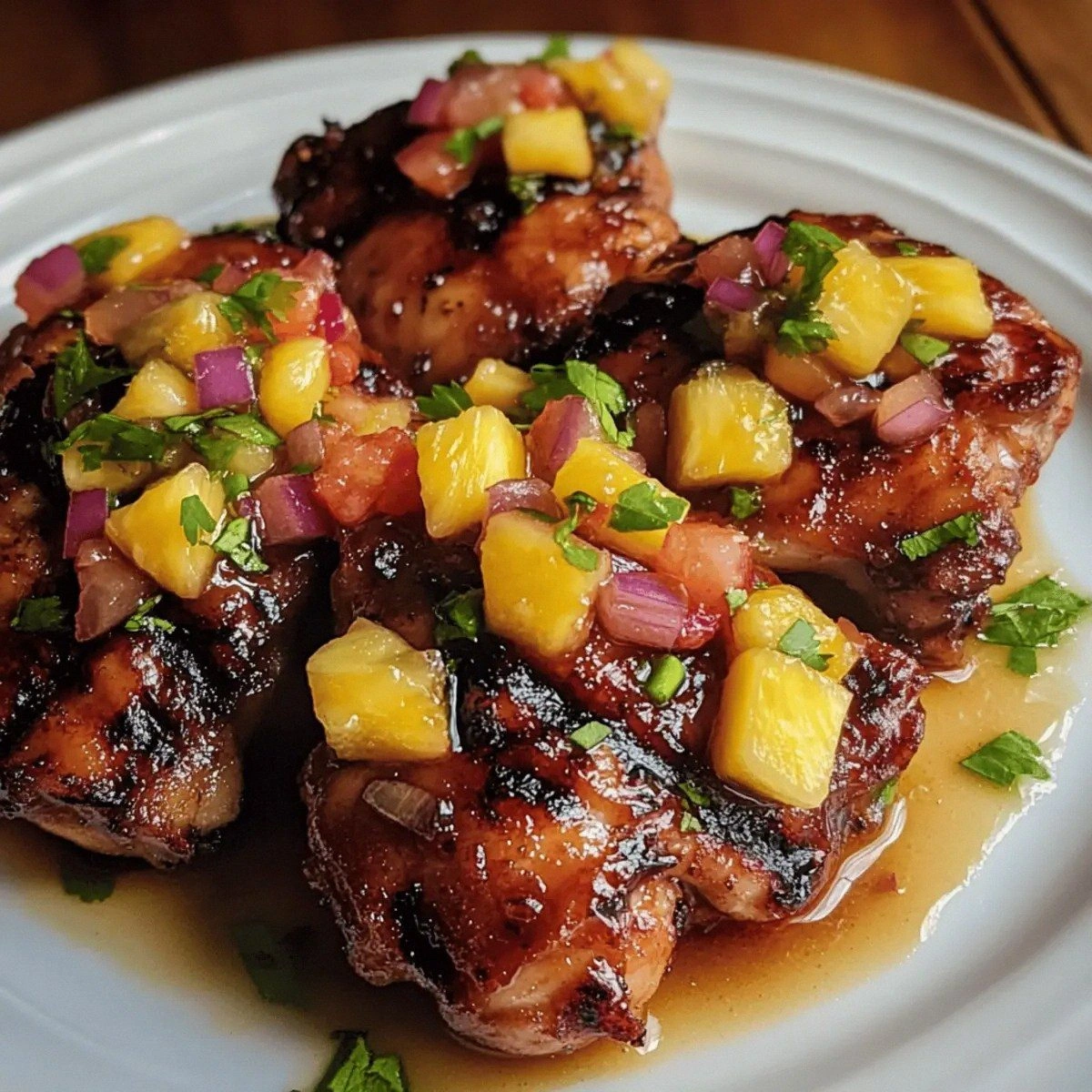
Picture yourself pulling these beauties from the oven, the whole kitchen smelling like a tropical paradise, and your friends’ eyes widening as they see the glossy, caramelized glaze. I dare you to taste this and not go back for seconds. I’ll be honest — I ate half the batch before anyone else got to try it. Most recipes get this completely wrong, focusing on the sauce but neglecting the meat’s texture. This version? It’s hands down the best you’ll ever make at home. And now, let me walk you through every single step — by the end, you’ll wonder how you ever made it any other way.
What Makes This Version Stand Out
- Flavor: The sauce balances umami, sweetness, and acidity, creating a complex profile that lingers on the palate. It’s not just sweet; the soy and vinegar provide depth that keeps each bite exciting.
- Texture: The thighs develop a caramelized crust while staying juicy inside, thanks to the cornstarch slurry that thickens the glaze. The result is a mouthfeel that feels both crispy and tender.
- Ingredient Quality: Fresh pineapple and hand‑picked cilantro add brightness that elevates the dish. Using bone‑in, skin‑on thighs gives a richer flavor and keeps the meat moist.
- Simplicity: Only a handful of pantry staples are required, and the cooking method is straightforward. You’ll finish in about 45 minutes.
- Make‑Ahead Potential: The sauce can be pre‑made and stored, and the thighs can be marinated ahead, saving you time on busy nights.
- Crowd Reaction: Guests will rave about the glossy glaze and the unexpected pop of pineapple salsa. It’s a conversation starter at any dinner.
Alright, let's break down exactly what goes into this masterpiece…
Inside the Ingredient List
The Flavor Base
The soy sauce and rice vinegar form the backbone of the sauce, delivering salty depth and bright acidity. The brown sugar sweetens the mix, creating a caramelization that locks in moisture. If you’re watching sodium, you can halve the soy sauce and replace it with low‑sodium soy or a soy alternative, but the flavor will shift slightly toward a lighter tone.
The Texture Crew
Cornstarch is the secret weapon that turns the sauce into a glossy, clingy glaze. Without it, the sauce would remain thin and runny, leaving the thighs soggy. A quick slurry of cornstarch and cold water activates the thickening power. If you don’t have cornstarch, arrowroot or potato starch works as a suitable substitute.
The Unexpected Star
Pineapple chunks are more than just a garnish; they bring a subtle sweetness and a juicy burst that cuts through the richness of the chicken. Fresh pineapple also contains bromelain, a natural enzyme that helps tenderize the meat. If you can’t find fresh pineapple, canned in juice (not syrup) will work, but drain it well to avoid excess liquid.
The Final Flourish
Cilantro, lime juice, and a dash of salt finish the dish with bright, herbal notes and a citrus zing. The cilantro adds a fresh herbal aroma that lifts the entire plate. Lime juice brightens the sauce, preventing it from feeling too sweet. If cilantro is not your favorite, parsley or basil can be used as a lighter alternative.
Everything's prepped? Good. Let's get into the real action…
The Method — Step by Step
- First, pat the chicken thighs dry with paper towels. This ensures the skin crisps up nicely instead of steaming. Season both sides with salt and pepper, then let them sit at room temperature for 10 minutes to absorb the seasoning.
- In a small bowl, whisk together soy sauce, brown sugar, rice vinegar, minced garlic, grated ginger, and sesame oil. The mixture should look glossy and the sugar should dissolve completely. If any clumps remain, give it a quick whisk; this prevents uneven glazing.
- Heat a large skillet over medium‑high heat and add a splash of oil. When the oil shimmers, place the thighs skin‑side down. You should hear a satisfying sizzle— that’s the sound of the skin beginning its transformation into a caramelized crust.
- Cook the thighs for 5–6 minutes on the skin side until the skin turns golden brown and releases easily from the pan. Flip them carefully, then reduce the heat to medium. This lower heat allows the chicken to cook through without burning the glaze.
- Pour the sauce mixture over the thighs, ensuring each piece is coated. Stir gently to combine. The sauce should begin to thicken almost immediately. If it doesn’t, you can add a splash of water to help the sugar dissolve.
- Whisk a slurry of cornstarch and cold water (1 tablespoon cornstarch to 2 tablespoons water). Add it to the pan, stirring until the sauce thickens to a glossy glaze that clings to the chicken. This step should take about 2 minutes; the glaze should coat the back of a spoon.
- Add the pineapple chunks, bell pepper, red onion, and jalapeño to the pan. Stir to combine, letting the veggies cook for 3 minutes until they soften but still retain a slight crunch. The jalapeño adds a subtle heat that balances the sweetness.
- Finish the dish with a splash of lime juice and a handful of chopped cilantro. Give everything a final stir, then remove the skillet from heat. The aroma at this point should be intoxicating—sweet, savory, and slightly citrusy.
- Let the chicken rest for 5 minutes before serving. This allows the juices to redistribute, ensuring every bite is as juicy as the first. Plate the thighs with a generous spoonful of the sauce and pineapple salsa on top.
That's it — you did it. But hold on, I've got a few more tricks that'll take this to another level…
Insider Tricks for Flawless Results
The Temperature Rule Nobody Follows
Many people cook teriyaki on high heat, which can burn the sugar before the chicken is cooked through. I always use medium‑high for the initial sear and then drop to medium for the sauce phase. This two‑stage approach guarantees a caramelized crust without sacrificing juiciness.
Why Your Nose Knows Best
Smell is a powerful indicator of doneness. When the sauce starts to bubble and the edges pull away from the pan, the chicken is ready. Trust that aromatic cue over the timer, especially if you’re new to skillet cooking.
The 5‑Minute Rest That Changes Everything
After removing the chicken from the skillet, let it rest on a cutting board for exactly five minutes. During this brief pause, the juices redistribute, making the meat more tender and the glaze more cohesive. A friend once skipped this step and ended up with dry, uneven bites.
Use Fresh vs. Canned Pineapple
Fresh pineapple gives a bright, tangy flavor and a juicy bite that canned pineapple can’t match. If you’re in a pinch, canned pineapple works, but be sure to drain it well and pat it dry to avoid excess liquid that dilutes the sauce.
Keep the Skin Intact
Leaving the skin on the thighs not only adds flavor but also helps retain moisture. The skin creates a barrier that keeps the meat juicy. If you prefer skinless chicken, use boneless thighs and adjust the cooking time to 4–5 minutes per side.
Creative Twists and Variations
This recipe is a playground. Here are some of my favorite ways to switch things up:
Spicy Sriracha Kick
Add a tablespoon of sriracha to the sauce for a fiery twist that pairs beautifully with the sweet pineapple. This version is perfect for those who like a bit of heat without overpowering the glaze.
Gluten‑Free Alternative
Use tamari instead of regular soy sauce and a gluten‑free cornstarch. The flavor remains the same, and the sauce thickens just as well, making it safe for gluten‑sensitive diners.
Smoky Chipotle Flavor
Replace the jalapeño with a teaspoon of chipotle powder. The smoky undertones elevate the dish into a new dimension, ideal for a backyard BBQ.
Herb‑Infused Variation
Swap cilantro for fresh basil or mint. The herbal note changes the finish, making the dish feel lighter and more refreshing.
Vegetarian Version
Use firm tofu or tempeh instead of chicken thighs. Marinate the protein in the sauce for 30 minutes before pan‑searing to absorb all the flavors.
Storing and Bringing It Back to Life
Fridge Storage
Store leftovers in an airtight container for up to 3 days. The sauce thickens when chilled, so stir it gently before reheating. Keep the chicken in a separate compartment to avoid sogginess.
Freezer Friendly
Freeze the dish in a freezer‑safe container for up to 2 months. When ready to eat, thaw overnight in the fridge. Reheat in a skillet over low heat, adding a splash of water to loosen the sauce.
Best Reheating Method
Reheat on the stove over medium-low, stirring frequently. Add a tablespoon of water or broth to restore the glaze’s silkiness. Finish with a sprinkle of fresh cilantro for a burst of color.