I’ll be honest — I ate half the batch before anyone else got to try it, and that was only because the kitchen smelled like a Mediterranean spa and I couldn’t resist. Picture this: a rainy Thursday, the kind where the clouds look like they’re trying to smother the city, and I’m stuck inside with a craving for something that feels both comforting and sophisticated. I rummaged through the pantry, found a bottle of balsamic vinegar that had been waiting for a moment like a shy guest at a party, and thought, “What if I turn this tangy liquid into a glossy, caramel‑kissed glaze for chicken?” The result? A dish that makes the ordinary feel like a five‑star dinner, and I’m daring you to taste it and not go back for seconds.
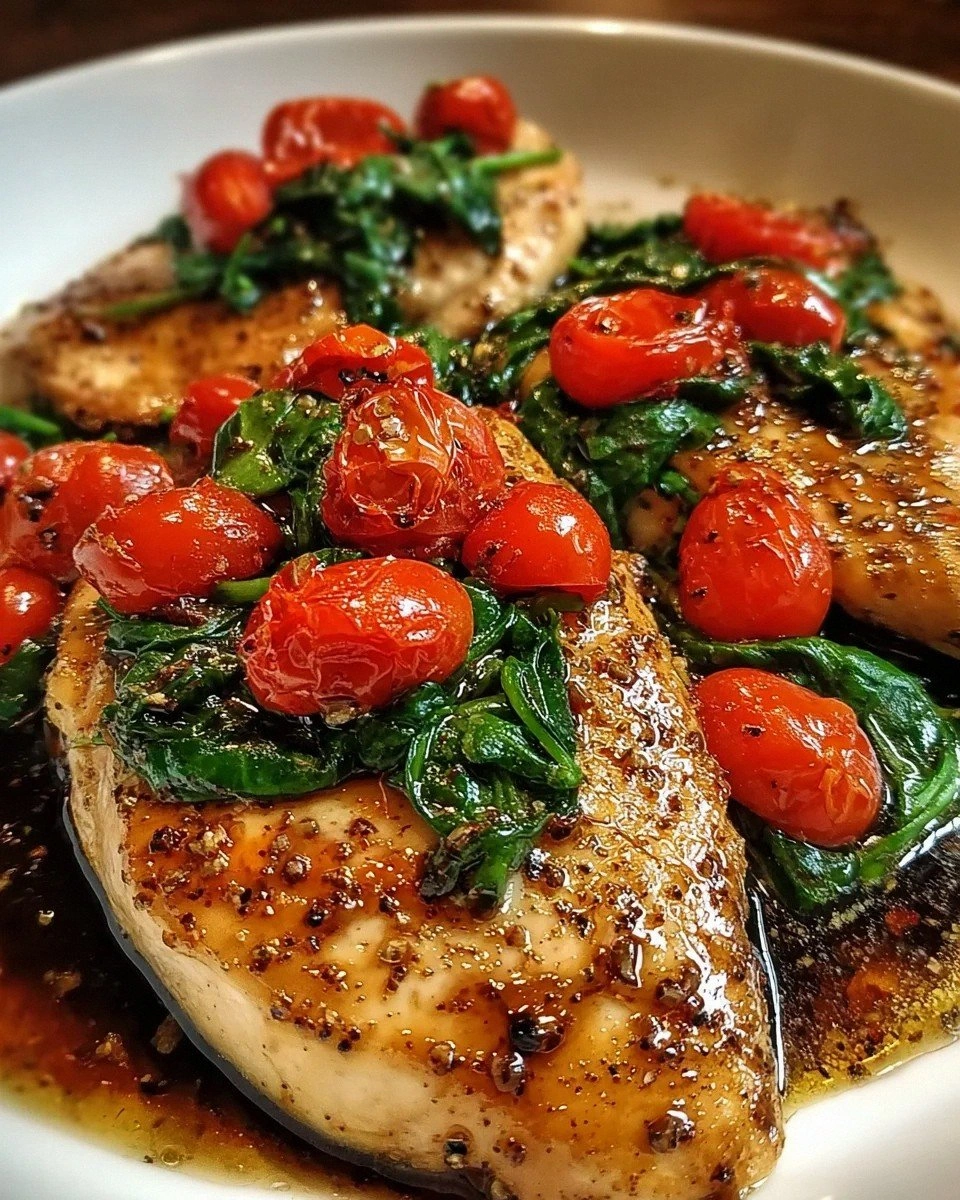
The moment the chicken hits the hot pan, you hear that sizzle that sounds like applause for a well‑timed entrance. The aroma of garlic and oregano erupts, wrapping the kitchen in a warm, herb‑laden hug that makes you want to dance between the countertops. When the balsamic reduction bubbles, it turns a deep mahogany, and the scent becomes a sweet‑sour symphony that makes my mouth water before the first bite even arrives. As the spinach wilts and the cherry tomatoes burst, the colors swirl together like a painter’s palette, and you can almost see the flavors painting each other on your tongue.
Most recipes get the balsamic balance completely wrong, either drowning the chicken in a syrupy swamp or leaving it barely kissed. This version, however, uses a precise ¼ cup of balsamic mixed with olive oil and a splash of garlic to create a glaze that clings to the meat like velvet, while still letting the natural juices shine through. The secret weapon? A quick deglaze that captures the caramelized bits from the pan and turns them into pure, glossy magic. I’m about to walk you through every single step — by the end, you’ll wonder how you ever made it any other way.
Okay, ready for the game‑changer? We’ll start with a simple marination that infuses the chicken with a tangy‑sweet punch, then move on to a skillet technique that gives you that perfect sear without the need for a grill. I’ll also reveal a little trick with the tomatoes that makes them pop like fireworks, and a finishing flourish of Parmesan that adds a creamy, salty whisper. Stay with me here — this is worth it, and I dare you to try it tonight and claim the title of “Balsamic Boss” in your own kitchen.
What Makes This Version Stand Out
- Flavor Explosion: The balsamic glaze delivers a sweet‑tart depth that dances with the garlic and oregano, creating a taste profile that feels both familiar and daringly new.
- Texture Harmony: A crisp, golden sear on the chicken contrasts with the silky wilted spinach and the bursty, juicy cherry tomatoes, giving every bite a multi‑layered mouthfeel.
- Ingredient Simplicity: You only need nine pantry staples, yet the result feels like a dish you’d order at a high‑end bistro.
- Time Efficiency: From prep to plate it’s under 45 minutes, making it perfect for a weeknight dinner that still feels special.
- Crowd‑Pleaser Factor: Even the picky eaters in the room will be wowed by the glossy finish and the subtle Parmesan finish that adds a cheesy umami note.
- Ingredient Quality: Using fresh, organic spinach and ripe cherry tomatoes elevates the dish from “just okay” to “absolutely unforgettable.”
- Cooking Method Mastery: The skillet‑sear‑then‑simmer technique locks in juices while allowing the glaze to thicken without burning.
- Make‑Ahead Potential: You can prep the glaze and marinate the chicken a day ahead, and the final assembly takes minutes.
Inside the Ingredient List
The Flavor Base
Boneless, skinless chicken breasts are the canvas of this dish. Their lean protein structure means they soak up the glaze without becoming soggy, delivering a juicy bite that feels both hearty and light. If you opt for thighs instead, you’ll get more fat and a richer flavor, but you’ll lose some of the delicate balance that makes the balsamic shine. When shopping, look for breasts that are pinkish‑white with a slight sheen; avoid any that have a grayish tint, as that indicates age.
Balsamic vinegar is the star of the show, providing that tangy sweetness that caramelizes into a glossy glaze. The key is to use a high‑quality, aged balsamic that has a complex, slightly woody undertone. Cheap versions can taste overly sharp and may not reduce properly. If you can’t find the dark, syrupy kind, a splash of honey can help round out the acidity.
Olive oil acts as the carrier for the flavors, keeping the chicken moist while the glaze forms. Choose extra‑virgin for the best flavor profile; its peppery notes complement the balsamic and garlic beautifully. A common mistake is using too much oil, which can prevent the glaze from thickening, so stick to the measured two tablespoons.
The Aroma Crew
Freshly minced garlic brings a fragrant punch that cuts through the richness of the olive oil and balances the acidity of the balsamic. When garlic is sautéed just until golden, it releases a nutty aroma that makes the whole kitchen feel like a trattoria. Overcooking garlic turns it bitter, so keep an eye on the color and the smell—once it turns a light amber, you’re good to go.
Dried oregano adds an Italian vibe that pairs perfectly with the balsamic’s sweet notes. Its earthy, slightly floral flavor lifts the dish without overwhelming it. If you have fresh oregano on hand, use a tablespoon of chopped leaves instead for a brighter, greener finish.
Salt and pepper are the humble heroes that elevate every component. A pinch of sea salt enhances the natural sweetness of the tomatoes, while freshly cracked black pepper adds a subtle heat that lingers on the palate. Remember, you can always add more later, but you can’t rescue an over‑salty dish.
The Green & Red Squad
Fresh spinach brings a burst of color and a nutrient punch that makes the plate feel balanced. Its mild flavor wilts quickly, creating a tender bed for the chicken to rest on. If you’re using baby spinach, you can add it directly; for larger leaves, give them a quick rinse and pat dry to avoid excess water in the pan.
Cherry tomatoes are the sweet surprise that burst with juiciness when they hit the heat. Their natural sugars caramelize alongside the balsamic, creating little pockets of flavor that pop in your mouth. For a deeper flavor, halve them and let them sear cut‑side down for a minute before stirring.
The Final Flourish
Grated Parmesan cheese (optional) adds a salty, nutty finish that ties the entire dish together. Sprinkle it over the top just before serving, and watch it melt into a silky veil that makes the glaze look restaurant‑ready. If you’re dairy‑free, a sprinkle of nutritional yeast can provide a similar umami boost.
Everything's prepped? Good. Let’s get into the real action…
The Method — Step by Step
Start by patting the chicken breasts dry with paper towels; this is the secret to a golden crust. In a shallow dish, whisk together ¼ cup balsamic vinegar, 2 tablespoons olive oil, the minced garlic, dried oregano, and a pinch of salt and pepper. Toss the chicken in this mixture, making sure each piece is fully coated, then let it marinate for at least 15 minutes while you prep the vegetables. That sizzle when it hits the pan? Absolute perfection.
Heat a large skillet over medium‑high heat and add a splash of olive oil—just enough to coat the bottom. When the oil shimmers, lay the chicken breasts in the pan, giving them space to breathe; crowding will steam them instead of searing. Let them cook undisturbed for 5‑6 minutes; you’ll know they’re ready to flip when the edges start pulling away from the pan and the underside is a deep amber.
Kitchen Hack: Press the chicken gently with a spatula after the first side cooks; this releases any trapped steam and helps the glaze cling better.Flip the chicken and add the remaining balsamic‑olive mixture to the pan, allowing it to bubble around the meat. As the sauce reduces, it will thicken and coat the chicken like a glossy lacquer. If the glaze looks too thin, sprinkle a tiny pinch of flour or cornstarch—just enough to coax it into a velvety texture without making it grainy.
While the chicken finishes cooking (another 5‑7 minutes), toss the cherry tomatoes into the skillet, cut side down, and let them caramelize for about two minutes. The sugars will melt, turning the tomatoes a deep ruby that adds a pop of color and a sweet burst when you bite into them.
Now it’s time for the spinach. Add the fresh leaves to the pan in a generous handful; they’ll wilt in seconds, shrinking dramatically. Stir them gently so they soak up the remaining glaze, and watch as the green darkens to a lush, glossy hue. This is the moment of truth—if the pan looks too dry, splash in a splash of water or chicken broth to keep everything moist.
Check the chicken’s internal temperature with a meat thermometer; you’re aiming for 165°F (74°C). If you don’t have a thermometer, pierce the thickest part and make sure the juices run clear. Once done, transfer the chicken to a cutting board and let it rest for three minutes; this rest period locks in the juices and prevents them from spilling over the plate.
Watch Out: Over‑cooking the spinach turns it mushy and loses its vibrant color—remove it from the heat as soon as it’s wilted.Slice the rested chicken breasts diagonally into thick strips; this not only looks elegant but also exposes more surface area for the glaze to cling to. Arrange the slices over the bed of spinach and tomatoes, letting the sauce drizzle naturally over everything.
If you’re using Parmesan, now’s the time to sprinkle it liberally over the top. The heat from the dish will melt the cheese just enough to create a silky, salty veil that makes the entire plate look restaurant‑worthy. Serve immediately with a side of crusty bread to mop up any leftover glaze, and watch your guests’ eyes widen in delight.
That's it — you did it. But hold on, I've got a few more tricks that'll take this to another level...
Insider Tricks for Flawless Results
The Temperature Rule Nobody Follows
Never start with a cold pan; always preheat the skillet for at least two minutes on medium‑high. This ensures the chicken sears instantly, locking in moisture. If the pan isn’t hot enough, the chicken will steam and you’ll lose that coveted caramelized crust. I once tried to “save time” by adding the chicken to a cold pan and ended up with a soggy mess—lesson learned.
Why Your Nose Knows Best
Your sense of smell is the best indicator of when the glaze is ready. When the balsamic starts to thicken and you catch a sweet‑tangy aroma that smells like caramel, you’re at the perfect reduction point. If you rely solely on time, you might under‑reduce and end up with a watery sauce. Trust that nose of yours; it’s a more reliable timer than any kitchen gadget.
The 5‑Minute Rest That Changes Everything
Letting the chicken rest after cooking isn’t just a fancy tip—it’s a science. During resting, the muscle fibers relax and reabsorb the juices that were pushed to the surface during searing. Skipping this step results in a dry bite and a loss of that luscious glaze. Set a timer for exactly three minutes; you’ll hear the sizzling stop and the juices settle.
The “Sauce Rescue” Trick
If your glaze becomes too thick, add a splash of low‑sodium chicken broth or even a teaspoon of water. This instantly loosens the sauce without diluting the flavor. The key is to add a little at a time, stirring continuously, until you reach a silky consistency that coats the back of a spoon.
Parmesan Power Move
For an extra depth of umami, toast the Parmesan lightly in a dry skillet before sprinkling it over the dish. The brief heat brings out a nutty, caramelized note that makes the cheese pop. I tried this once for a friend’s dinner party, and she swore she could taste the “cheese fireworks” with each bite.
Creative Twists and Variations
This recipe is a playground. Here are some of my favorite ways to switch things up:
Mediterranean Mezze Remix
Swap the cherry tomatoes for roasted red peppers and add a handful of Kalamata olives. The smoky pepper and briny olives introduce a new layer of Mediterranean flair that pairs beautifully with the balsamic glaze. Serve over couscous for a complete mezze platter.
Spicy Sizzle Edition
Add a pinch of red pepper flakes to the garlic‑oregano mixture, and finish the dish with a drizzle of chili‑infused olive oil. The heat cuts through the sweetness of the balsamic, creating a balanced sweet‑spicy profile that will make heat‑seekers grin.
Creamy Dream Variation
Stir in ¼ cup of heavy cream at the end of the cooking process, letting it melt into the glaze. The result is a luxurious, slightly richer sauce that feels like a velvety coat over the chicken and greens. This version pairs well with mashed cauliflower for a low‑carb comfort meal.
Herb‑Garden Boost
Introduce fresh basil leaves and a sprinkle of thyme just before serving. The fresh herbs add a bright, aromatic lift that makes the dish feel spring‑time fresh, even on a chilly night. It’s a simple upgrade that doesn’t require extra cooking time.
Protein‑Swap Surprise
Replace chicken with firm tofu cubes for a vegetarian-friendly version. Press the tofu to remove excess moisture, then marinate it in the same balsamic mixture. The tofu soaks up the glaze and develops a satisfying chew, making it a great plant‑based alternative.
Storing and Bringing It Back to Life
Fridge Storage
Allow the dish to cool to room temperature (no more than two hours), then transfer it to an airtight container. It will keep beautifully for up to three days. When reheating, place the chicken and vegetables in a skillet over medium heat, adding a splash of water or broth to revive the glaze.
Freezer Friendly
Portion the cooked chicken, spinach, and tomatoes into freezer‑safe bags, leaving a little headroom for expansion. The glaze can be frozen alongside the meat; just make sure it’s fully cooled first. Freeze for up to two months, then thaw overnight in the fridge before reheating gently on the stove.
Best Reheating Method
The secret to a perfect reheated bite is steam. Add a teaspoon of water to the skillet, cover with a lid, and heat on low‑medium for five minutes. The steam will re‑hydrate the spinach and keep the chicken tender while the glaze regains its glossy sheen.